Filming in Annapurna is not only about capturing the gorgeous mountain backgrounds, but also a tedious, fruitful exploration. It is one of the most culturally and geographically diverse regions in the Himalayas. Filming in Annapurna provides uncivilized images and substantial accounts, regardless of whether you are creating a documentary about nature, cultural features, or human interest. However, this area requires planning, domestic knowledge, and an admiration of its ecological and cultural environment.
This article will give you the details of what filmmakers should know before they enter the field, such as permits, equipment, logistics, and storytelling for filming in Annapurna.
Why Annapurna Is a Goldmine for Documentary
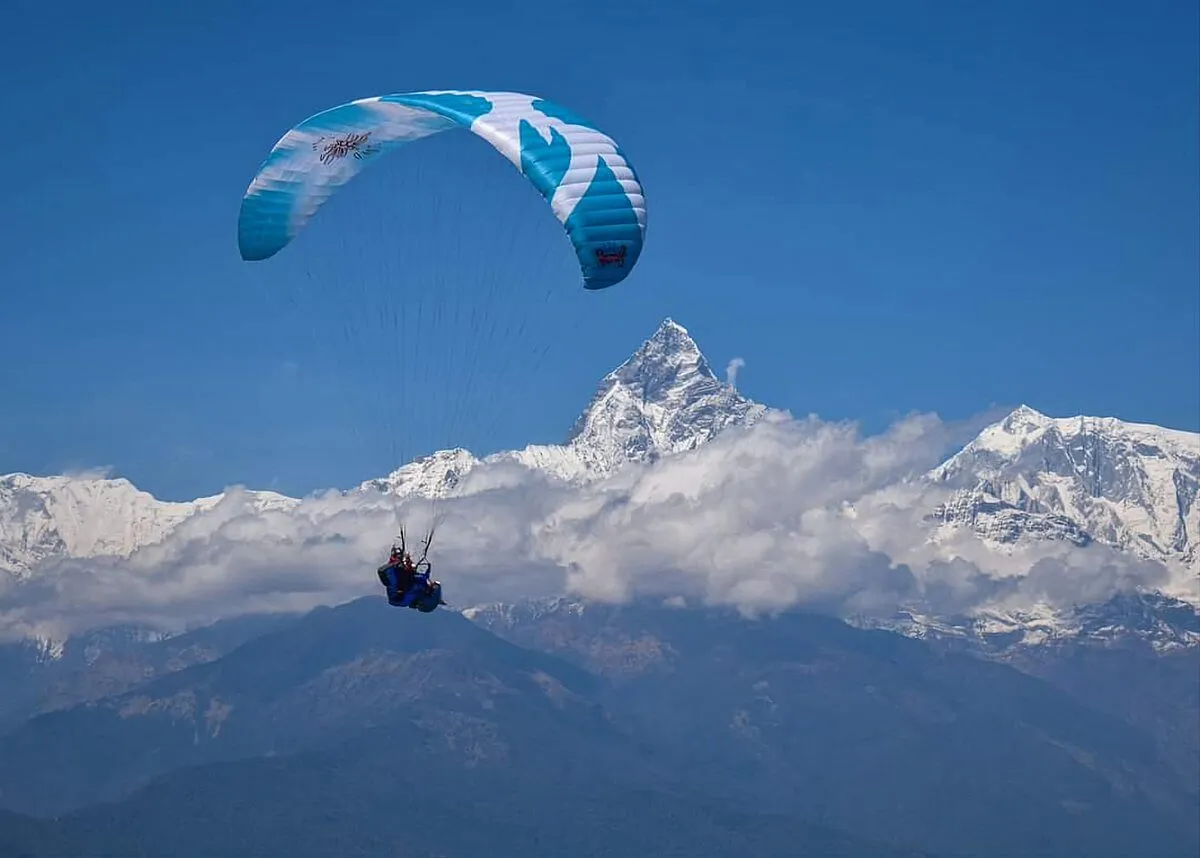
The area lies in central Nepal and is located in the Annapurna Conservation Area, which is the largest among all the conservation areas in Nepal. It is covered with tropical forests, alpine meadows, glaciers, and high-altitude deserts and covers a range of 790 meters up to more than 8,000 meters, making filming in Annapurna a visually rich endeavor.
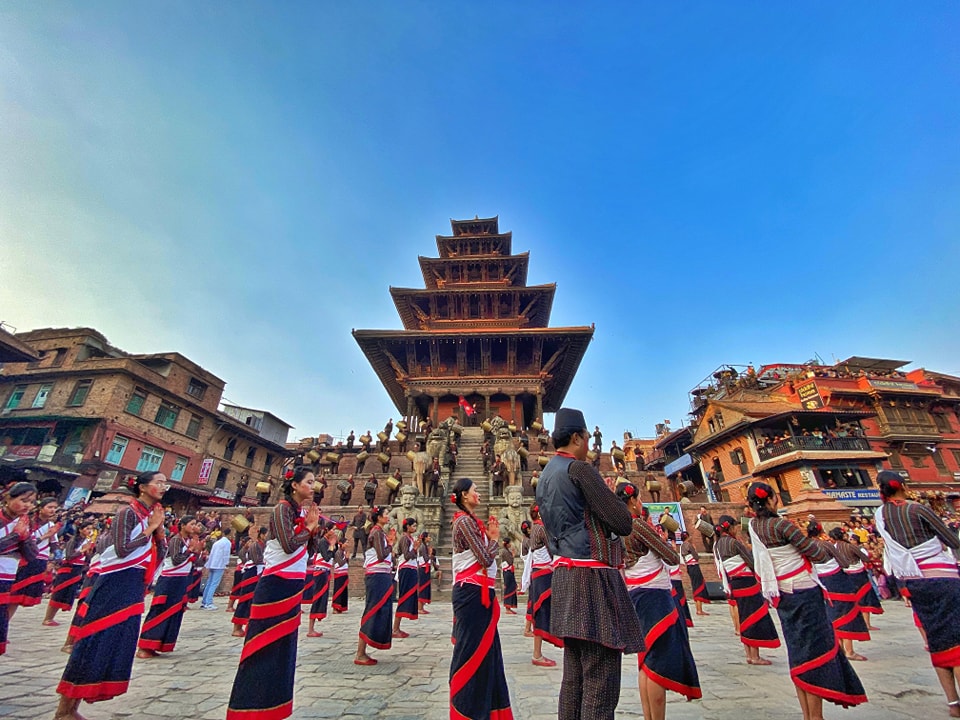
Besides the terrain, ethnic groups such as the Gurung, Thakali, and Manangi can also be found in Annapurna. These individuals dwell in the olden-time villages, carry out prehistoric rituals, and are closely associated with nature. For filmmakers, filming in Annapurna is a rare chance to preserve real Himalayan life, which, in most aspects, has not been spoiled by commercialization.
You’ll find:
- Conventional houses made using stone and mud.
- Prayer flags around ancient monasteries.
- Farmers who are on steep terrace hills.
- Trekkers, monks, and merchants on the same path.
Legal Permits and Requirements
Filming in Annapurna needs adequate legal clearance from the national and local authorities. When you step into Nepal, you will be bound by the laws of Nepal, so better to take the permit for filming, so that you don’t face any issues.
Here’s what you’ll need:
- Ministry of Information and Communication Filming Permit. Apply early (at least 3-4 weeks). You will need to provide a script, project outline, crew list, and details of your planned locations.
- Annapurna Conservation Area Permit (ACAP). Necessary for any business in the conservation area. This helps finance environmental conservation and community development.
- TIMS(Trekkers’ Information Management System)Card. This is needed even in cases where you are not trekking, but you need to move through the region.
- Civil Aviation Authority of Nepal (CAAN) Drone Permit. There is tight control over the use of drones. You will require flight plans, drone specifications, and a qualified operator.
The Season to Shoot in Annapurna
Annapurna is in a very high altitude area, so as a filmmaker, you need proper planning of the season as well. Here are the details of which month or season might be perfect for you according to your movie script:
- Autumn (September-November): Clear skies, crystal-clear visibility, dry trails. This is the high trekking season, and thus, villages might be more active.
- Spring (March-May): Rhododendron forests are in blossom, and snow is still present on the mountains. An excellent season of color and local holidays.
- Winter (December-February): Fewer people, though trails at higher altitudes may be covered with snow.
- Monsoon (June-August): There is heavy rainfall, landslides, and poor visibility. Not recommended for filming.
Logistics and Crew Planning
The terrain is tough. Electricity is limited. Altitude is real. Every decision matters when filming in Annapurna.
Recommended Crew Size:
Keep it small – 3 to 5 people. This saves on weight and makes traveling easy. As a filmmaker, you will have a lot of things to carry, so a porter will be a great choice for your logistics.
Power and Data:
Certain villages have solar charging stations. Bring along large power banks, solar chargers, and SSD drives. Suppose there will be no internet to upload or use cloud backups.
Gear Suggestions:
- Mirrorless or compact film cameras (weather-sealed)
- Image stabilization lenses.
- Lightweight tripods
- Wireless wind-shielded audio.
- Drones that have additional batteries and propellers.
- Protective rain and dust dry bags.
Narratives and Cultural Sensitivity
Filming in Annapurna does not need technical expertise alone. It requires trust. The majority of communities are accommodating yet demand respect.
- Never shoot people without permission.
- Wear simple clothes and take off shoes when going to houses or monasteries.
- Get to know some basic Nepali greetings; even minor attempts are significant.
- Provide an opportunity to present the final video.
Health and Safety
Anyone above 2,500 meters can get altitude sickness. So, don’t rush and take time to acclimate. Bring water purifying pills, simple first-aid kits, and medication against altitude and digestion problems. Every crewmember must be insured with helicopter evacuation – a very important backup in the event of an emergency when filming in Annapurna.
Why Choose Documentary Film Nepal?
As everyone knows, making a film in Annapurna is not everyone’s cup of tea; a filmmaker needs tough planning and should have a detailed idea of the Annapurna Area. So, to make it easy, and to help with everything from logistics to the gear equipment, and from fixers to the post production, Documentary Film Nepal comes in. The main motive of Documentary Film Nepal is very simple- to provide the best results at a very affordable cost. So, when planning a documentary in any Himalayan area, the best choice for you would be the Documentary Film Nepal.
Final Thoughts
Filming in Annapurna is a challenge of patience, ability, and endurance; however, the compensation is beyond any measure. Planning, respect as a local, and flexibility in creativity will make you come back not only with a movie, but also with a documentary that was influenced by one of the strongest landscapes on our planet.
It is not only beautiful images that Annapurna offers you, but the sense as well, whether it is the ancient customs, contemporary issues, or the silent elegance of mountain living. And that is what makes filming in Annapurna a story to live.