Introduction
For filmmakers, Nepal is a gold mine with unique natural beauty and cultural variety. But because of geography, culture, and access, documentary Nepal East West presents different experiences. Adventure and mountaineering films find East Nepal, home of Sherpa culture and Everest, perfect. West Nepal fits exploratory and cultural projects with its unspoiled wilderness and indigenous Tharu and Magar villages. This guide aids in selecting the ideal site for the demands of storytelling.
East Nepal: A Combining of Cultural Richness and Himalayan Majesty
Important Attributes
1. Landscape and Geography
Filming paradise East Nepal boasts the highest mountains in the world, including Kanchenjunga and Everest. From verdant alpine meadows to rocky glacial valleys, the area’s stunning landscape provides ideal backgrounds for nature and adventure films. Important filming sites are Koshi Tappu Wildlife Reserve, home of threatened species, including snow leopards and red pandas, and Sagarmatha National Park, a UNESCO World Heritage Site. Unmatched visual possibilities abound in the dramatic Himalayan settings, challenging directors with high altitudes and erratic weather conditions.
2. Variations in Culture
Dominating East Nepal, the Sherpa and Rai populations offer rich cultural narratives for documentarians. Their customs, vibrant celebrations like Mani Rimdu, and adaptations of mountaineering tourism tell interesting stories. While local towns highlight sustainable mountain living and traditional artistry, sacred Buddhist sites like Tengboche Monastery give movies spiritual depth. Filmmakers should consider the careful balance between safeguarding these civilizations and the effects of growing travel to the area.
3. Logistics and Accessibility
Lukla Airport makes East Nepal more easily reachable than Western areas; still filming presents logistical challenges. Remote locations call for long-distance trekking using specialist equipment porters. Essential permits for national parks and restricted areas must be obtained, often requiring weeks of planning. Crews should get ready for basic lodging, limited power, and altitude challenges. Navigating the physical terrain and cultural sensitivities, as well as recording the stories of this amazing area, depends on hiring seasoned local guides.
East Nepal has a lot of chances for filmmakers since its varied landscapes and cultures fit the ideal setting for several documentary styles. The Himalayan mountains, including Mount Everest and Kanchenjung, offer exciting images and tales of human endurance for adventure and mountaineering documentaries. National parks like Sagarmatha and Koshi Tappu bring wildlife and conservation stories to life where rare species, including snow leopards, red pandas, and migratory birds, flourish. Nepal is also a filmmaker’s dream location because of the rich customs of the Sherpa and Rai people, which offer fascinating cultural narratives highlighting their own lives, celebrations, and spiritual practices.
West Nepal: Untouched Wilderness and Hidden Cultures
Key features:
1. Landscapes and Geography
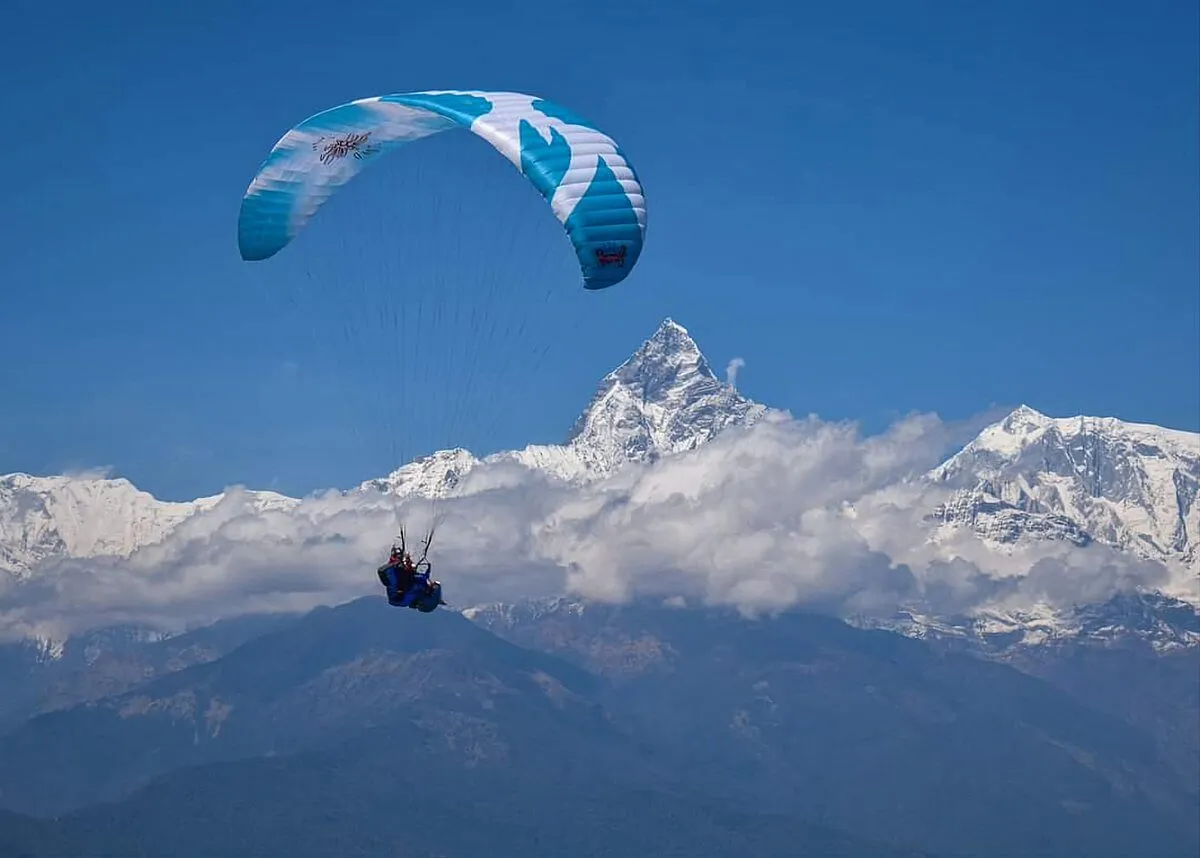
From the Annapurna and Dhaulagiri ranges to the peaceful waters of Rara Lake, West Nepal boasts some of the most dramatic and unspoiled settings in the Himalayas. The area’s isolation has maintained its unspoiled beauty, providing directors with amazing backdrops of snow-capped mountains, deep river gorges, and thick forests full of rare species including red pandas and Bengal tigers. With its large grasslands and meandering rivers, Bardia National Park offers unmatched chances to record efforts at preservation and flourishing ecosystems. For adventure movies and nature documentaries, these unspoiled surroundings make West Nepal a dream site.
2. Cultural Variety
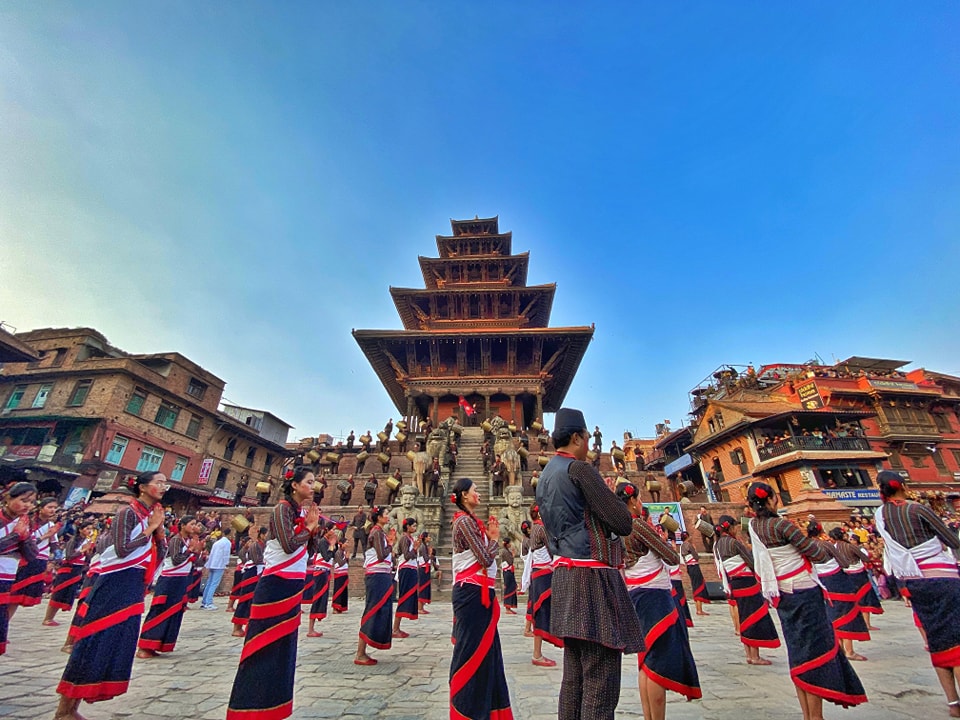
Because of their remoteness, West Nepal is home to energetic indigenous groups like the Tharu and Magar, whose customs have remained mostly unaltered. Renowned for their complex stick dances and environmentally friendly farming methods, the Tharu people provide a window into harmonic coexistence with the surroundings. The Magar people in the hills, in the meantime, retain age-old shamanic ceremonies and handicaps. Directors can record real celebrations, daily life in terraced fields, and oral histories handed down through the years.
3. Availability and Logistics
Filming in West Nepal presents operational difficulties, limited power, small mountain roads, and few lodging options that call for thorough planning. Remote places like Upper Dolpo call for experienced local guides and specific licenses to negotiate high-altitude paths and erratic weather. Crews should pack emergency supplies, solar-powered batteries, and lightweight, robust tools. Although the lack of infrastructure guarantees exclusive access to stories off the usual path, it also increases complexity. Arranging transportation, obtaining licenses, and overcoming language barriers all depend on working with local fixers to transform challenges into chances for unique storytelling.
Raw, untapped stories ideal for adventurous filmmakers abound in West Nepal. Old salt trade routes, the far-off Humla and Dolpo areas, and amazing high-altitude scenery. Filming here calls for careful planning because of limited roads, severe weather, and inadequate facilities. Pack warm clothes, solar chargers, and lightweight tools. Always employ local guides who can assist in communication with remote villages and know mountain paths. The difficult circumstances reward directors with rare footage of snow leopards, medieval Buddhist communities, and customs unbroken by modernism. Spend time developing trust with shepherds and monks before capturing their daily lives for true stories. Record the effects of climate change on glacial lakes or explain how yak caravans preserve centuries-old trade routes.
At documentary Nepal East West, we carefully match the demands of each project with regional reality to assist directors in selecting appropriate filming sites all around Nepal. From the first research to the last logistics, our team guides you through the whole process to guarantee your documentary is produced seamlessly within your means. While considering pragmatic elements like team size and equipment needs, we streamline difficult decisions by comparing the accessibility, cultural possibilities, and filming conditions of several areas. Having years of expertise negotiating Nepal’s varied landscapes and communities, we link you with reliable local partners and offer clear guidance on permits, seasons, and cultural issues.
Comparative Analysis of documentary Nepal East West
For directors deciding between Nepal’s eastern and western areas, each presents different opportunities and difficulties. Anchored by Everest and the Solu-Khumbu, East Nepal offers rather better infrastructure, including Lukla’s airport and classic Himalayan images. Accessible tales about mountaineering travel and Buddhist practices abound from the well-traveled trekking paths and Sherpa customs. In its isolated valleys and Tibetan-influenced cultures, West Nepal which includes Dolpo, Humla, and Rara—demanding more self-sufficiency due to limited roads and facilities offers raw, undiscovered stories. Although both areas have difficulties with altitude, climate, and cultural sensitivity, they also show Nepal’s amazing diversity for films.
Advice for Filmmakers
1. Prepare Ahead
Research laws, topography, and cultural customs of your selected area before shooting in Nepal. Get all required licenses, including those from local authorities and the Nepal Film Development Board, to stay out of legal hot ground. Hiring seasoned local fixers or guides guarantees better logistics since they know regional issues, language difficulties, and administrative procedures. Good preparation reduces delays and keeps your team compliant with local laws while gathering real-time video.
2. Honor Local Traditions
Before filming people, religious events, or private property, always get permission to prevent upsetting communities. Consider cultural sensitivity, including dress codes in holy sites or limitations on capturing specific ceremonies. Establishing trust with residents results in a more honest narrative and helps to avoid problems. While preserving ethical filmmaking standards, a polite approach guarantees cooperation and access to deeper stories.
3. Get ready for tests.
Western Nepal’s far distances and Eastern Nepal’s high altitudes call for careful planning. Proper acclimatization and packing durable, lightweight equipment fit for demanding conditions can prevent altitude sickness. In rural areas, where electricity is erratic, backup power sources, including solar chargers, are also recommended. Filmmakers also need backup transportation ideas.
4. Record Individual Stories
Emphasize underappreciated stories, including grassroots inventions, impacts of climate change, and Indigenous preservation initiatives. Local voices and less-known problems give your documentary more complexity and distinguish it from more conventional travel films. Work with local people to guarantee a real portrayal; investigate subjects like cultural preservation or sustainable travel for an engaging narrative.
Conclusion
Filmmakers have unique chances in documentary Nepal East West to take best images and gripping narratives. East Nepal is perfect for adventure and Sherpa culture, but the unspoiled wilderness and indigenous customs of West Nepal offer a distinctive background for exploratory films. Knowing every area’s unique qualities helps directors choose the ideal site to realize their ideas.