You probably have an idea of what it’s like to film in Nepal. It could be the sunrise over Everest or the monks in red robes in a quiet monastery. But before you even pack your camera bag, you hit a wall. Before the cameras start rolling, you need someone who knows the land to do the hard work and get professional documentary research services in Nepal. That wall is usually made of paperwork, language barriers, and rules that are hard to understand. This is why you can’t just guess.
Documentary research services in Nepal provide the essential groundwork for filmmakers, from securing complex permits to uncovering hidden archival stories. By combining local expertise with rigorous fact-checking, these services ensure your production is culturally accurate, legally compliant, and logistically sound, allowing you to focus purely on storytelling.
We make sure your story has a strong base at Documentary Film Nepal. We don’t just find a place to film; we also find out the truth behind the story.
Understanding Why You Need a Fixer in Nepal
If you try to navigate this country alone, you are going to get stuck. A film fixer in Nepal is basically your brain, your ears, and your shield. Nepal is a place built on relationships. You can’t just walk into a temple and start filming because you have a permit. You need to talk to the local priest, the community leaders, and the neighbors. A fixer knows how to have those conversations so you don’t get shut down five minutes into your shoot.
This matters because the best stories aren’t sitting on the surface. They are hidden in the backstreets and small villages. Without a local expert helping with your documentary research services in Nepal, you will only see what every other tourist sees. To get the deep, meaningful content that makes a documentary great, you need that local bridge.
1. Finding the Old Stories Through Archive Research Kathmandu
A lot of the history here isn’t on the internet. It is in dusty rooms and private collections. When we do archive research Kathmandu for a project, we are looking for things like:
- Old news footage from the royal era.
- Handwritten journals from mountain climbers in the 1950s.
- Photos of heritage sites before the big earthquakes.
- Recordings of folk songs that aren’t played on the radio anymore.
We spend days in libraries and private homes to find these gems. This kind of deep digging is a core part of our documentary research services in Nepal. It gives your film a layer of history that makes it feel much more professional and grounded.
2. Getting the Right Look with Location Scouting in Nepal
Nepal has everything from jungles to high-altitude deserts. But getting to those places isn’t always easy. Location scouting in Nepal means checking if a road is actually open or if a village has enough power to charge your batteries. We don’t just send you a photo from 2018. We go there. We check the light. We talk to the people who live there to see if they are okay with a film crew moving in for a week.
We look at things like:
- The exact time the sun hits the valley floor.
- How many hours it takes to trek to a specific viewpoint.
- Where the nearest medical help is if someone gets altitude sickness.
- The noise levels from nearby construction or rivers.
3. Knowing the Costs and the Clock
Money and time are the two things that kill documentaries. In our experience with documentary research services in Nepal, we’ve seen crews arrive without a realistic plan. You need to know that a trip to the mountains isn’t just a flight; it’s a weather-dependent gamble.
- Budget at least $200 a day for a solid researcher during the pre-production phase.
- Allow at least 14 days to find and vet your local characters.
- Remember that flying a drone requires an extra $500 to $1,000 in various hidden fees and local permissions depending on where you fly.
4. An Expert Tip: Don’t Over-Schedule Your Days
Here is something we tell every director: Nepal runs on mountain time. If you plan a shoot where every minute is accounted for, you will fail. We recommend leaving 20% of your time for things to go wrong—or for something amazing to happen.
Our experience shows that the most beautiful moments in a film often happen when the plan breaks. Maybe a festival starts unexpectedly, or an interview subject invites you to their home for dinner. If you are too busy following a strict script, you will miss the real visual storytelling Nepal has to offer. Be flexible.
How to Handle Filming Permits in Nepal
The paperwork is the part everyone hates, but it’s the most important. If you don’t have the right filming permits in Nepal, the police can stop your shoot and take your gear. It isn’t just one permit, either. It’s a chain of permissions.
- Start with the Ministry of Information and Communication for your national permit.
- Get a No Objection letter from the local district office.
- Pay the fees for National Parks if you are heading into the mountains.
- Check with the Department of Archaeology if you are filming near temples.
- Make sure your customs papers (MTA) are perfect so your cameras don’t get stuck at the airport for a week.
We handle this whole process as part of our documentary research services in Nepal. We know which office is on the third floor and which official likes to drink their tea early. It’s about knowing the system so you don’t have to learn it the hard way.
Why Cultural Nuance is the Key to Visual Storytelling
You can have the best 8K camera in the world, but if you don’t understand the culture, your film will feel off. Nepal is a patchwork of different ethnic groups, languages, and religions. What is okay in Kathmandu might be disrespectful in a Sherpa village.
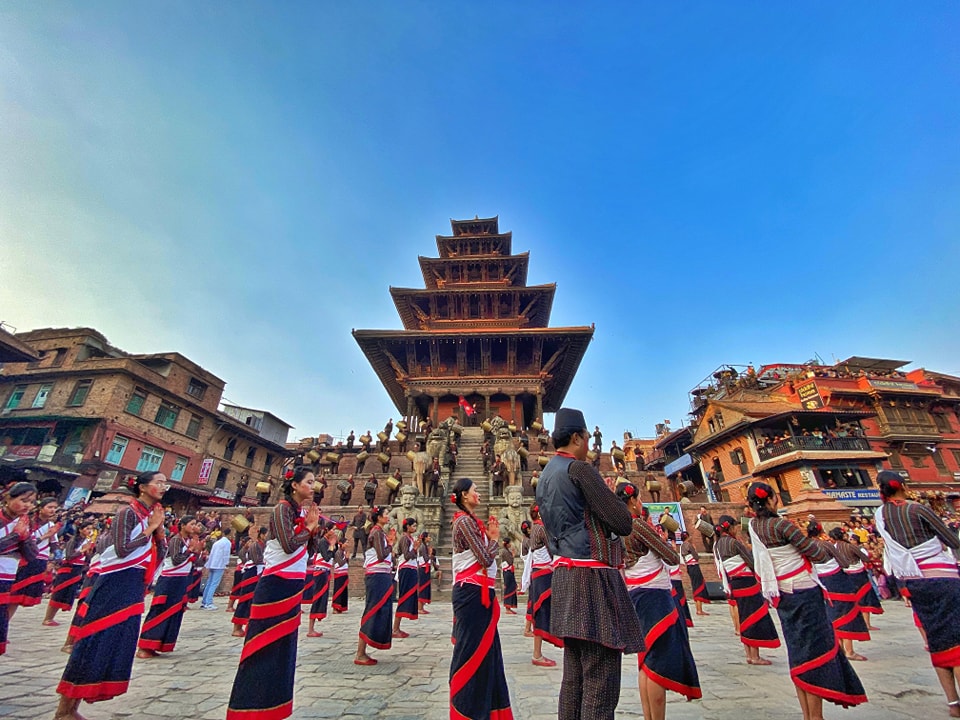
Nepal’s visual storytelling is more than just pretty pictures. We mean to show the people their dignity. This is why we offer cultural briefings as part of our documentary research services in Nepal. We tell you when to put the camera down, how to dress, and how to say hello. People here are very nice, but they also care about their privacy and their customs. They will be more open with you than you thought possible if you treat them with respect. This is what makes a documentary feel real instead of like a news story.
Frequently Asked Questions About Documentary Research Services in Nepal
How much do documentary research services in Nepal cost?
It usually depends on how deep you want to go. For a standard project, expect to pay between $150 and $300 per day for a researcher. This covers the time spent calling people, visiting sites, and translating documents. It saves you thousands in the long run because you won’t waste days on the shoot trying to find things that aren’t there.
How do I get the archive research in Kathmandu done remotely?
You can’t really do it from your home country. Many records in Nepal are physical and not on the internet. We go to the archives for you, take photos of relevant documents, and translate them into English. This helps you write your script and plan your interviews before you even buy a plane ticket.
Is it hard to get filming permits in Nepal for drones?
Yes, it is much harder than it used to be. You need permission from the Civil Aviation Authority and the Ministry of Home Affairs. It can take 3 to 4 weeks to get all the stamps. We suggest starting this as soon as possible so you don’t have to leave your drone in a locker at the airport.
Conclusion: Next Steps for Your Project
Every day in Nepal, amazing things happen, but it’s hard to film there if you’re not ready. You need more than just a camera; you need a base. Using professional documentary research services in Nepal will help you make sure that your production is safe, legal, and really connected to the culture there. We take care of the hard parts in the background so you can focus on being a filmmaker.
Don’t wait until you get to Kathmandu to start making plans. Contact Documentary Film Nepal right away. Let’s talk about your vision and how our documentary research services in Nepal can help you make it a reality in the most real way possible.