Introduction
Nepal is well known for its jaw-dropping landscapes, Himalayan peaks, and UNESCO heritage sites. Which make it one of the top destinations for foreign filmmakers to shoot their projects and make their next film. With trending buzz around filming permits, drone regulations, and cultural sensitivity, navigating Nepal’s skies isn’t a free-for-all. The Civil Aviation Authority of Nepal (CAAN) has rolled out updated drone laws in current times to keep aerial cinematography safe and respectful. Whether you’re a documentary filmmaker eyeing Everest or a travel vlogger scoping Kathmandu, this guide breaks down the latest drone permits in Nepal simply. Get ready to dodge penalties, snag stunning footage, and master Nepal film logistics like an experienced one.
Why Drone Rules Are a Trending Topic for Foreign Filmmakers?
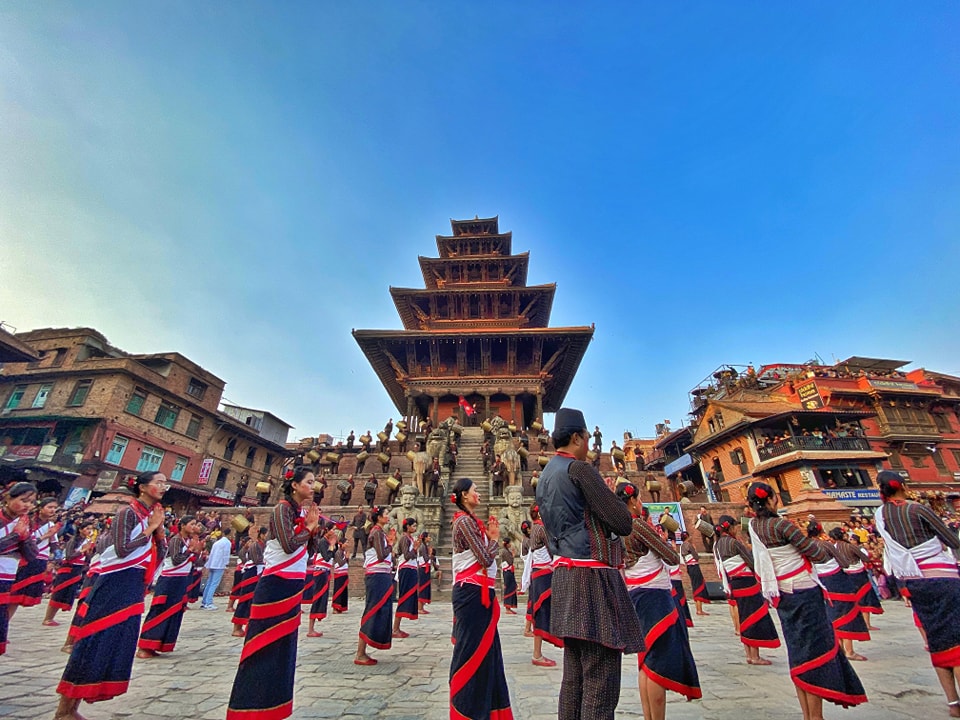
Nepal’s gorgeous scenery, with its mountains, temples, and heritage sites, offers an abundance of opportunities for foreign filmmakers to experiment with their work. Its vibrant ethics and culture pull filmmakers from all over the world who want to try new things and make great movies. But Flying drones here mightn’t be easy because the country has strict rules about it. Now, CAAN has started getting serious and more challenging with drone permits in Nepal. They want to ensure people stay safe, animals aren’t bothered and special places like temples and holy sites are respected. If you don’t follow or undergo the laws, filmmakers will face many circumstances. Skipping these legal obligations can lead to seized equipment, steep penalties, or halted production. These guidelines prevent your drone from interfering with aircraft or upsetting residents, keeping your filmmaking venture trouble-free and your documentary dazzling.
Do Foreign Filmmakers Need a Drone Permits in Nepal?
Filming by drone permits in Nepal is non-negotiable for drone shoots in Nepal. Filmmakers should start with National Filming Drone Laws Nepal from the Ministry of Communication and Information Technology (MoCIT), where they are charged NPR 15,000 (about USD 112). It covers basic drone use for a year, but heritage site filming (like Boudhanath) or national park shoots need USD 1,500 as extra approvals. Drones over 2 kilograms or flying above 400 feet require CAAN clearance, while tiny ones under 2 kilograms below 200 feet on private land might dodge this if you’re doing a quick travel film. International filmmakers must team up with a local coordinator to apply.
How to Score a Drone Permit in Nepal for Your Film Project?
Grabbing a Nepal drone permit can be a headache for foreign filmmakers who are unaware of the laws and regulations. To avoid any circumstances, the team must hire a local fixer who is a licensed professional. They help you submit your paperwork as Nepal film permits demand it. Start by getting the National Filming Permit from the Ministry of Communication and Information Technology by providing details about your film project, including your crew, equipment, and filming plans.
Next, to get drone approval from the Civil Aviation Authority of Nepal (CAAN), submit specifics about your drone, such as its weight, model, and serial number, along with your flight schedule with information on where and when you’ll fly and proof of insurance coverage. Getting your drone permit in Nepal takes between 7 and 21 days, so apply 2 to 3 weeks before you start filming. If you’re planning to shoot at special places like World Heritage Sites, UNESCO or national parks, you’ll need extra permissions on top of the basic ones. Consider getting approval from groups like the Pashupati Area Development Trust for Pashupatinath Temple or fees for Sagarmatha National Park. Hiring a local fixer can make this popular process easier and keep everything running smoothly for your 2025 shoot.
No-Fly Zones Every Filmmaker Should Know
Drone restrictions are a hot search for foreign filmmakers in Nepal, and 2025’s no-fly zones are strict. Stay 5 kilometers (3 miles) clear of airports like Tribhuvan International—air traffic trumps your cinematography dreams. Military bases, government hubs, and border zones (within 5 kilometers) are banned for security, a biggie for international shoots. Heritage site filming near temples like Swayambhunath or Lumbini? No drones within 1 kilometer unless approved—cultural sensitivity matters. National park filming in Annapurna or Everest limits drones to protect wildlife, with drone permits in nepal a must. Fly in these zones without clearance, and your film gear is toast—trending penalty alerts prove it.
Height and Distance Rules for Drone Shoots
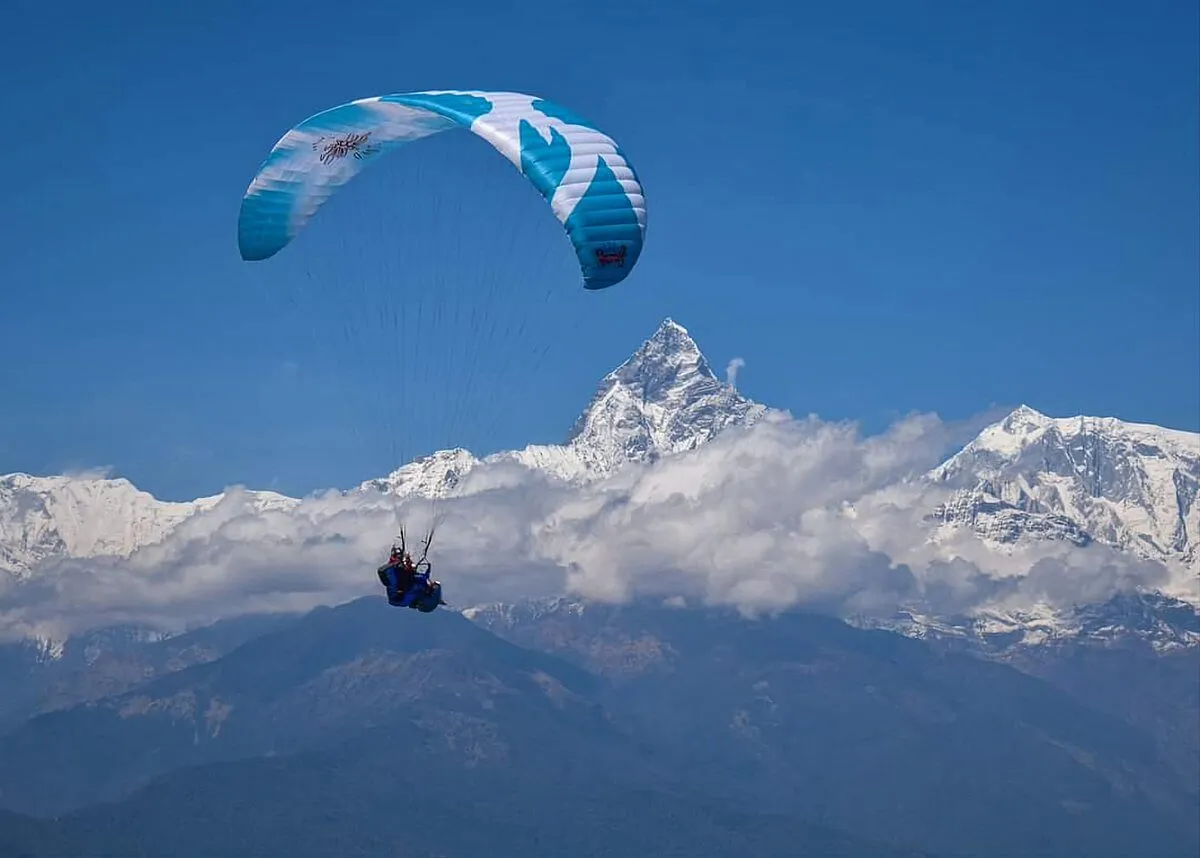
In 2025, drone permits in Nepal set limits to make sure foreign filmmakers’ projects stay safe. You can only fly drone up to 120 meters high unless you get an allowance from the Civil Aviation Authority of Nepal. This works fine for most Nepal documentaries, but it can be tough in tall places like Everest. Sideways, you’re not allowed to fly more than 500 meters away from your standing, and you have to keep your drone where you can see it. If you’re near people or buildings, keep it at least 30 meters away unless they say it’s okay. These rules help avoid crashes in Nepal’s windy mountains, which is something international filmmakers have talked about a lot lately.
Penalties That Can Ground Your Nepal Film
Ignoring or Neglecting Nepal’s drone rules can create a massive problem for foreign filmmakers. If you fly without the proper permits, your drone gets seized and faces fines. Even minor mistakes might cost you NPR 2,000 to 5,000 (USD 15-37), but serious slip-ups, such as flying in no-flying zone, could charge you with NPR 150,000 (USD 1,120). Flying near airports or military zones might even get you held by authorities or banned from filming in Nepal, which is often rare but scary for foreign filmmakers. To get your equipment back, you’ll have to pay the fines and wait, which wastes precious time on your film project.
Flying over a temple and bothering the local people can ruin their trust in you, making it harder for you to return back for future shoots. Stories are popping up on forums about filmmakers losing days and money over these penalties. Follow the legal rules and regulations, and your Nepal documentary will keep growing high without interference.
At Documentary Film Nepal, we assist foreign filmmakers in traverse the permit process, ensuring a smooth and hassle-free filmmaking experience. From securing the necessary approvals for your equipment to providing essential support, we help streamline your production and travel. Trust Documentary Film Nepal to make your next project seamless and stress-free.
Bringing Drones to Nepal: Customs Tips for Filmmakers
Customs at Tribhuvan International Airport is a busy spot that foreign filmmakers are talking about a lot. Filmmakers need to make sure to tell customs about all their filming equipment, such as drones, batteries, cameras, and other gear, by giving them a complete list with details like the brand, value, and model. The Ministry of Communication and Information Technology permit lets you bring your gear in without extra fees for a little while but you might have to pay a deposit you can get back later based on how much your stuff is worth. Small drones under 250 grams usually get through without much obligation but the bigger and professional ones need approval from CAAN. For batteries, make sure to pack them in your carry-on bag because of airline rules. Hiring a local fixer makes this messy customs process way easier, and it’s something international filmmakers really need to do.
Cultural Sensitivity in Drone Filming
Foreign filmmakers should be careful regarding culture when filming at special places in Nepal. Most Temples and monasteries might have drones prohibited or only let you use them when prayers aren’t happening. Filmmakers should check with their local fixer or the people in charge of the site. Flying your drone over crowds at festivals can scare people, so stay at least 150 meters away unless you get their permission. The sound of a drone can annoy quiet villages or monks meditating, so you need to be gentle about it. Make sure your crew wears proper clothes near religious spots, and if you’re not sure what’s okay, consider taking help from the locals. Showing respect is too essential for making your film project in Nepal as it helps you get along with people and makes your documentary feel more real and special.
Conclusion
In the present context, Nepal drone permit blend safety, respect for culture, and room for creativity. It’s a tricky balance, but foreign filmmakers can handle it with some planning. You’ll need filming permits from the Ministry of Communication and Information Technology (MoCIT), drone approvals from the Civil Aviation Authority of Nepal (CAAN), extra permissions for heritage sites, and strict drone limits, but it’s all manageable. Work with a local fixer you can hire, plan your Nepal shoot carefully, and bring lightweight gear. Then you can film Nepal’s amazing sights the right way. Ready to make your incredible film? Start getting your drone permit now and let your Nepal filmmaking adventure soar.