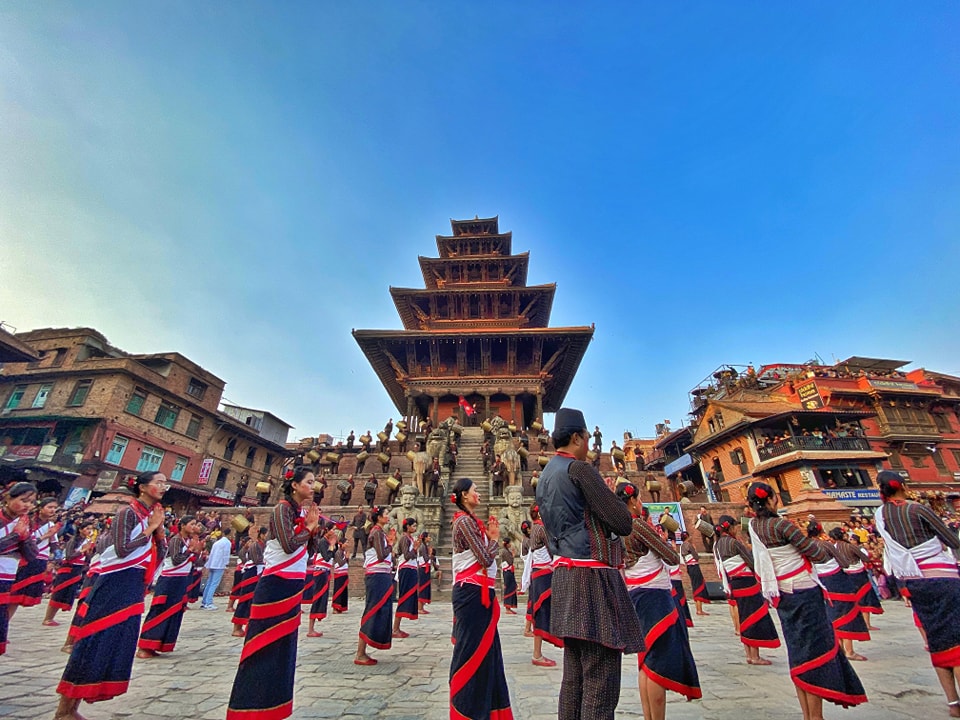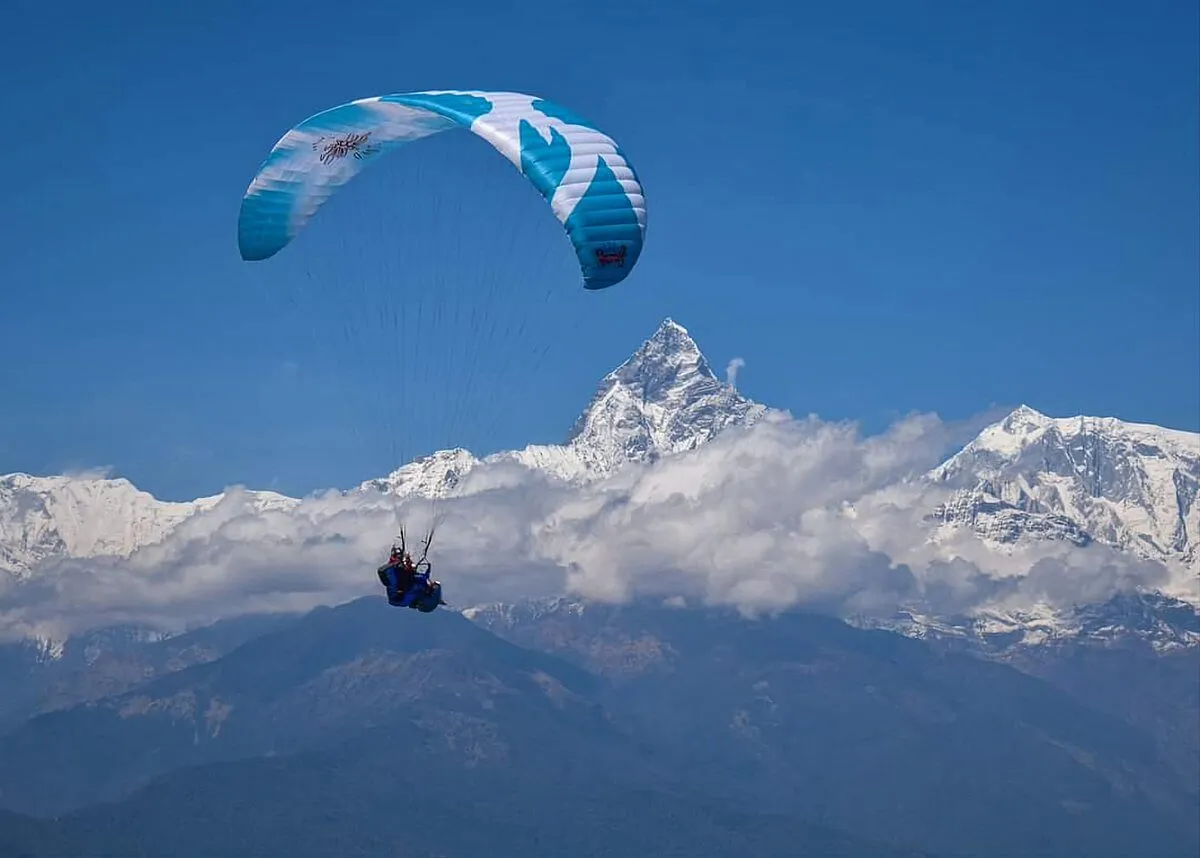
The Evolution of Thakali Culture describes the long journey of the Thakali people from the high mountains of Mustang to the busy cities of Nepal. This community originally lived in the Thak Khola valley and became famous as clever traders who moved salt between Tibet and India. Over time, as trading changed, they moved into the tourism and restaurant business, becoming known for their world-class hospitality and delicious food. Today, this evolution shows how a group can keep their traditional rituals alive while becoming very successful in the modern world.
The History and Evolution of Thakali Culture
The Evolution of Thakali Culture started in a windy valley between the giant Annapurna and Dhaulagiri mountains. For a long time, the Thakali were the middlemen of the Himalayas, trading salt for grain. When the salt trade slowed down in the middle of the 1900s, many families moved south to cities like Pokhara and Kathmandu. We can see that even after moving, they kept their community strong by helping each other start new businesses.
- The community is made up of four main family groups called clans: Gauchan, Tulachan, Sherchan, and Bhattachan.
- Each clan has its own special animal totem or spirit, like the dragon, elephant, snow leopard, and yak.
- Their religion is a mix of ancient local beliefs, Buddhism, and Hinduism, which makes their festivals very colorful.
- They have a clever money-saving system called Dhukuti where friends take turns using a pool of money to grow their businesses.
Tukuche Village History and the Trade Routes
Studying Tukuche village history helps us understand why the Thakali are such great business people. Tukuche was once the busiest trading town in the region because it sat right on the main path through the mountains. You can still see large, beautiful stone houses there today that were built by wealthy traders hundreds of years ago.
- Tukuche was the main office for salt trading where taxes were collected for the government.
- The houses were built with flat roofs so people could dry grain and wood in the sun.
- Today, Tukuche is famous for its large apple orchards and making local apple brandy.
- Many historical movies are filmed in Tukuche because the old buildings look exactly like they did in the past.
Traditional Lifestyle Documentaries of the Mustang Region
Today, traditional lifestyle documentaries are being made to show how life used to be in the cold, dry mountains of Mustang and Evolution of Thakali Culture. These films help young Thakali people who live in the city learn about their roots and the hard work of their ancestors. They often show how people in the mountains had to be very creative to survive in a place with little water and very cold winters.
- Films record the Lhafewa festival, which only happens once every twelve years and lasts for eighteen days.
- Documentaries show how people used to wear heavy wool clothes and shawls to stay warm in the high altitude.
- Cameras capture the Dhnom, a traditional healer or shaman who helps keep the community healthy.
- These videos also preserve the Thakali language, which is different from the Nepali language spoken in the cities.
Indigenous Stories Mustang and the Four Ancestors
The indigenous stories Mustang keeps alive tell us where the Thakali people came from. According to legend, four ancestors followed four different colored birds red, green, white, and black to find the Thak Khola valley. These stories teach children that their community is built on a deep connection to nature and the birds that guided them to their home.
- The ancestors settled in different parts of the valley, which is why there are different groups of Thakali today.
- Folklore tells about the Chandan tree, a sacred tree that the ancestors promised to protect.
- Many stories focus on the Mukhiya or village leader, who makes sure everyone in the town is treated fairly.
- These tales are still told today during the Toran-La festival, which is the Thakali New Year.
Food Culture Films Nepal and the Secret of Jimbu
If you watch food culture films Nepal, you will see that the Thakali people are the kings of the kitchen. Their most famous meal is the Thakali Thali, a plate full of rice, lentils, vegetables, and meat. What makes their food taste different from regular Nepali food is the use of special mountain spices and a very clean way of cooking.
- Jimbu is a dried mountain herb that smells like onion and is used to make the lentil soup (dal) extra tasty.
- Timur is a tingly mountain pepper that is used in spicy pickles and meat dishes.
- Kanchyamba are crunchy snacks made from buckwheat flour that kids love to eat.
- Dhido is a healthy, thick porridge made from buckwheat or millet that gives mountain people lots of energy.
Mustang Heritage Films and Protecting the Past
New Mustang heritage films are being used to show the world how beautiful and fragile the culture of the Himalayas is. These movies don’t just show the mountains; they show the old monasteries (Gompas) and the stone walls covered in prayer flags. We observe that these films are helping to protect the environment and keep the old traditions from being forgotten.
- Heritage films explain how climate change is making it harder for farmers in Mustang to grow crops.
- They show the Mukhiya tradition, where village leaders solve problems without needing to go to a city court.
- Many films highlight the importance of archery (bow and arrow), which is a favorite traditional sport in Thakali villages.
- These movies help bring good tourism to the area, where visitors respect the local way of life.
Frequently Asked Question
What is the Evolution of Thakali Culture?
It is the story of how the Thakali people changed from mountain salt traders to successful restaurant owners in the city while keeping their traditions.
What is Tukuche village famous for?
It is the old heart of the Thakali people and was once a major trading center. Today, it is known for its beautiful old architecture and apple farms.
What makes Thakali food special?
It uses unique mountain herbs like Jimbu and Timur, and the cooks are very careful about keeping their kitchens perfectly clean.
What is the Lhafewa festival?
It is a huge celebration that happens once every 12 years to honor the ancestors of the four Thakali clans.
How do documentaries help the Thakali people?
They record the language, stories, and festivals so that future generations can remember their history even if they live far from the mountains.
Conclusion
The Evolution of Thakali Culture is a perfect example of how a community can grow and change without losing who they are. From the high-altitude trade routes to the modern city streets, the Thakali have remained a symbol of hard work and kindness. By documenting their journey, we learn that the secret to their success is a mix of traditional wisdom and a willingness to try new things.