If you want to film in Nepal, you must follow a legal process required for all international filmmakers and journalists. Filming in Nepal is not just as a set of rules, but as a helpful guide to take your project from script to screen while staying within the law. As soon as you decide to film in the Himalayas, you need to work with the Ministry of Communication and Information Technology (MoCIT) to get approval for your crew and equipment. To successfully navigate the filming process in Nepal, you must understand that you cannot apply for permits directly as a foreigner.
What are the Filming Permits and Legal Requirements in Nepal
To film in Nepal, you must know that you cannot do it alone. The law requires every foreign crew to hire a local trekking or filming agency to coordinate your activities. Having this local partner is essential for navigating the paperwork through various government offices, as they manage everything from your initial application to getting your equipment through customs at the airport.
- The Main Permit: You need a National Filming Permit from the Ministry. This serves as your main identification for the shoot, and without it, you are working illegally.
- Government Liaison Officer: The Ministry will assign an officer to accompany your crew. You are responsible for their daily pay, food, accommodation, and insurance while they are on duty.
- Camera Customs: Nepal does not use the standard ATA Carnet. Instead, your local partner must provide a bank guarantee or a formal letter to ensure your valuable equipment leaves the country when you do.
- The Right Visa: You cannot work on a tourist visa. You need a specific film visa, which you can only obtain after your permit is approved.
Pre-Production filming Process in Nepal
The real filming process in Nepal happens weeks before you touch down at Tribhuvan International Airport. The pre-production phase is all about gathering documents and making sure your story matches what the permit office expects to see. If you wait until you arrive to start this, you might sit in a hotel for ten days waiting for a single signature.
- Paperwork Lead Time: You should start sending your passport copies, crew lists, and gear serial numbers to your local partner at least four to five weeks before your flight.
- Script Review: The Ministry needs to read a short version of your news story or documentary. They want to make sure that the content is fair and doesn’t make the country look bad.
- Location Planning: You have to list every single place you plan to visit. If you decide to go to a different village at the last minute, your permit might not cover it.
- Extra Budgeting: Many places, such as the Pashupatinath Temple or Everest National Park, have their own extra fees that you must pay in addition to the main permit. (Verify before publishing: current National Park fees for 2026).
- Checking Gears: Make sure your equipment list is accurate. If you bring a lens that is not on the list, customs might hold it at the airport.
Filming Rules, Ethics, and Cultural Sensitivity
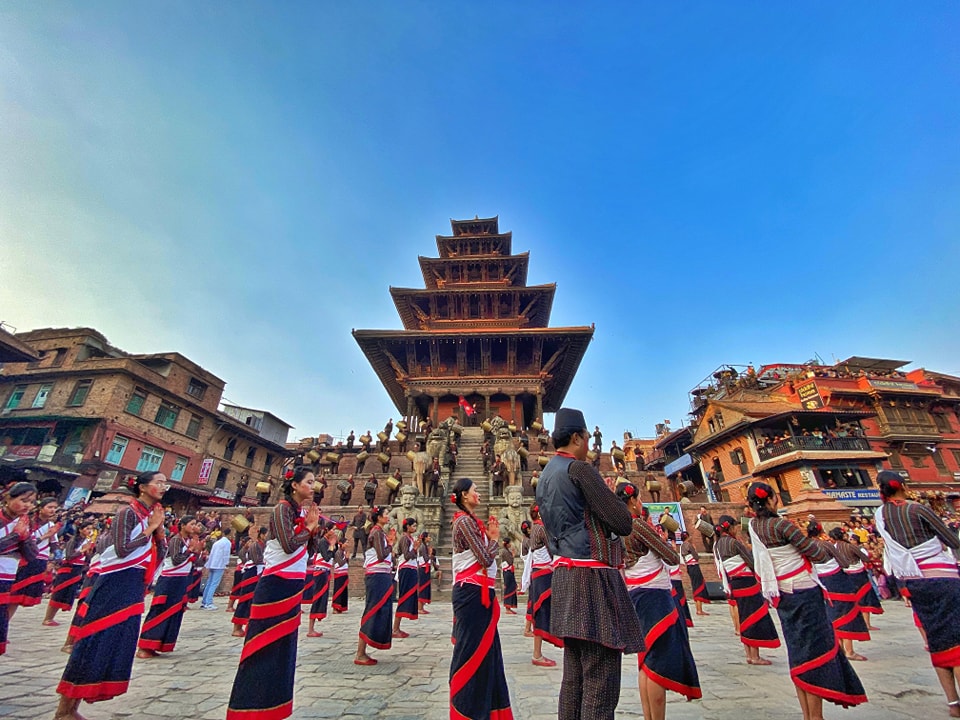
Nepal is a country rich in tradition and religion, so Respecting local traditions is a core part of a successful filming process in Nepal. Filming here requires understanding and honoring local customs. There have been instances where filming was halted because a crew recorded inside a temple where it was not allowed. Being courteous and asking locals for permission is just as crucial as having the necessary government permits.
- Respecting Temples: Many Hindu temples are off-limits to cameras, especially the inner areas where rituals happen. Always ask your local fixer before hitting record.
- Asking People First: Most Nepalis are very friendly, but for documentaries, you should always explain what you are doing. For big projects, getting a signed consent form is the best way to avoid trouble later.
- No-Go Zones: Don’t point your camera at police stations, military buildings, or border crossings. This is a quick way to get your permit taken away and your footage deleted.
- Environmental Care: In the mountains, you have to be extra careful. What you pack in, you must pack out. This is especially true in conservation areas where trash is a major problem.
- Dressing appropriately: When filming in religious or rural areas, it’s best to dress modestly to show respect for the people you are working with.
Challenges of Filming in Nepal
Shooting in Nepal is beautiful, but it can be incredibly tough on your body and your gear. We categorize the main hurdles into weather, transport, and health. You might start your day in a hot, dusty city and end it in a freezing mountain pass, and your equipment needs to be ready for both.
- Battery Life: In the mountains, there is often no place to plug in. You will need plenty of spare batteries and a way to charge them, like a portable solar kit or a power bank.
- Thin Air: If you are filming at high altitudes, your crew will get tired very fast. You must plan for buffer days so everyone can get used to the altitude without getting sick.
- Weight Limits: The small planes that fly into the mountains have very strict weight rules. You might have to pay extra or send your heavy tripods and lights by road or on a mule.
- Unpredictable Weather: Rain or fog can shut down an airport for days. Your schedule needs to be flexible enough to handle a few lost days.
- The Language Gap: While people in Kathmandu speak English, the farmers and monks in the mountains often do not. Your local fixer is your voice during these interviews.
Frequently Asked Questions
Do I really need a permit for a small documentary?
Yes. Any professional work intended for public distribution or monetization requires you to follow the official filming process in Nepal.
How long does it take to get a drone permit?
It usually takes much longer than the standard film permit—often about three to four weeks. You should start this process as early as possible.
Can I film in the Mount Everest area?
Yes, but it is one of the most expensive and regulated places to film. You will need a special permit for the National Park and usually a local coordinator who knows the mountain terrain.
Is it safe to film in Nepal?
Generally, yes. It is a very safe country for travelers, but the natural environment (like landslides or altitude) is where the real risks are.
What happens if I don’t have a Liaison Officer?
For most foreign shoots, it is not optional. The ministry will not issue your permit unless an officer is assigned to your team.
Conclusion
In summary, navigating the filming process in Nepal requires organization and maintaining respect. If you handle your paperwork early and work closely with a good local partner, you can focus on what you do best—telling great stories. Nepal offers some of the most stunning visuals in the world, and by following these simple rules, you can make sure your production goes off without a hitch.