Hiring a camera crew in Nepal involves selecting local technical experts and obtaining legal clearances from the Ministry of Communication and Information Technology. This process ensures that international productions have the right staff and equipment to film across the country’s diverse terrain. We provide this guide to help you understand the steps needed for hiring a camera crew in Nepal for your next project.
Types of Camera Crew Services Available
Nepal offers a wide range of professional production roles that cater to international standards, making it an ideal location for hiring a camera crew in Nepal. Most local experts have years of experience working on high-altitude documentaries, feature films, and commercial projects. We find that hiring local staff is the most efficient way to navigate the language and geographical challenges of the region, ensuring that your camera crew in Nepal is well-equipped to handle the unique demands of filming in this diverse landscape.
Full Production Teams
A full-service team usually includes a director of photography, assistant camera operators, and a digital imaging technician. These teams often work together regularly, which helps the shoot go faster because they already know how to communicate. Many of these professionals have trained internationally or worked on major global streaming platform projects.
Specialized Technical Roles
Specific projects might require niche skills like high-altitude drone piloting or sync-sound recording in remote areas. Local sound recordists are especially valuable because they understand the various dialects spoken across Nepal’s provinces. You can also find specialized mountain guides who are trained to carry heavy cinema gear and set up base camps for film crews.
Cost of Hiring a Camera Crew in Nepal
Hiring a camera crew in Nepal typically offers a cost-effective solution compared to Western countries, though prices can fluctuate based on equipment and expertise. Most crews operate on a daily rate that encompasses their time and essential technical gear. Additionally, the pricing for documentary filming in Nepal may differ from that of high-end commercial advertisements.
Daily Rates for Professionals
A standard camera operator or sound recordist typically charges between $150 and $400 USD per day depending on their seniority. If you require a senior Director of Photography (DOP) with a specialized equipment package, the rate will be higher. You should also budget for per diems, which cover the crew’s daily food and lodging when filming outside of Kathmandu.
Equipment Rental and Logistics Expenses
Renting a cinema camera body like a Sony FX9 or an Arri Alexa Mini in Kathmandu usually costs between $200 and $500 USD per day. Transporting this gear to remote locations like Everest Base Camp or Mustang adds extra costs for porters, yaks, or domestic flights. We recommend getting a bundled quote that includes both the staff and the necessary hardware to save on the overall budget.
Documents Required for Film Permit
You need to prepare several papers at least three weeks before you arrive in Nepal. Missing even one document can delay your start date because the government checks every detail. We recommend keeping digital copies of all these files to share with your local coordinator.
Essential Paperwork for International Crews
The government requires a formal letter from your production company explaining the purpose of the film. You also need to submit a synopsis of the project and a list of all the camera gear you are bringing. Each crew member must provide a copy of their passport and two recent photos for the official ID cards.
The Role of a Local Fixer or Coordinator
A local film fixer in Nepal is a person who handles all the paperwork for you. They act as the bridge between your team and the government offices. Most international crews find it impossible to get permits without a local fixer because they know the specific rules and language used in the offices.
Best Practices to Hire Camera Crew in Nepal
Hiring a camera crew in Nepal involves assessing their previous projects and technical expertise. The country boasts numerous skilled professionals who have contributed to major international documentaries and feature films. It is advisable to seek a crew experienced in high-altitude filming if your project is set in the Himalayas.
Essential Crew Roles for Local Shoots
A standard local crew usually includes a Director of Photography (DOP), a sound recordist, and a production assistant. If you are using drones, you must hire a licensed drone pilot who knows the Civil Aviation Authority of Nepal (CAAN) rules. Local sound recordists are very helpful because they understand the local languages and can help with interviews.
Equipment Logistics and Maintenance
Camera equipment rental in Nepal is available in Kathmandu, but the gear is often used heavily. You can find brands like Red, Arri, and Sony, along with various lenses and lighting kits. It is important to check the gear in person at the rental house to make sure everything works before you leave for a remote location.
Technical Considerations for High Altitude Filming
Filming in the mountains is much harder than filming in the city because of the weather and the air. The cold temperatures and low oxygen levels affect both your body and your camera gear. We have found that planning for these physical challenges is the most important part of the job.
Cold Weather Battery Management
One unconventional but defensible insight is that the most important person on a mountain shoot is often the battery manager. In the Himalayas, camera batteries lose power up to 40% faster than they do at sea level because of the extreme cold. You must bring more batteries than usual and keep them inside your jacket or in heated bags to keep them working.
Using Local Porters and Yaks for Transport
When you go above the tree line, you cannot use trucks or vans to move your gear. You will need to hire porters or use animals like yaks to carry your heavy camera cases. It is vital to use waterproof and dustproof hard cases (like Pelican cases) because the trails are very rocky and dusty.
Professional Conduct and Cultural Respect
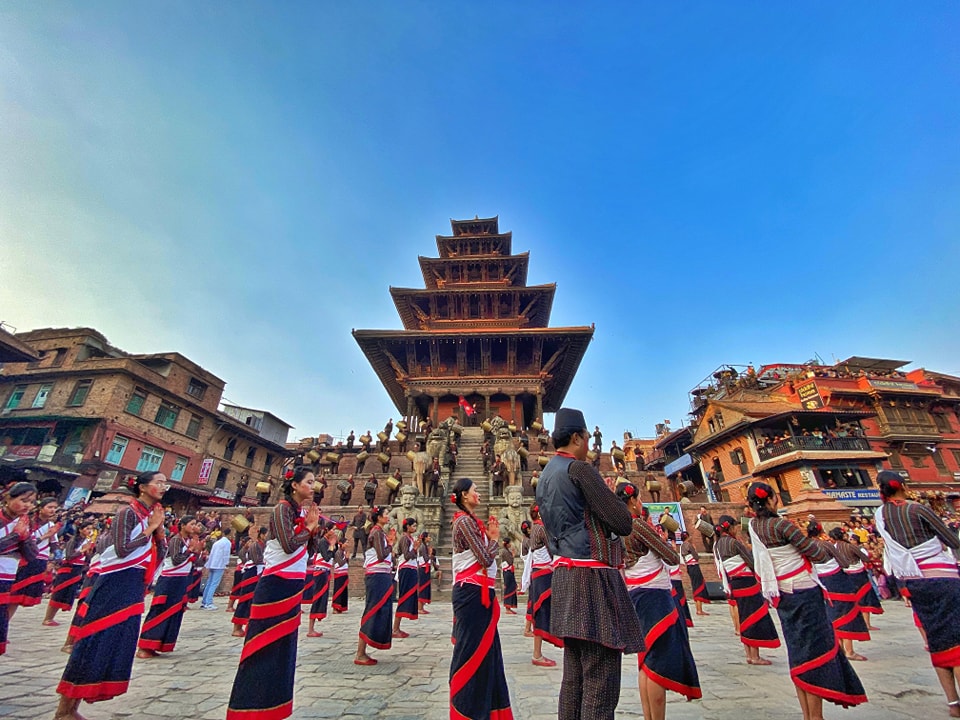
Hiring a camera crew in Nepal requires an understanding of the country’s rich diversity, which includes various religions and traditions. When filming, it is crucial to be respectful and avoid offending local communities. We strongly recommend that crews seek permission before filming individuals, particularly during religious ceremonies or within private homes.
Dress Codes and Sacred Sites
When filming near temples or stupas, crew members should dress modestly by covering their shoulders and knees. You often have to remove your shoes before entering a holy area. Following these simple rules makes the local people feel respected and helps the filming go smoothly.
Environmental Responsibility in Protected Areas
Nepal is very protective of its natural beauty. You must not leave any trash behind, especially in the national parks. If you are filming a large production, you might need to show a plan for how you will manage your waste and clean up the site after you finish.
Frequently Asked Questions
How long does it take to get a film permit in Nepal?
It usually takes about 10 to 15 working days to process a standard filming permit. You should start the application at least three weeks before your shoot to avoid any delays.
Do I need a drone permit in Nepal?
Yes, you need a separate permit from the Civil Aviation Authority of Nepal and the Ministry of Home Affairs. It is a long process, so you should hire a local drone operator who already has the right licenses.
Can I hire a camera crew in Nepal for a small project?
Yes, you can hire individual freelancers for small projects like social media videos or short interviews. Many local professionals are happy to work on smaller productions for a daily rate.
What currency should I use to pay the local crew?
Most local crew members prefer to be paid in Nepalese Rupees (NPR). However, some fixers and rental houses may accept US dollars if you agree on the exchange rate beforehand.
Conclusion
Hiring a camera crew in Nepal is a practical way to ensure your film project is high quality and follows all local laws. By working with local experts, you get access to people who understand the mountains and the permit system. We hope this guide helps you prepare for a successful production in the beautiful landscapes of Nepal. Using the right primary keyword of hire camera crew in Nepal will help you find the best local partners for your work.