If you’re a filmmaker, you’ve probably already heard way too many people telling you to shoot your film at Everest. It’s the top of the world, iconic, and has been featured in countless films. However, for crews seeking a story with more texture, grit, and a fraction of the logistical nightmare, the smartest bet in the Himalayas is the Langtang Valley. This isn’t just another trekking route; for a production team, it’s a goldmine of narrative potential and staggering visuals, and this is your complete handbook for filming in Langtang, Nepal.
This is not a glossy travel brochure. This is your definitive, on-the-ground Langtang Valley filming guide, built for crews who need to get the job done. We’re skipping the fluff and diving deep into the actionable details that matter: a complete breakdown of what’s required for Nepal film permits, a route plan for the best filming locations, gear lists for high altitude film production tips, and the powerful human stories that will give your project a global heartbeat. This is the blueprint you need to capture the soul of the Langtang Valley.
Why Filming in Langtang Valley Beats Everest and Other Popular Spots
Choosing a location is the single most important decision for a field production. Here’s why a Langtang Valley location scouting mission will prove it outcompetes other, more famous Himalayan destinations on multiple fronts, offering better visuals, storytelling, and logistics for filmmakers.
Time is money, especially on a remote shoot. An Everest-region shoot is hostage to unpredictable flights into Lukla’s treacherous airstrip. A project in remote Dolpo requires expensive special permits and brutal travel days. The Langtang Valley trailhead at Syabrubesi, however, is connected to Kathmandu by road. While the road is rugged, hiring a private 4×4 gets your core crew and gear to the starting point reliably. This accessibility dramatically simplifies logistics, making it a far more manageable operation for productions of all sizes and a top choice for filmmaking in the Nepal Himalayas.
How to Reach Langtang Valley: Filming Logistics and Travel Planning
Here’s your guide to road access, gear transport, and crew setup. Getting your people and equipment to the trailhead safely and efficiently is the first step toward a successful shoot.
From Kathmandu to Syabrubesi: Road Access for Your Film Crew
Your production journey to the Langtang Valley begins with a 6-to-9-hour drive from Kathmandu to Syabrubesi.
- Private Jeep Hire: This is the standard and smartest option. A 4×4 like a Bolero or Scorpio offers the security and space needed for Pelican cases and sensitive equipment. Expect to pay between NPR 12,000 and NPR 16,000 for a one-way trip.
- Local Bus: The most economical choice at around NPR 1,000 – NPR 1,200 per person. Be warned: it’s a long, crowded, and bumpy ride with no real space for professional gear.
Porter and Mule Hire: Your Gear Transport Plan
Once in Syabrubesi, your production moves on foot. This section is a crucial part of any Nepal trekking film guide.
- Porters: You will need them. A professional porter will carry a load up to 25kg. Their daily rate is between NPR 3,300 and NPR 4,000. It’s vital that your fixer hires experienced, insured, and properly equipped porters.
- Mules: For bulkier gear cases, mules can be an option on lower sections of the trail, but porters are generally more adaptable.
What Makes Langtang Perfect for Filmmaking: Visual and Cultural Richness
The cinematic power of the Langtang Valley comes from its blend of incredible natural beauty, ancient Tamang culture, and powerful stories of resilience.
The visual journey itself is a narrative. You trek from dense, subtropical forests roaring with river sounds up into a vast, silent amphitheater of 7,000-meter peaks. Spring (March-May) brings an explosion of red and pink from the rhododendron forests, while autumn (September-November) provides crystal-clear skies for the sharpest mountain shots.
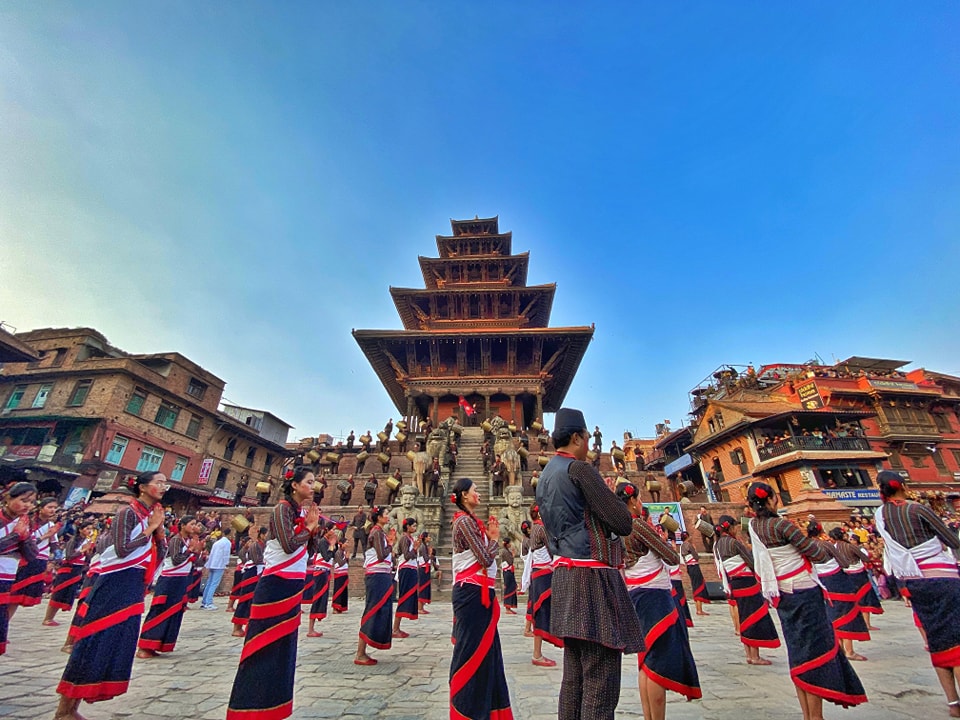
But the real depth comes from the Tamang people. Their unique heritage, a blend of Tibetan Buddhism and shamanistic traditions, is a goldmine of Langtang Valley documentary ideas. Documenting the details—the flicker of butter lamps in a monastery, the intricate woodwork, a traditional festival—adds an invaluable layer of authenticity to any project focused on shooting a documentary in Langtang Valley.
Filming Route Breakdown: Best Shot Locations in the Langtang Valley
Here is your shot list from Syabrubesi to Kyanjin Gompa and beyond. Plan your shooting days around these key visual milestones.
- Lama Hotel Area: Use this area to capture your “journey begins” shots. The trail here is classic Himalayan trekking: narrow paths, lush green forests, and the powerful Langtang Khola river as your primary visual and auditory element.
- Langtang Village: This area provides the most powerful emotional contrast in your film. You can document the colorful new lodges and rebuilt community, then walk just minutes to the haunting, rock-strewn expanse where the old village was wiped out by the 2015 landslide.
- Kyanjin Gompa: This is your main high-altitude base and a prime Kyanjin Gompa filming location. The opportunities here are immense: monks in the ancient monastery, the local cheese factory in operation, yaks grazing in front of glacial moraines, and stunning mountain views from every angle.
- Tserko Ri Viewpoint: This is a non-negotiable but very tough day hike. The reward is a breathtaking 360-degree panorama that establishes the epic scale of your film. It’s the ultimate” top of the world” shot that defines a Himalayan production.
Permits and Paperwork: Filming Legal Requirements in Nepal
Let’s be blunt: this is the most critical off-mountain challenge. You cannot film legally without the correct paperwork. You are required to hire a registered Nepal-based company to handle all applications for your Nepal film permits.
The Complete Checklist for Langtang Valley Film Permits
- Film Development Board (FDB) Permit: Your primary filming license.
- Langtang National Park Permit: Specific permission to film inside the national park.
- TIMS Card: Standard trekking permit for every crew member.
- Liaison Officer: A government-appointed monitor who must accompany your crew.
- Drone Permit: A separate, multi-agency permit that is notoriously difficult to secure.
Full Cost Breakdown (in NPR) and the Permit Process
- FDB Permit Fee: Expect around NPR 10,000 or up to NPR 200,000 for filming in Langtang.
- National Park Entry: NPR 3,000 per person.
- Special Filming Fee: Roughly USD 1,500 (around NPR 200,000) for commercial filming in the park.
- TIMS Card: NPR 2,000 per person.
- Start this process at least 6-8 weeks before your shoot date. Your fixer will submit your synopsis, crew details, and itinerary to the relevant ministries.
Understanding the Strict Langtang Valley Drone Rules
Flying a drone requires separate approval from the CAAN, the Ministry of Home Affairs, and the Ministry of Defence. The Nepal drone permit process for filmmakers is complex and expensive. Do not show up expecting to fly; you must have the specific paperwork in hand.
What Gear to Bring: Essential Film Equipment for Langtang Valley Trek
This list focuses on camera, audio, power, and crucial weight-saving high altitude film production tips. Every gram counts.
- Camera & Lenses: A compact, weather-sealed system is best (Sony FX3/A7S III, Canon C70/R5 C). One versatile zoom lens (like a 24-70mm f/2.8) is your workhorse.
Add one fast prime (e.g., a 35mm f/1.8) for low-light interviews.
- Audio: Wind is your number one enemy. You need a full blimp or zeppelin-style windshield for your shotgun mic. Wireless lavs are essential for clean dialogue.
- Power: This is your lifeline. Bring 3-4 batteries per camera, keep them warm in your jacket, and, crucially, you must have high-capacity USB-C power banks and portable solar panels. You must be power-independent.
Hiring a Fixer in Nepal: Why It’s Critical for a Film Shoot
A good local fixer is not a luxury; they are your most essential hire. They handle permit help, cultural access, and crisis handling in one person. Their value is in managing the complex logistics of transport and porters, bridging the cultural gap to secure interviews, and having the local knowledge to solve problems when, not if, they arise.
How to Prepare Your Film Crew for High-Altitude Conditions
The safety of your crew is everything. Focus on AMS prevention, understanding teahouse realities, and energy planning.
- AMS (Acute Mountain Sickness): This is a production killer. Your schedule must include mandatory acclimatization days. Never ascend too quickly. Hydration is critical.
- Teahouse Life: Prepare your crew for the reality: basic rooms, shared bathrooms, and a simple diet. Electricity for charging equipment is a paid service, costing NPR 300-800 per power bank charge.
Real Human Stories: The Earthquake, Loss, and Rebirth in Langtang
This is the emotional layer that gives your film global storytelling power. Any project shooting a documentary in Langtang Valley must engage with the story of the 2015 earthquake. It was a documented tragedy that wiped the original village off the map.
But the true, powerful narrative lies in filming what happened next. The decision by survivors to rebuild in the same valley, the construction of memorial walls, the mix of grief and incredible resilience, this is the story. It elevates a scenic movie into a profound document of the human spirit.
Conclusion: Why Langtang Valley is the Hidden Gem of Himalayan Filmmaking
A film production in the Langtang Valley is an ambitious undertaking. It demands planning, resilience, and respect. But as this guide shows, for those willing to meet the challenge, the rewards are immense. The region offers a unique blend of epic visuals, authentic cultural depth, and a genuinely moving human story. For the crew with the vision and tenacity to do it justice, the Langtang Valley is waiting to be your next great film.