Introduction
Kathmandu is the capital city of Nepal, which is a famous location for filmmakers in 2025 since it combines ancient civilization with an amazing Himalayan view. Filmmakers mostly visit Kathmandu to record cinematic travel and get their best views. Filming permits in Nepal is very useful whether your project is a film masterpiece, travel vlog, or documentary, Kathmandu has famous temples, busy markets, and peaceful hilltops. This blog suggests the legal requirements, best locations, and pro advice to boost your filming experience.
Why would a Filmmaker’s Dream Destination be Kathmandu?
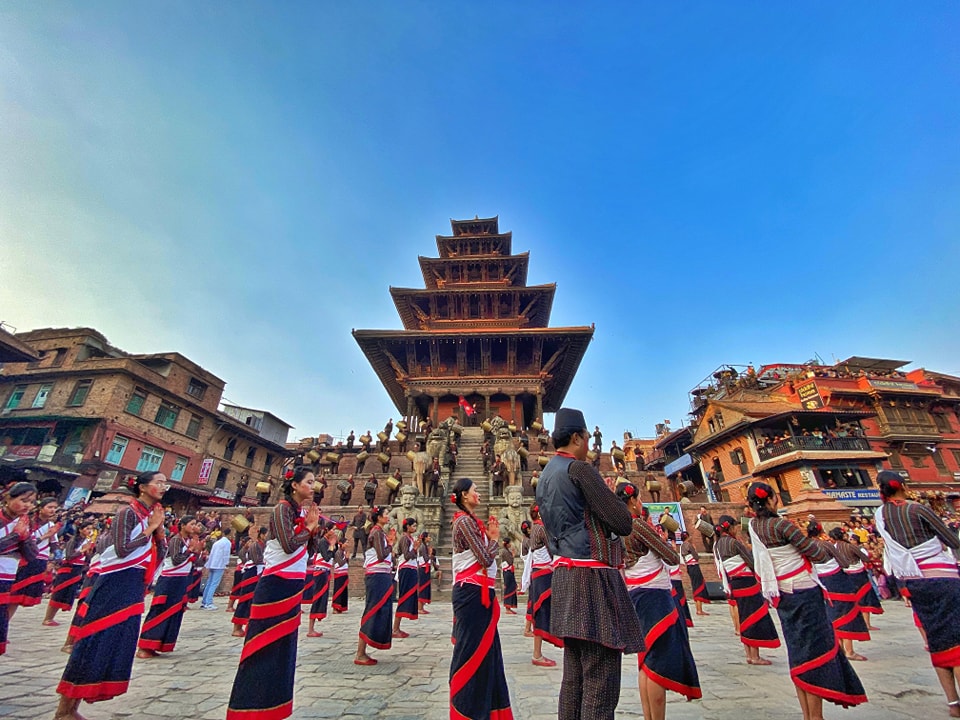
With its rich cultural legacy, breathtaking architecture, and active metropolitan life, Kathmandu, the center of Nepal, is a filmmaker’s paradise. The city provides varied filming sites, from Thamel’s busy streets and the tranquil hills surrounding the valley to UNESCO World Heritage Sites, including Swayambhunath, Pashupatinath, and Kathmandu Durbar Square.
Documentaries, travel movies, and commercial shoots would be perfect since the mix of old and modern environments allows for original narratives. Kathmandu provides strong logistical support for filmmakers thanks to reasonably low production costs, experienced local crews, and well-equipped rental homes.
Though the city’s varied weather requires careful planning, autumn, and spring, provide the best shooting conditions. Although occasionally power outages and traffic congestion can provide difficulties, good planning and backup power sources guarantee seamless filming. For directors, Kathmandu is a dream location with its cultural richness, cinematic settings, and expanding film business.
Five top filming sites in Kathmandu for 2025
For directors, Kathmandu presents a variety of cinematic settings that combine urban vitality with spirituality and culture. The following five filming sites for 2025 rank highest:
1. Swayambhu Nath Stupa
One of the most beautiful filming sites in Kathmandu is Swayambhunath, sometimes also known as the Monkey Temple. Nestled on a hilltop, it provides amazing panoramic views of the city, ideal for drone shots from a wide angle. Any frame gains magical character from the stupa with its golden spire and Buddha’s eyes. Early morning light improves the spiritual ambiance, which makes sunrise pictures perfect.
2. Durbar Square
Kathmandu is known for its courtyards, temples, and old palaces; Durbar Square is a UNESCO World Heritage Site. Travel materials, period movies, and cultural documentaries all find the perfect setting in this ancient site. Visually rich storytelling components abound from the complex wooden carvings, pagoda-style temples, and stone sculptures.
The square is always alive with residents, businesses, and street artists who give the video vitality and authenticity. Once the home of Nepalese kings, Hanuman Dhoka Palace is ideal for historical recreation because of its royal past and traditional architecture. Home to the Living Goddess Kumari, the well-known Kumari Ghar offers a chance to record rare cultural customs.
Filming here requires local government permission, particularly for commercial shoots. Golden hour shots accentuate the warm tones of the old buildings; hence, this is a perfect place for movie visuals. Filmmakers wishing to capture the cultural core of Kathmandu must visit Durbar Square.
3. Temple of Pashupatinath
Rising on the banks of the Bagmati River, Pashupatinath Temple is the most holy Hindu site in Nepal. Filmmakers investigating themes of faith, rituals, and life changes will find this spiritual and visually strong site perfect. For documentaries and cultural films, this temple offers a very poignant backdrop with its intricate elements of ancient pagoda-style shrines, sculptures, and cremation ghats.
The open-air cremation ceremonies at the riverbank ghats, a somber but strong depiction of Hindu customs, are among the most striking graphic aspects. Sadhus give the narrative complexity with their vivid clothing and ash-covered bodies. Praying, lighting oil lamps, and chanting mantras by devotees produces an immersive audio-visual experience.
Because of religious sensitivity, filming here calls for strict permits; drone use is quite limited. Shooting should take place in evening aarti, when the radiant lamps and rhythmic chanting produce a remarkable cinematic environment.
4. Stupa Boudhanath
One of the most significant Buddhist stupas in the world, Boudhanath Stupa is a filmmaker’s dream come true for perfectly calm and most beautiful scenes. With prayer flags and the vigilant Buddha eyes, the enormous white dome generates a timeless and holy atmosphere. Filming here would be ideal during sunrise and sunset when the golden light accentuates the grandeur of the stupa.
Surrounding the stupa are Tibetan monasteries, prayer wheels, and local markets, providing a mix of spiritual, cultural, and business activities. Seeing monks in intense meditation, residents circling the stupa, and devotees whirling prayer wheels. This offers a fascinating cinematic flow.
During Buddhist celebrations like Losar and Buddha Jayanti, when thousands of people gather for prayers and events, the area gets even more alive. Drone views would be ideal here since Boudhanath captures the stupa’s symmetry and the flowing movement of people. Filmmakers find it to be a legendary emblem of Buddhist spirituality and Nepal’s rich legacy.
5. Thamel Roads
Known for its neon-lit alleys, busy markets, and energetic nightlife, Thamel is the most dynamic and vivid urban filming site in Kathmandu. Travel vlogs, urban documentaries, and intense commercial filming all find a perfect environment here. There are vibrant stores, street food vendors, and music bars lining the streets providing a variety of visual appeal.
Thamel’s bookstores, rooftop restaurants, and tourist cafes give filmmakers filming modern Kathmandu ideal locations for lifestyle content. The video gains a raw, urban look from the disorganized mix of motorbikes, rickshaws, and street performers. Here, handheld camera views are most effective in keeping up with the rapid movement.
Thamel is aa excellent backdrop for nightlife photography at night when it transforms with brilliant neon lights, live music, and street entertainment. Thamel’s urban vitality can give any film project an interesting cinematic edge despite the crowds with careful framing and the correct lighting arrangement.
Permissions & Rules for filming permits in Nepal
Filmmakers scheduled to film in Nepal have to get the required licenses and approvals to guarantee a legal and seamless production flow. For all foreign productions, the Ministry of Communications and Information Technology (MoCIT) requires a general filming permits in Nepal. Filming at UNESCO World Heritage Sites, granted by the Department of Archaeology, and for shooting in national parks and conservation areas run under management by the Department of National Parks and Wildlife Conservation also require specific permits.
The Civil Aviation Authority of Nepal (CAAN) strictly controls drone use; aerial shots require particular permission. Filmmakers also have to get local municipal licenses for public area, street, and rural village filming. Usually requiring a project idea or script submission, for filming permits in Nepal has the application process can take two to four weeks for approval. Filming in restricted areas like government buildings and military zones is forbidden without specific permission. Filming in Nepal calls for filmmakers to honor local customs, religious sites, and privacy rules. Following these rules correctly guarantees flawless production.
Real-world Advice for Kathmandu Shooting
October–November or March–April is the best time to visit when shooting in Kathmandu since the weather is usually clear and provides great sight for your shots. Particularly for temple shots, where the soft natural light produces a warm, cinematic glow, the golden hour 5–7 AM/PM is the perfect time to capture breathtaking images.
We recommend hiring a local guide for better guidance of filming permits in Nepal and other local activities since they can help with logistics, negotiate the busy streets, and translate during contact with residents. Usually charging between $20 and $50 a day, guides are quite good for the investment. Meal budgets ranging from basic local restaurants to more sophisticated restaurants will also call for $10 to $15 every day. Depending on the kind of lodging, Thamel hotel rates range from $30 to $100 per night.
Always carry power banks or backup charging devices to prevent disruptions, given the regular power outages in Kathmandu. Respect local customs and dress modestly as well; this is particularly crucial while filming at holy locations like temples. Where needed, get permission; be aware of cultural sensitivity. This sound advice will respect the local surroundings and culture while helping to guarantee that your filming experience in Kathmandu runs without any problems.
Conclusion
For filmmakers looking for a distinctive and varied backdrop, Kathmandu presents an unmatched mix of historical, spiritual, and metropolitan settings. From Thamel’s energetic streets to Swayambhunath and Pashupatinath’s historic temples, every site offers cinematic possibilities, whether your focus is on aerial views, cultural narratives, or metropolitan life. Careful planning, knowledge of the local customs, and obtaining the required filming permits in Nepal will help you to produce fantastic images reflecting the rich legacy and dynamic energy of this enchanted city. Whether your project is a documentary, travel vlog, commercial shoot, or otherwise, Kathmandu’s classic appeal and energetic environment will surely improve it. Plan your shoot for the best seasons; make sure to seize the golden hours for amazing images. Accept the chance to portray the spirit of Kathmandu and produce unforgettable material that is appealing to viewers.