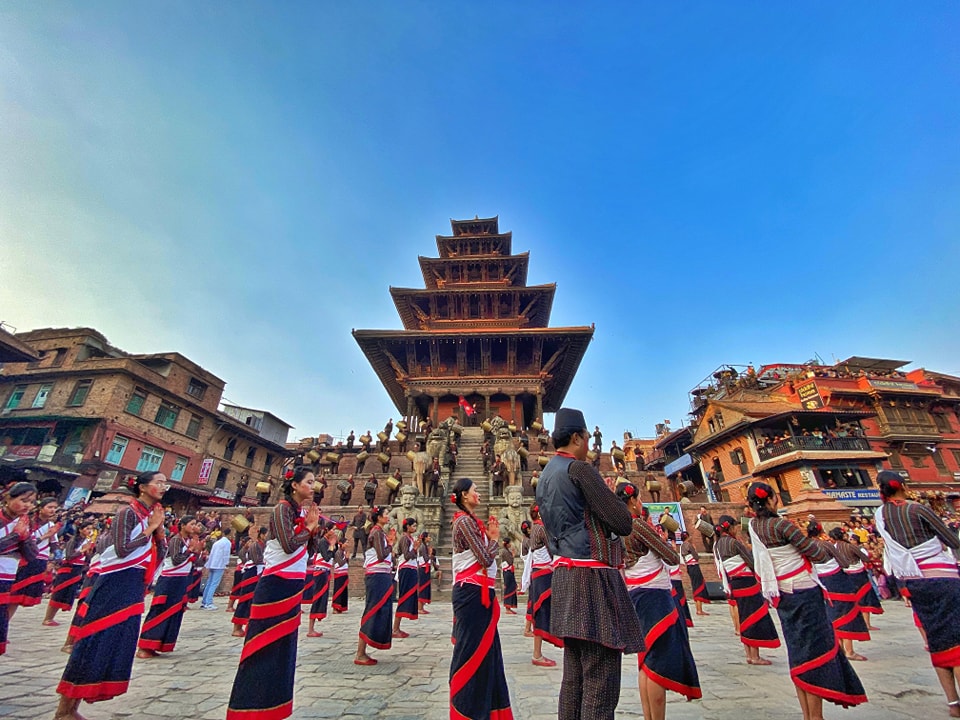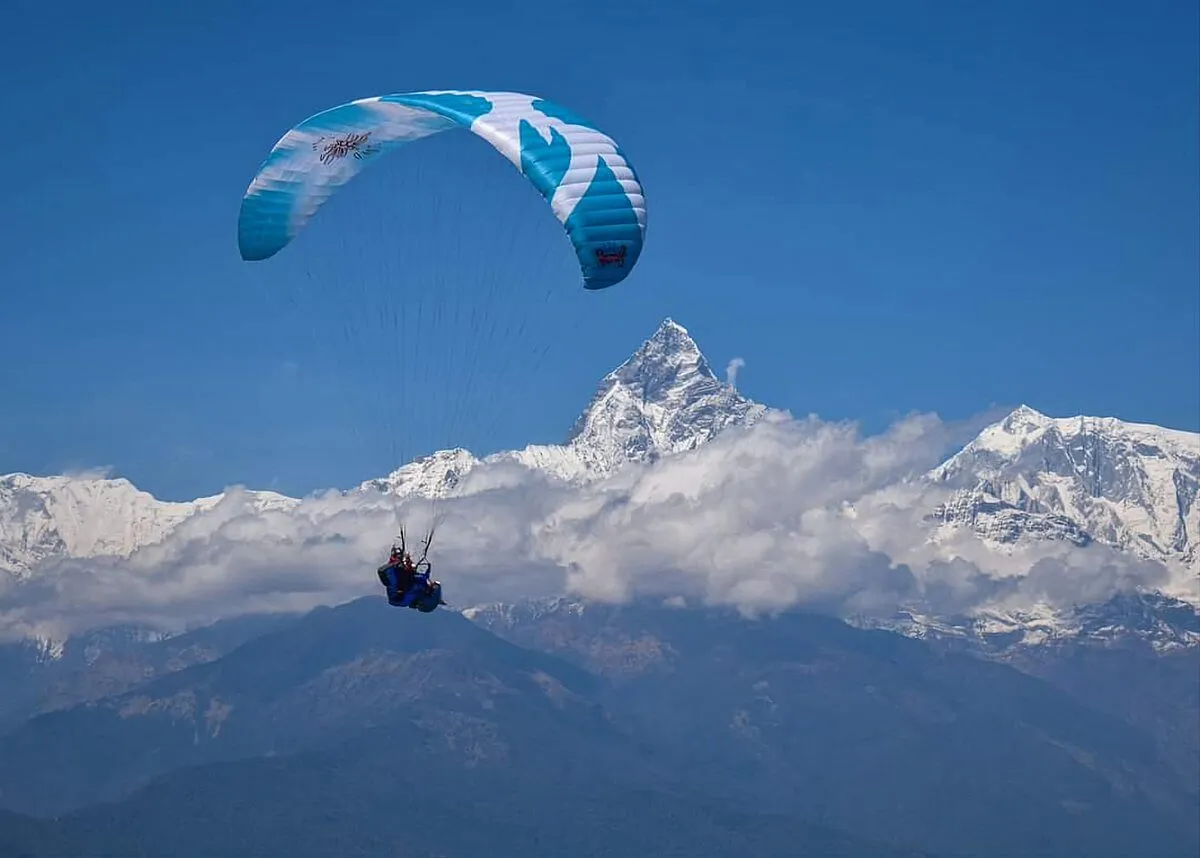
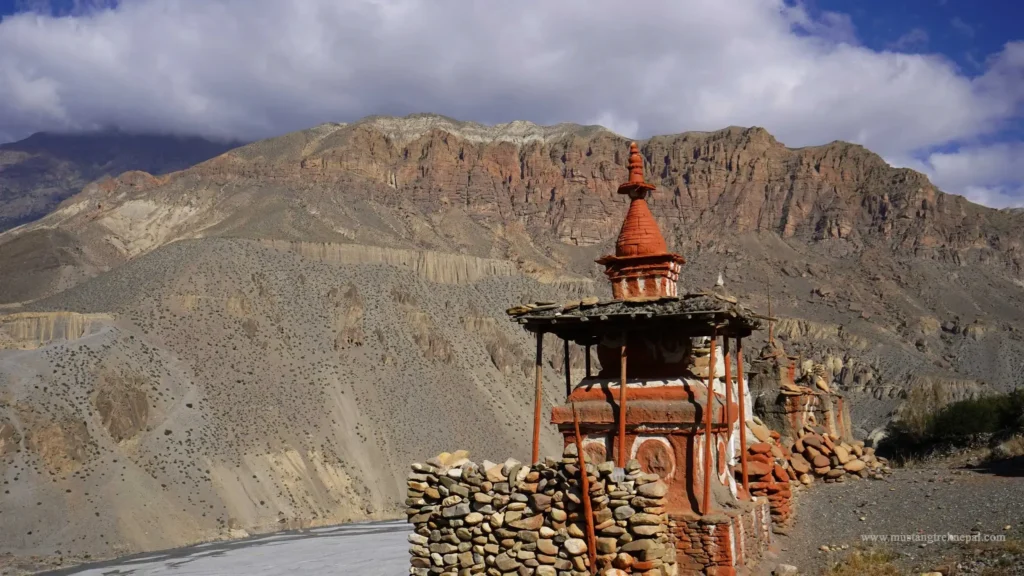
Mustang is considered one of those places that feels like another planet. You see the pictures of those vast, wind-carved canyons, the ancient monasteries, and many more beauties of Mustang. Even for most Nepalese, it is a dream destination to visit, and it’s also a filmmaker’s dream location to shoot in Mustang.
But between that dream and a successful film requires a lot of planning. A shoot in Mustang is not a simple or easy task. It’s a remote, high-altitude region with its own rules and rhythms. This guide is here to walk you through each detail that you should know before planning a shoot in Mustang.
Why a Shoot in Mustang Is Worth the Hassle
Mustang lies at a very high altitude, so before you even think of planning, you should know that there will be hassles. Mustang offers authenticity, something increasingly rare in our world, which is worth capturing in a camera, and obviously, your hard work will pay off.
The Mustang landscape is the star. It’s a high-altitude desert, which means it is rugged, dry, and dramatic. It’s a landscape that has character, that tells a story all on its own. It’s the perfect backdrop for everything from adventure documentaries to narrative films seeking a sense of isolation.
Mustang was cut off from the world for so long that the Kingdom of Lo, Mustang’s Tibetan culture, is incredibly well-preserved. You’re not just filming pretty scenery; you’re capturing a living piece of history. A successful shoot in Mustang weaves this human element into the epic landscape.
Why Hiring a Local Fixer Is Important
This is the most important part of your entire pre-production. You cannot, under any circumstances, just show up and start filming. The process is strict, and a single mistake here can derail your whole project.
I can’t stress this enough: your first and most important step is to hire a registered, experienced, and reputable film production company in Nepal. They are often called “fixers,” and they are worth their weight in gold. They understand the government’s complex system, know the people to talk to, and will handle the mountain of paperwork for you. A great fixer is the single best investment you will make for your shoot in Mustang.
Essential Permits You Need to Film in Mustang
A great film starts with great planning. For a remote location like this, it’s everything.
Here’s your step-by-step breakdown that you should do before filming a shot in Mustang:
- Upper Mustang Restricted Area Permit (RAP):
What it is: Official permission to enter the area north of Kagbeni.
Cost: USD 500 per person for the first 10 days. After that, it is USD 50 per person per day. It applies to your entire foreign crew.
Who issues it: The Department of Immigration in Kathmandu. Your fixer handles this.
- Annapurna Conservation Area Permit (ACAP):
What it is: Since Mustang is inside a protected area, everyone needs this permit.
Cost: Around USD 30 per person.
- National Filming Permit:
What it is: The official government permission to film professionally in Nepal. Your fixer will submit your script synopsis, crew list, and equipment details to get this. Be aware that a government liaison officer will be assigned to accompany your crew, and your production is responsible for their daily fee and expenses.
- Drone Permits: You need separate permission from multiple government bodies, including the Ministry of Home Affairs and the Civil Aviation Authority. This process is complex and takes time, so tell your fixer about your drone plans right away.
Start this entire permit process three months before you plan to travel. It may seem like a long time, but you’ll be glad you did. Your entire shoot in Mustang depends on having these documents in hand.
Best Time to Film in Mustang: Season Guide
Your filming window will have a massive impact on your project. The weather here is characteristic.
- The Best Times: Spring (March-May) and Autumn (Sep-Nov)
These are the “peak” seasons for a reason. The weather is stable, the skies are generally clear, and the temperatures, while cool, are manageable. Autumn often has the clearest air, giving you crisp, stunning views of the mountains. Spring offers a chance to see the landscape come alive, and is when the vibrant Tiji Festival usually happens in Lo Manthang fantastic opportunity for any shoot in Mustang focused on culture.
- The Risky Times: Summer and Winter
Summer (June-August) is the monsoon season in most of Nepal. While Mustang itself stays mostly dry (it’s in a rain shadow), the flights to get there are often canceled, and the roads can be washed out. Winter (Dec-Feb) is brutally cold, with heavy snow closing passes and making logistics a nightmare.
How to Reach Mustang: Flights vs. Road Travel
Getting to the gateway of Mustang, a town called Jomsom, is your first physical challenge. You’ll start from the city of Pokhara.
- By Air: The fastest way is a 25-minute flight from Pokhara to Jomsom. It’s one of the most spectacular flights on earth, flying right through the world’s deepest gorge. But be warned: flights only go in the morning because the winds become dangerously strong by late morning. Delays and cancellations are very common, so build buffer days into your schedule.
- By Road: You can hire a 4×4 jeep in Pokhara for the journey. It’s a long, dusty, and very bumpy 8-10 hour drive. It’s a rough ride, but it’s a great way to slowly acclimatize to the altitude, and you’ll see the landscape transform before your eyes.
Once you’re in Mustang, a jeep is your lifeline. This is not a place for regular cars. You’ll rely on your jeep and a skilled local driver to get you and your gear to all your shooting locations.
What to Pack: Gear and Crew Essentials
For Your Crew:
- Altitude Sickness (AMS): This is a serious condition that can affect anyone, regardless of fitness level. Its caused by going up too high, too fast. To prevent it, you must acclimatize. This means your schedule must include days where you rest or take short hikes at a stable altitude before moving higher. For example, spend two nights in Jomsom or Kagbeni (around 2,800 meters) before heading up towards Lo Manthang (3,840 meters).
- Clothing: Think layers. You’ll need a base layer, a fleece or mid-layer, and a windproof/waterproof outer jacket. The weather can change in an instant. Also, a warm hat, gloves, wool socks, and sturdy, broken-in boots are non-negotiable.
- Sun and Dust: The sun at high altitude is intense. Bring high-SPF sunscreen, sunglasses, and a wide-brimmed hat. A simple buff or bandana is great for protecting your face from constant dust.
For Your Cameras:
- Dust: Keep your gear in sealed bags when you’re not shooting. Bring a small dust blower and lens cleaning kits. A simple cover can make a huge difference.
- Power Backup: Don’t rely on the local power grid. Bring at least double the batteries you think you’ll need. A portable power station with a solar panel attachment is a fantastic investment for a shoot in Mustang.
- Lenses: A versatile zoom lens (like a 24-70mm) is your workhorse for most shots. You’ll also want a wide-angle lens (like a 16-35mm) to truly capture the epic scale of the Mustang landscape.
Filming Respectfully and Respecting Culture
A shoot in Mustang is not just about taking beautiful pictures; it’s about a human exchange. How you behave will directly impact the quality of your access and the soul of your film.
- Ask Permission First: This is the golden rule. Always ask before pointing your camera at a person, especially an elder. A simple smile and a gesture towards your camera go a long way. Have your guide help you with this. If someone says no, you must respect that.
- Hire Locals: Beyond your main fixer, hiring local guides or porters for specific locations supports the community directly and gives you invaluable local knowledge.
- Be a Good Guest: Don’t be loud or disruptive. Dress modestly, especially if you plan to enter a monastery. When you walk around religious monuments like stupas or mani walls, always do so in a clockwise direction. Small signs of respect are noticed and deeply appreciated.
Realistic Budgeting for a Shoot in Mustang
This is not a budget destination for filming. It’s important to be realistic.
- Permits: This will be a huge chunk of your budget. For a crew of five, you’re looking at $2,500 just for the 10-day RAP.
- Transport: Jeeps can run you $150 to $250 per day. Flights are about $125 per person each way.
- Living Costs: Budget around $50 per person per day for food and a room in a local guesthouse.
Final Thoughts: Is Filming in Mustang Worth It?
After you do proper planning, a shoot in Mustang is not that tough. It just takes time, planning, and a lot of patience. But the thing to know is, roads are rough, the weather can change fast, and the high places can be tough on your body. You won’t just bring back beautiful video clips. You’ll come home with memories, new friends, and stories that very few people in the world get to tell. So, take your time. Make a good plan. Work with people who know the place well. If you do it right, Mustang will give you something truly special, a film full of heart, color, and truth.
Also Read,
Ultimate Guide to the Film Production Process: Step-by-Step Workflow for Flawless Filmmaking (2025)
Nepal Documentary Films: True Stories That Will Inspire You in 2025