Introduction
Filming in Nepal or any other diverse landscape, weather, and location preparation is crucial for smooth production. Unpredictable weather, remote terrains, and extreme conditions can pose many challenges. The filmmakers need to consider the Twilight filming locations and best weather. Here’s how filmmakers can effectively prepare:
Location Scouting and Planning
1. Research and Pre-Visit the Location
- Before finalizing a filming location, it is essential for the filmmakers to conduct in-depth research on the terrain, accessibility, Twilight filming locations, and climate conditions to ensure a smooth production process. Understanding the landscape and geography helps filmmakers anticipate challenges related to uneven ground, steep slopes, dense forests, or water bodies. It allows them to carry the right equipment and have the right crew members for the shoot.
- Using Google Earth and having data on local forecasting at the chosen location helps filmmakers cope with unpredictable weather. Having the knowledge of local contacts and scouting trips to understand the geography can help them furthermore with set adjustments and preparation.
- The filmmakers should consider the availability of local resources like accommodation, food, and electricity. It stays as a great backup resource.
2. Permits and Regulations
Many locations, especially in national parks and remote villages, require permits for filming. It is best to check for these areas and check with local authorities, tourism boards, or national park offices for permission. Hiring a local guide or fixer can make the permit process much easier.
3. Accessibility and Transportation
Some locations lack proper roads, requiring off-road vehicles, trekking, or even helicopter access. Ensure vehicle compatibility with terrain conditions (4WD for mountains, boats for water-based shoots. Account for travel delays due to landslides, roadblocks, or local events.
Weather Preparation
1. Seasonal Considerations in Nepal
Nepal experiences four main seasons, each with its own filming challenges:
Nepal typically faces 4 seasons: Winter, Spring, Summer and Autumn. Winter is from December to February. There are extreme challenges you face during Winter: extreme cold, snow at high altitudes, and shorter daylight. Extreme weather conditions make it difficult for filmmakers to cope at high altitudes or mountainous regions. This season is best to capture the snowy landscapes and clear skies. From March to May, Spring falls. At this time, the weather is pleasant and fresh, with occasional storms. It is the best time for the filmmakers to capture the twilight filming locations, vibrant landscapes, rhododendron forests, and scenic landscapes across the hills.
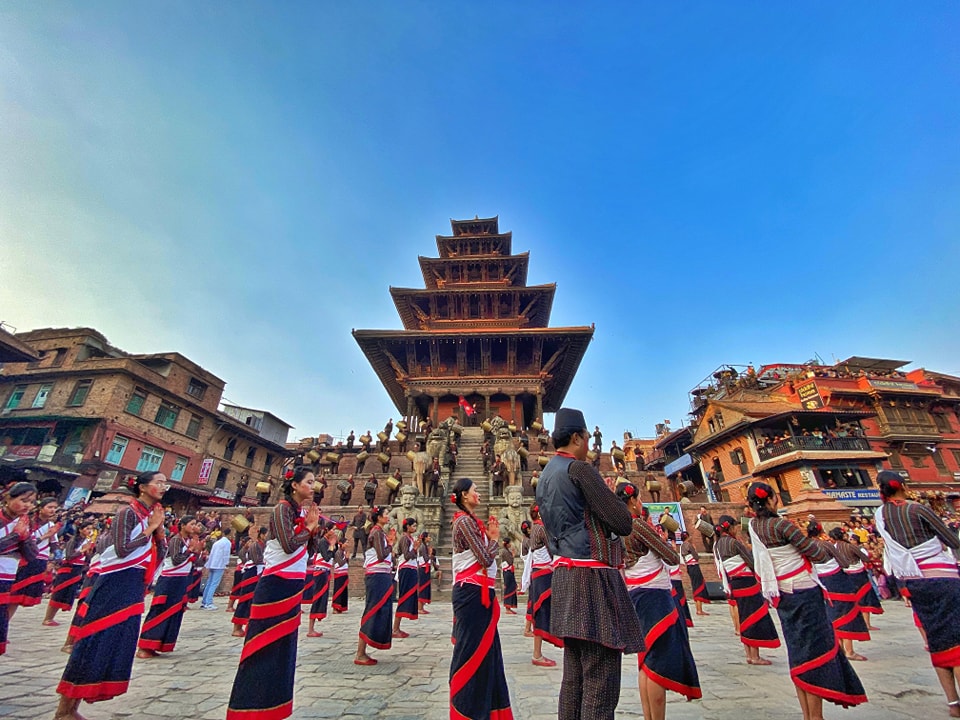
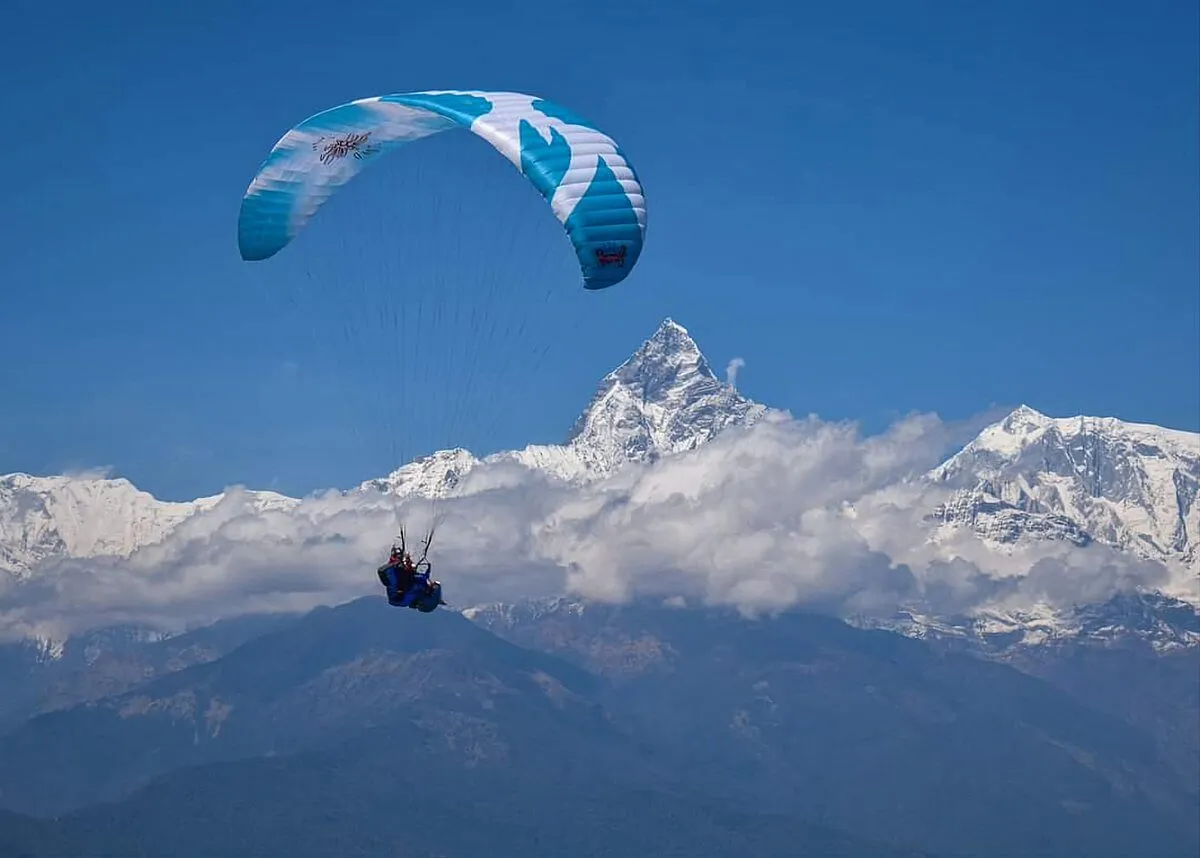
Summer typically involves a monsoon with heavy rains, landslides, and poor visibility. Because of the poor infrastructure and conditions, filming on the steep and sloppy hills is dangerous. It falls in June to September. This season is best to capture the waterfalls, lush greenery, and vibrant beauty of nature. Autumn is Nepal’s best weather for filmmakers, with clear skies and a high level of tourist activity. This season falls in October to November. You can film trekking routes and get the best mountain view in this season. This season also has festivals in Nepal.
2. Essential Gear for Weather Protection
- For Cold and High Altitude Locations: It is totally necessary that filmmakers put themselves in layered clothing which includes thermal wear, insulated jackets, gloves, waterproof boots.Filmmakers are recommended to keep themselves warm and safe with hand warmers and moisture-proof camera bags.Extra batteries need to be carried for cold weather which drains them faster.
- For Hot and Humid Locations: Filmmakers need to put on light, comfortable and breathable clothes. They are recommended to have sunscreen, hats, and hydration packs. It is much better if they carry cooling pads for equipment too.
- For Rainy and Monsoon Conditions: Since the monsoon season comes with many challenges, the filmmakers must be ready to face such challenges. It is necessary they carry waterproof camera covers, dry bags, and silica gel packs. They must have wind-resistant tripods and grip gear with backup power sources such as solar chargers and extra batteries.
3. Managing Equipment in Extreme Weather
- Dust and Sand Protection: Use UV filters and sealed bags for cameras in dry areas.
- Humidity & Condensation: Store gear with silica gel to avoid lens fogging.
- Rain & Snow: Use rain covers and weather-sealed gear to protect sensitive equipment.
- High Altitude & Cold: Keep batteries warm in pockets to prevent fast drainage.
4. Emergency & Safety Considerations
- Filmmakers should identify Twilight filming locations, the nearest hospitals, rescue services, and police stations. They must have access to their emergency and nearest contacts.
- Many filmmakers don’t have the capacity to can’t cope with high altitudes. They might suffer from altitude sickness or any other emergencies. It is better if they carry some medications with them and also pack a first-aid kit for common injuries like cuts, altitude sickness, and insect bites.
- Having an alternative shooting location in case of extreme weather disruptions and Informing the local authorities or embassies when filming in isolated areas could be a great backup plan.
Conclusion
A well-prepared filmmaker can anticipate and tackle location and weather challenges efficiently. Understanding terrain, seasonal weather, and emergency protocols ensures a safer, smoother, and more productive shoot. Twilight filming locations can even in the most challenging conditions can turn into stunning cinematic opportunities with proper preparation.