Are you planning to shoot a film about Buddhism, spirituality, or Himalayan culture? If you are, you already know that location is everything. The backdrop sets the mood, tells the unwritten story, and pulls the viewer right into the screen. When scouting for the best Buddhist documentary locations Nepal stands out as the absolute gold standard for filmmakers worldwide.
Nepal is not just a place on the map, it’s a place of living, breathing ancient faith. This country provides directors with a huge diversity of landscapes and cultures, from the dusty sun-baked plains of the Terai to the freezing wind-blown peaks of the Himalayas. In one trip you will experience ancient monasteries, deep-rooted traditions and visually stunning mountain ranges.
Let’s break down exactly where you need to go, what you can expect, and how to make your production a massive success.
Why Choose Nepal for Your Next Film?
Filmmakers are always chasing authenticity. You want places that look real because they are real. The amazing thing about Nepal is that its religious sites are not just tourist traps or abandoned ruins. They are active, bustling centers of daily worship.
When you set up your camera at any of the top Buddhist documentary sites in Nepal, you are not just filming old buildings. You’re capturing the real sound of monks chanting, of the local turning prayer wheels, and the thick smell of burning butter lamps. Here the spiritual energy translates directly through the lens. And the light in the Himalayas in the early morning golden hour is something you really can’t recreate in a studio.
Top Buddhist Documentary Locations Nepal
If you want to capture the true essence of the religion, you need a diverse shot list. Here is a breakdown of the most visually and historically significant spots to point your lens at.
1. Lumbini: The Sacred Birthplace
It is impossible to make a complete film on Buddhism without going to where it began. Lumbini is the place where Siddhartha Gautama, the Buddha, was born.
- What to film: The Maya Devi Temple, the exact marker stone of his birth, and the massive monastic zone where different countries have built their own unique temples.
- The Vibe: Peaceful, flat, and subtropical. It looks very different from the snowy mountains most people associate with Nepal.
- Historical Fact: Recent archaeological excavations in Lumbini uncovered early timber structures beneath the brick temples built by Emperor Ashoka in the third century BC, giving us a rare look at the earliest known Buddhist shrines.
- Filming Tip: Wake up before dawn. The mist rolling over the monastic zone and the sight of monks meditating under the Bodhi tree in the early light is pure cinematic magic. For anyone researching the most important Buddhist documentary locations Nepal offers, Lumbini is ground zero.
2. Swayambhunath (The Monkey Temple)
Perched on a high hill overlooking the entire Kathmandu Valley, Swayambhunath is iconic. It has a large white dome with a golden spire painted with the eyes of the Buddha.
- What to film: The steep stone stairway leading up to the stupa, the hundreds of rhesus monkeys roaming around, and the sweeping views of the city below.
- The Vibe: Chaotic, colorful, and deeply energetic.
- Cultural Context: It is the very heart of religious life for the local Newar Buddhist community, where they often conduct intense devotional practices, including circumambulation of the stupa during the holy months.
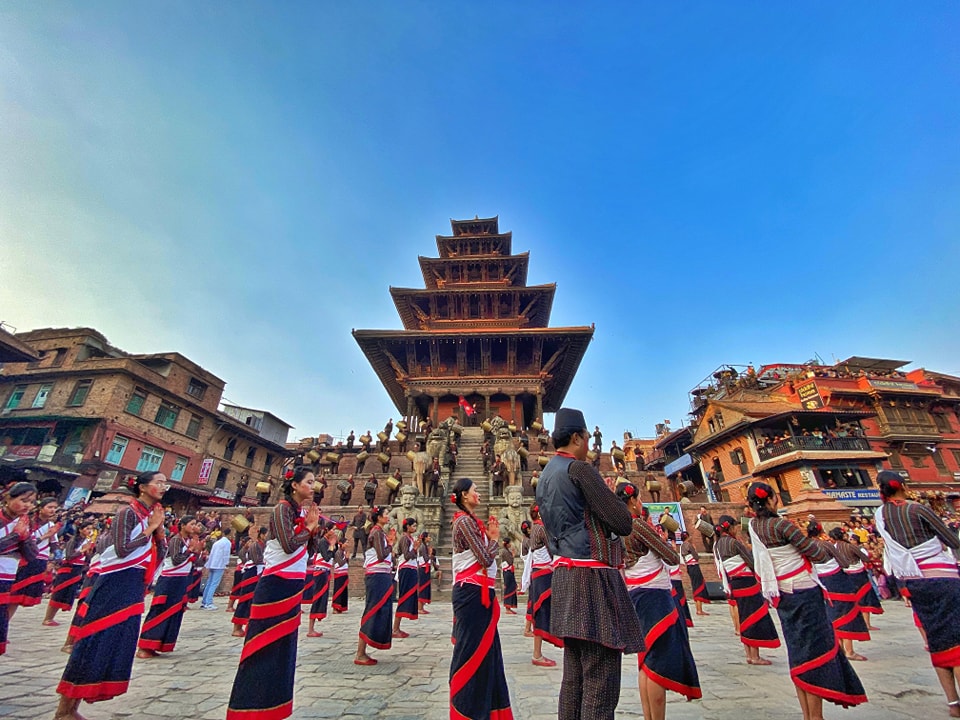
- Filming Tip: Try to film during the holy month of Gũlā when the local Newar people participate in vibrant musical processions. If you are looking for highly active Buddhist documentary locations Nepal definitely delivers here.
3. Boudhanath Stupa
If Swayambhunath is the center for Newar Buddhism, Boudhanath is the beating heart of Tibetan Buddhism in Nepal. This is one of the largest spherical stupas in the world.
- What to film: The massive dome, the thousands of colorful prayer flags catching the wind, and the continuous stream of pilgrims walking clockwise around the structure.
- The Vibe: Hypnotic and deeply moving. The sound of monks chanting and the low hum of Tibetan horns often fill the air.
- Filming Tip: Shoot from one of the rooftop cafes surrounding the stupa. A time-lapse of the pilgrims circling the dome as the sun goes down is a must-have shot.
4. The Khumbu Region (Mount Everest Area)
When people think of the Himalayas, this is what they picture. The Everest region is home to the Sherpa people, who practice a deeply rooted form of Tibetan Buddhism.
- What to film: Tengboche Monastery surrounded by towering snowy peaks, small stone shrines on high mountain passes, and the daily life of Sherpa monks.
- The Vibe: Isolated, freezing, and awe-inspiring.
- The Story Angle: The Sherpa people view the Khumbu landscape as a “beyul”, a sacred, hidden valley that protects Buddhist teachings and promotes strict environmental conservation. Highlighting this connection between faith and nature makes for a great narrative.
- Filming Tip: Out of all the Buddhist documentary locations Nepal has in the mountains, this one requires the most physical fitness. You will be trekking at high altitudes with heavy gear, so pack light and hire local porters.
5. Langtang Valley
Langtang is a more intimate and less crowded mountain experience than Everest. The valley has a rich Tibetan Buddhist tradition and an amazing recovery from the devastating earthquake of 2015.
- What to film: Kyanjin Gompa, ancient mani walls (stones carved with prayers), and the resilient local community.
- The Vibe: Rugged, emotional, and resilient.
- Documentary Proof: The sheer emotional depth of this area has been captured beautifully in previous films. For example, the documentary Trembling Mountain powerfully showed the Langtang community using their Buddhist faith and rituals to cope and rebuild after the earthquake destroyed their ancient village (Lord, n.d.).
- Filming Tip: Focus on the people here. The landscape is gorgeous, but the human stories of faith guiding recovery are what will make your film stand out.
6. Mustang and Muktinath
If you want landscapes that look like you are filming on Mars, head to the Mustang region. This high-altitude desert sits in the rain shadow of the Himalayas and borders Tibet.
- What to film: The ancient walled city of Lo Manthang, cliffside meditation caves, and the sacred temple of Muktinath.
- The Vibe: Arid, mysterious, and ancient.
- The Context: Pilgrimage traditions in Nepal are incredibly old, and sites like Muktinath attract massive numbers of both Buddhist and Hindu devotees who travel across harsh terrains to get there.
- Filming Tip: The wind here kicks up intensely in the afternoons. Get your outdoor drone shots and wide landscape shots done in the morning before the dust storms start. When making a list of remote Buddhist documentary locations Nepal has, Mustang should be right at the top.
Practical Logistics: How to Make Your Shoot Happen
Finding the best locations is only half the battle. You also have to deal with the logistics of actually getting your crew and gear there. Here is what you need to know.
- Get a Good Local Fixer: Do not try to navigate Nepal’s bureaucracy alone. A local fixer will help you get the necessary permits from the Ministry of Information and Communications. They will also negotiate with monastery head lamas for filming permissions inside the temples.
- Respect the Rules: Inside most monasteries, you cannot use flash photography or massive lighting rigs. Always ask before pointing a camera at a monk, especially if they are actively praying.
- Prepare for Power Cuts: Electricity outside of Kathmandu can be highly unreliable. Bring plenty of extra batteries and portable solar chargers for your gear.
- Watch the Altitude: If you are heading up to Khumbu or Mustang, altitude sickness is a real threat to your crew. Build extra rest days into your shooting schedule so your team can acclimatize properly.
The Best Time to Pack Your Bags
Timing will make or break your production. You do not want to be stuck in a hotel room while monsoon rains wash out the roads. When planning a trip to the top Buddhist documentary locations Nepal provides, aim for these two windows:
- Autumn (October to November): This is the best time ever. The monsoon rains have cleared the air and the skies are clear. The mountain views are ideal, and the weather is nice.
- Spring (March to May): This is the second-best window. The weather is warming up, and the hillsides are covered in blooming rhododendrons, adding bright splashes of red and pink to your landscape shots.
Avoid the summer monsoon season (June to August) unless you specifically want to film rain, mudslides, and leeches. Winter (December to February) is great for clear skies, but the high mountain locations become dangerously cold and often inaccessible due to heavy snow.
Finding the Cultural Nuance
One of the biggest mistakes foreign filmmakers make is treating all Buddhism in Nepal as the exact same thing. It is not. If you want your film to be accurate and respected, you need to show the differences.
In the Kathmandu Valley, you will find Newar Buddhism, which is highly ritualistic and mixes heavily with local Hindu traditions. Up in the mountains, among the Sherpas and Tamangs, you will see Tibetan Buddhism, which features different colorful rituals, masked dances, and deep meditation practices.
Down in Lumbini, you will find Theravada monks in simple orange robes focusing strictly on the early teachings.
Capturing these distinct flavors will elevate your project. As you explore the various Buddhist documentary locations Nepal has to offer, take the time to interview local scholars and monks. Let them explain the nuances of their specific traditions in their own words.
Wrapping It Up
Making a film in the Himalayas is never easy. The roads are bumpy, the air is thin and the logistics can be a nightmare. However, the reward is well worth it. The depth of visual and spiritual experience you will experience here is unparalleled on earth.
From the ancient brick foundations of Lumbini to the wind-beaten prayer flags of the Everest region, the stories are just waiting for you to tell them. When it comes to finding the most compelling, visually striking Buddhist documentary locations Nepal truly sits in a league of its own. So get your permits, pack your gear, hire a great local team, and get ready to shoot the documentary of a lifetime.