The best time to film a documentary in Nepal is usually during the autumn months of October and November when the air is clear and the weather is steady. These months provide the most reliable conditions for seeing the high mountains and capturing beautiful footage of the landscape. Most professional film crews choose this window because it avoids the heavy rains of summer and the extreme cold of mid-winter.
The best time to film a documentary in Nepal by season
We believe that understanding the four seasons is the most important step in planning your shoot. Each season changes the way the country looks and how easy it is to move your gear from one place to another. Choosing the best time to film a documentary in Nepal means looking at the weather charts but also thinking about what kind of story you want to tell about the people and the land.
Autumn brings the clearest views for mountain filming
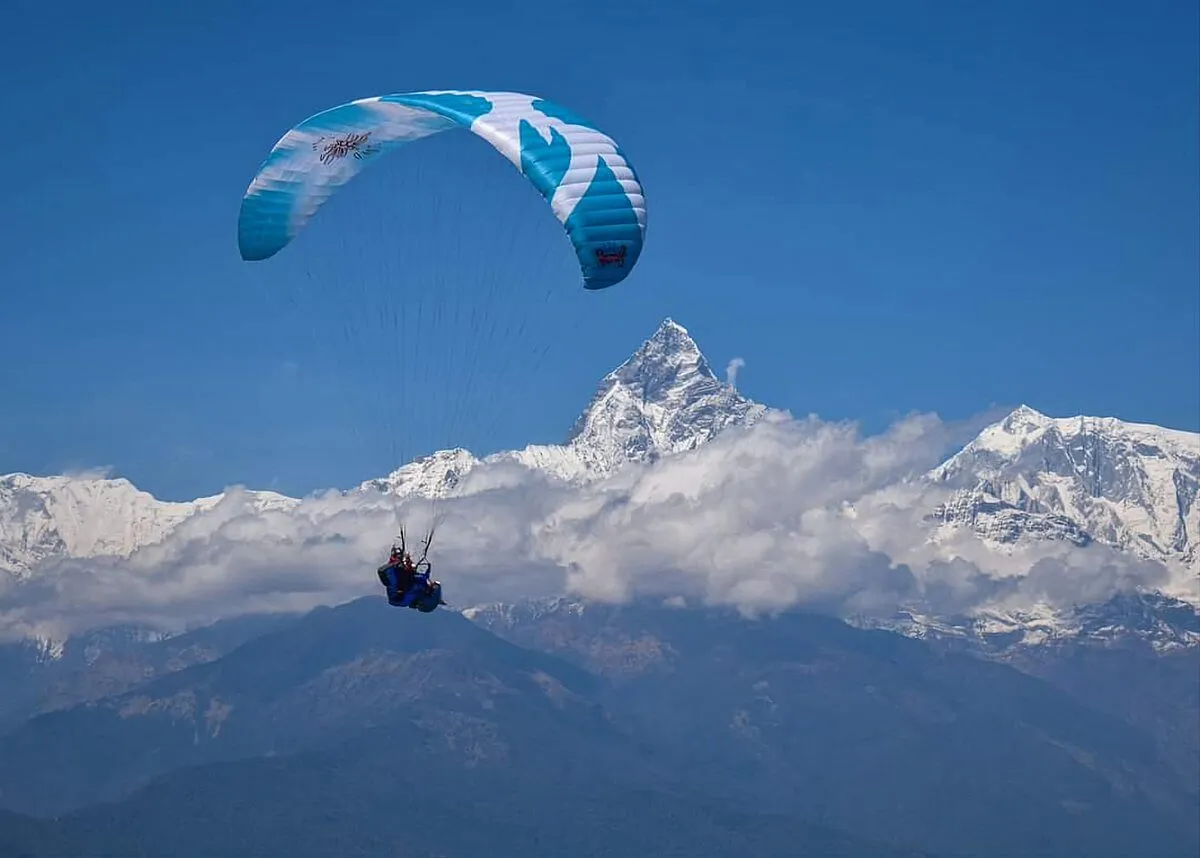
The best time to film a documentary in Nepal for mountain views is definitely the autumn. From late September to late November, the sky stays blue almost every day because the monsoon rains have just finished. This rain clears the dust out of the air, which makes the snowy peaks look very sharp and bright for your camera. Many crews like this time because the temperatures are not too hot and not too cold, so your team can work long hours without getting exhausted. It is also the season for many big festivals, which gives you a chance to film colorful cultural events in the villages.
Spring offers life and color for nature stories
The months of March, April, and May are great if you want to show the natural beauty of the forests. During this period, the red rhododendron flowers bloom across the hills, and the weather starts to get warm again. We often see documentary teams coming in the spring to film wildlife in the southern jungles or climbing expeditions on Mount Everest. You should know that the air can get a bit hazy during this time because of dust and small fires in the countryside. While the mountains might not be as clear as they are in the autumn, the vibrant colors of the trees and plants make for very pretty backgrounds.
Winter is great for urban stories and lowlands
Winter lasts from December through February and is usually very sunny and dry. Even though it is very cold in the high mountains, the weather in the Kathmandu Valley and the southern plains is quite pleasant during the day. This is a good time for films that focus on daily life, history, or social topics in the cities. The sun stays lower in the sky during winter, which creates soft light and long shadows that look very nice on film. You will find that there are fewer tourists at the famous sites, which makes it much easier to set up your tripods and record audio without too much background noise.
Logistics and the best time to film a documentary in Nepal
Planning your trip involves more than just looking at the sun and the clouds. You have to think about how you will get your equipment to remote areas and how long it will take to get your paperwork ready. The best time to film a documentary in Nepal is also when the local transport systems are running smoothly and the government offices are open for business.
Understanding Nepal film permit requirements
Before you start filming, you must deal with the Nepal film permit requirements set by the government. We suggest starting this process at least a month before you plan to arrive in the country. You will need to provide a list of your crew, your equipment, and a description of what your film is about. The government usually asks for a local coordinator to help you, and they might send a liaison officer to stay with your team during the shoot. It is much easier to get these permits during the peak seasons because the officials are used to working with foreign film crews during those months.
Protecting gear from the elements
When you film in Nepal, you have to protect your cameras and microphones from dust, rain, and cold. In the spring, the fine dust can get inside your lenses, so you need to bring plenty of cleaning kits and covers. If you are filming at high altitudes, your batteries will run out of power much faster because of the freezing temperatures. We recommend keeping your batteries in your pockets close to your body to keep them warm. During the rainy season, the humidity is very high, which can cause mold to grow inside your gear if you are not careful with silica gel and dry bags.
Navigating transport and travel timing
Moving around Nepal can be a slow process because of the steep hills and narrow roads. The perfect time is when the roads are dry and safe to drive on. During the summer monsoon, landslides often block the main highways, and small planes that fly to the mountains are often cancelled for many days in a row. If your film requires you to fly into Lukla or other mountain dirt strips, you should build extra days into your schedule for weather delays. Traveling in the autumn or spring is much more predictable, which helps you stay on your production budget.
Detailed breakdown of the best time to film a documentary in Nepal
We find that most filmmakers have a specific goal, like filming a rare animal or a specific religious ritual. This means you might have to choose a month that is not the most popular for tourists but is perfect for your specific topic. Picking the best time to film a documentary in Nepal requires you to match your script with the local calendar of events and the local climate.
The impact of the monsoon season
The monsoon season happens from June to August and brings very heavy rain almost every day. While most people avoid this time, it is actually the best time to film a documentary in Nepal if you want to show green rice fields and powerful waterfalls. The clouds move very quickly across the sky, which can look very dramatic if you are filming time-lapse videos. You just have to be prepared to get wet and deal with leeches if you are walking through the forest. It is a tough time for the crew, but the footage you get will look very different from the typical dry mountain shots that everyone else takes.
Filming in the high Himalayas
If your documentary takes place above 4,000 meters, you have a very small window of time to work with. The best time to film a documentary at high altitudes is usually May or October. In the winter, the passes are blocked by deep snow and it is too cold for most people to stay in tents for long. In the summer, the clouds cover the peaks, so you might spend a week hiking and never actually see the mountain you came to film. Planning your shoot for the weeks just before or after the monsoon gives you the best chance of having clear paths and safe working conditions for your porters and guides.
Cultural events and timing
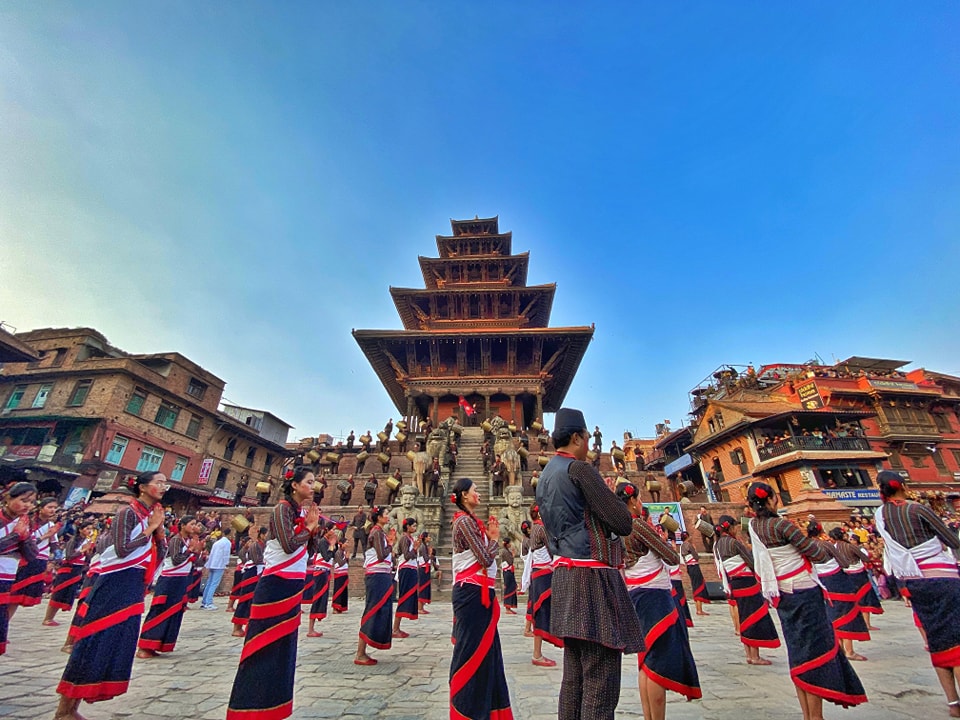
Nepal has a very busy calendar of religious festivals that happen all throughout the year. If your film is about culture, the best time to film a documentary in Nepal is during the months of October and November. This is when the festivals of Dashain and Tihar take place, and you will see families gathering, people wearing traditional clothes, and many public celebrations. Another great time is in February or March for the Holi festival of colors or the Shiva Ratri festival at the Pashupatinath Temple. You should check the lunar calendar every year because the dates of these festivals change each time.
Frequently Asked Questions
What is the single best month for mountain visibility?
November is usually the best month because the air is very dry and the summer dust has not yet started to build up. This provides the sharpest views of the high peaks for long-distance filming.
Do I need a local company to help with permits?
Yes, it is highly recommended to hire a local fixer because they understand the Nepal film permit requirements and know how to talk to government officials. They can also help with translating and finding the best local transport.
How do I handle my camera gear at high altitudes?
You should keep your batteries warm, use UV filters to protect against strong sunlight, and carry plenty of spare memory cards. Verify before publishing: Some high-altitude areas require a special National Park fee of approximately 3,000 NPR per person.
Is it safe to film in Nepal during the winter?
It is safe as long as you stay at lower elevations or have professional cold-weather gear for the mountains. The cities are quite comfortable in winter, but mountain nights can drop well below freezing.
Conclusion
Choosing the best time to film a documentary in Nepal will determine the visual style and the success of your entire project. If you want clear mountain shots, you should aim for the autumn, but if you want lush greenery, the monsoon might be better for your story. You must also account for the time it takes to manage the Nepal film permit requirements and the travel delays that come with mountain weather. By picking the right season and preparing your gear for the local conditions, you can capture the amazing stories that this country has to offer.