Cinematic landscape locations in Nepal are specific places that look great on camera and work well for making movies or documentaries. These spots include everything from giant snowy mountains to green jungles, offering many different looks in one small country. Many filmmakers come to Nepal to find real Himalayan views, old city buildings, and special lighting that you cannot find anywhere else.
Popular cinematic landscape locations in Nepal
Cinematic landscape locations in Nepal offer a diverse range of environments that attract major movie projects and film crews from around the globe. These locations are categorized based on their visual appeal, accessibility for heavy camera equipment, and prevailing weather conditions. The following spots are frequently utilized by professional location scouts and film production teams.
The Everest Region and High Mountains
This area has the most famous mountain views in the world with sharp peaks and blue ice. We see many filmmakers choose this spot because the air is clear and the sunlight at high altitudes makes everything look very sharp on screen. Most crews fly to a small airport in Lukla and then use local workers or yaks to carry their heavy tripods and cameras up the narrow mountain paths.
Upper Mustang and the Desert Valleys
Upper Mustang looks like a desert in the mountains with big red cliffs and very old caves where people used to live. This area is very dry even when it rains in the rest of Nepal, so it is a good place to film if you want to avoid clouds. Directors often use this location for fantasy movies or stories set in the past because the ground and the old houses look like they are from a different time.
Pokhara Valley and the Big Lakes
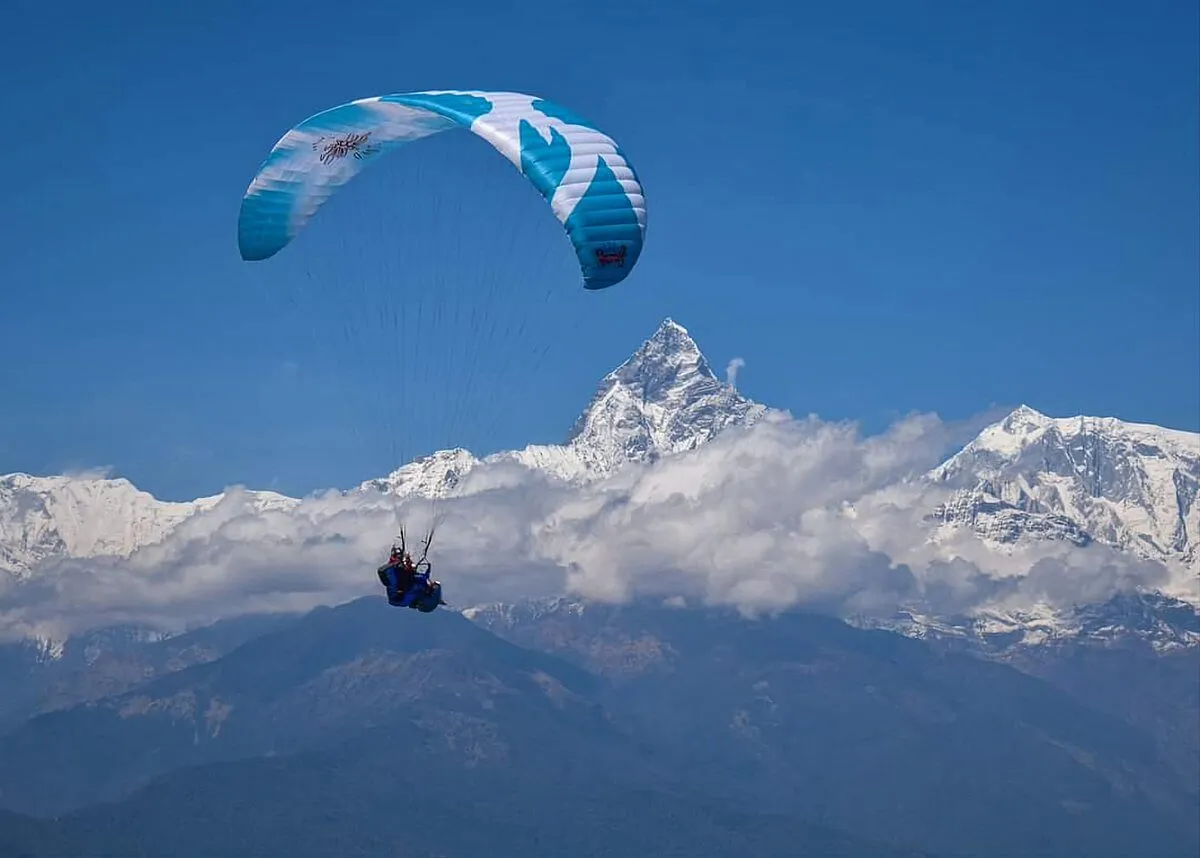
Pokhara is an easy place to film water scenes with the massive Annapurna mountains right in the background. The city is a great home base for film crews because it has nice hotels and paved roads that go right to the best filming spots. The way the mountains reflect on the water of the lake gives a beautiful look that camera operators love for wide shots.
Getting mountain film permits in Nepal and planning
Getting the right paperwork is the most important part of using cinematic landscape locations in Nepal for a movie. The government has different rules and fees depending on if you are filming in a town, a forest, or a restricted mountain zone. we suggest hiring a local guide who knows how to talk to the Ministry of Information to get all the stamps you need.
Rules for National Parks and Nature Areas
Every film crew must pay a special fee and follow strict laws when filming inside places like Sagarmatha National Park. These rules are there to make sure the film crew does not leave any trash or bother the wild animals like snow leopards or birds. Sometimes a government officer has to travel with the crew to make sure everyone follows the law while they are filming.
Bringing Camera Equipment Through Customs
If you want to bring expensive cameras, drones, and lights into Nepal, you have to show a list of everything at the airport. We recommend making a clear list with serial numbers and how much each item costs before you land in Kathmandu. The customs officers will check your gear when you arrive and again when you leave to make sure you are not trying to sell the equipment inside the country.
Working with Local Film Crews and Helpers
Local film workers in Nepal are very good at moving heavy gear in places where there are no roads or cars. These teams help with translating the language, cooking food in remote camps, and talking to local villagers if you need them to be in the background of a shot. Using local experts also helps you find secret filming spots that most tourists never get to see.
Different looks in the Jungles and Hill sides
Cinematic landscape locations in Nepal provide a diverse backdrop for filmmakers. The southern region features expansive flatlands and dense jungles that can resemble the Amazon or Africa on screen. Meanwhile, the middle hills showcase terraced farms, illustrating the traditional agricultural practices that have sustained communities in the mountains for centuries.
Chitwan Jungles and Wildlife Views
Chitwan is a very green place with lots of fog in the morning, which is perfect for filming mysterious scenes or nature shows. The park has rhinos and tigers, so people who film animals can get amazing shots of these creatures in the wild. Many film crews use jeeps or sit on top of elephants to keep their cameras steady while they move through the tall grass.
The Old Streets of Kathmandu Valley
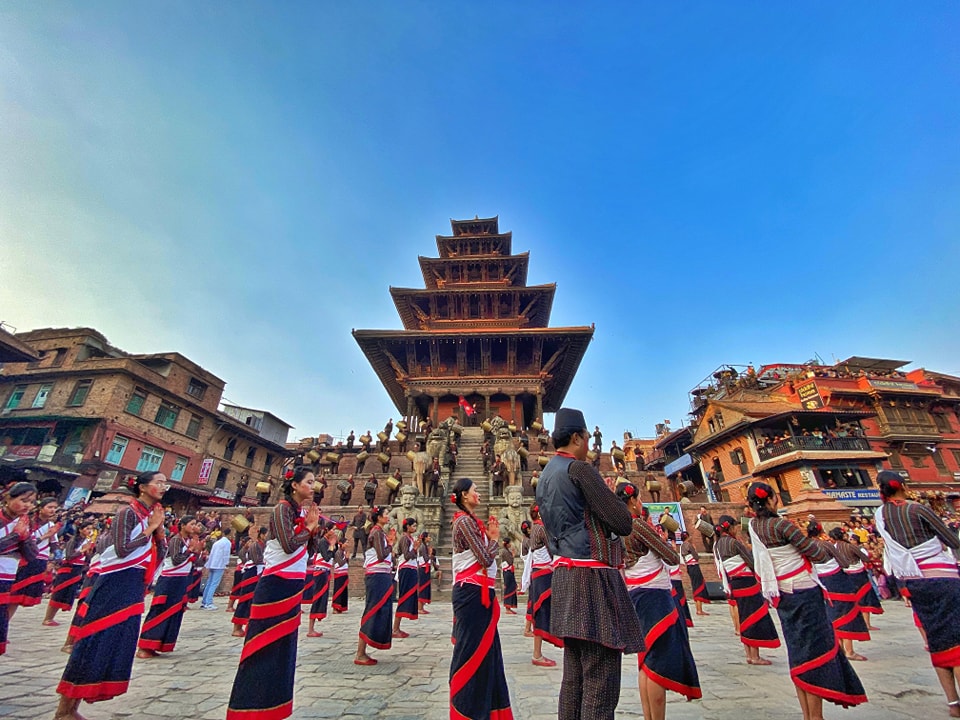
The cities of Kathmandu, Patan, and Bhaktapur have very old temples made of carved wood and red bricks. These spots are perfect for action movies or history films because the streets are narrow and look very busy and alive. Since people still live and pray in these areas, film crews have to work closely with the local people to make sure they have space to shoot their scenes.
The Green Farm Hills of Bandipur
The hills in the middle of Nepal have steep sides that are cut into many flat steps for growing rice. When it is time to harvest, these hills turn a bright golden color, which looks incredible when filmed from a drone or a high hill. These places are much easier to reach by car than the high mountains, but they still give you a very traditional and beautiful look for your film.
Frequently Asked Questions
Do I need a drone permit for filming in Nepal?
Yes, you need to get three different permissions from the aviation office, the home ministry, and the tourism department. This usually takes about two or three weeks to get all the papers ready.
When is the best time to film the mountains?
The best time is October and November because the sky is very blue and there are no clouds covering the peaks. You can also film in March and April when the flowers are blooming and the weather is getting warmer.
Is it hard to find electricity for cameras in the mountains?
In many cinematic landscape locations in Nepal, you will need to bring solar chargers or extra batteries. Some small mountain villages have power, but it is not always strong enough to charge big movie lights.
Can I hire a helicopter for aerial shots?
Yes, there are several helicopter companies in Kathmandu that are used to working with film crews. They know how to fly close to the mountains safely to help you get the best bird’s-eye view shots.
Conclusion
Choosing the right cinematic landscape locations in Nepal is about more than just a pretty view; it is about planning for the weather and the terrain. From the high snowy peaks to the deep green jungles, this country offers a huge variety of looks for any kind of movie project. If you get your mountain film permits early and work with local experts, you can capture the amazing scale of Nepal that audiences all over the world will love to see.