Nepal holds more stories per square kilometer than almost any other place on earth. Over 100 ethnic groups, 93 spoken languages, and centuries of living tradition packed into one small country. That is exactly why filmmakers keep coming back. A cultural documentary in Nepal is not just a project. For many directors, it becomes the most meaningful work they have ever done. Whether you are planning your first shoot here or scouting ideas for your next film, this guide covers the ground that actually matters.
What Types of Cultural Documentaries in Nepal Are Filmed Every Year
This is the question most filmmakers start with, and the honest answer is: the range is wider than you think.
Festival and Ritual Documentaries
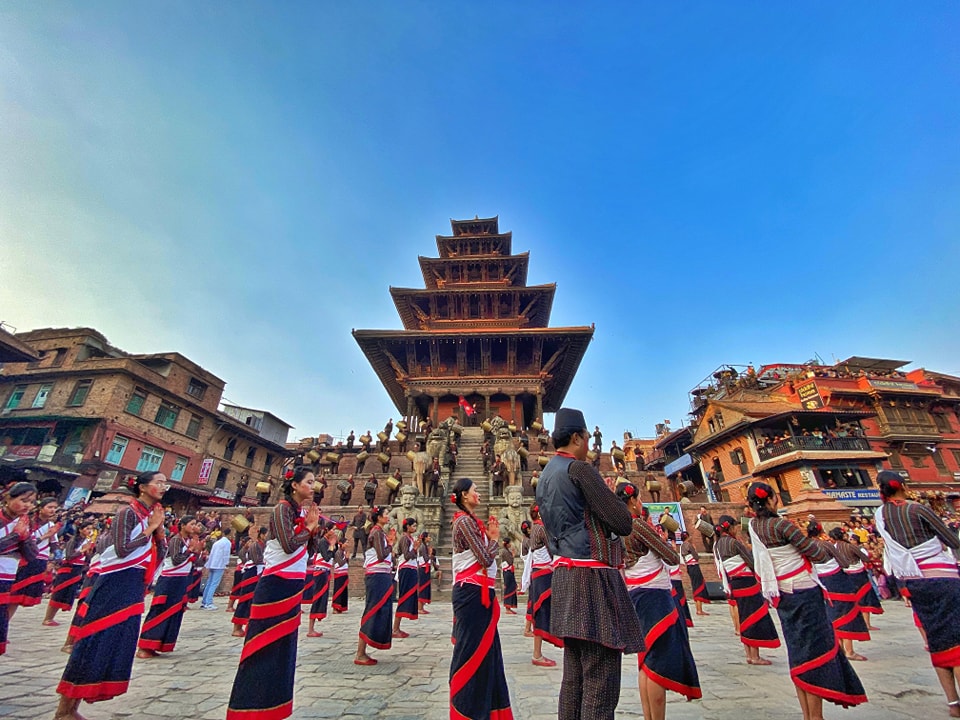
They are the most common here in Nepal Indra Jatra in Kathmandu, with its masked dances and living goddess processions, has pulled in film crews from Germany, Japan, and the United States over the past decade. Dashain and Tihar offer a different kind of visual story, one rooted in family, color, and deeply personal ritual.
Ethnic Community Documentaries
For this shoot, film makers and crew have to go deeper. Films about the Tharu people of Chitwan, the Gurung communities around Annapurna, the Newars of the Kathmandu Valley, and the Tibetan-influenced Sherpa culture of the Khumbu region have all reached international festival circuits. The 2014 film Sherpa by Jennifer Peedom is one of the most well-known examples of what happens when a filmmaker takes enough time to actually understand a community before turning the camera on.
Vanishing Traditions Documentaries
They are gaining serious traction. The Last Honey Hunter, which followed the final practitioner of cliff honey harvesting among the Kulung people, became a global story precisely because it captured something disappearing in real time.
Social and Gender Documentaries
It is rooted in Nepali culture have also found strong international audiences. Stories around the Chhaupadi tradition, women in mountain communities, and generational shifts in rural Nepal have won awards at festivals from Sundance to Sheffield.
A cultural documentary in Nepal can go in many directions. The country does not limit the filmmaker. It expands what is possible.
Best Filming Locations for a Cultural Documentary in Nepal
Location matters more in documentary work than in almost any other format. The place shapes the story.
1. Kathmandu Valley
It is is the obvious starting point for many productions. Bhaktapur Durbar Square, Pashupatinath Temple during cremation ceremonies, and the streets around Boudhanath Stupa give filmmakers centuries of layered culture in a single frame. The valley’s Newari communities are among the most documented in Nepal, but there are still stories here that have never been told.
2. Mustang and Upper Dolpo
It attract filmmakers looking for something harder to reach. These Trans-Himalayan regions carry Tibetan Buddhist culture in a form that has stayed largely intact. Productions have described shooting here as going back a hundred years. Permits are required for both areas, and that process takes time to arrange.
3. Chitwan and the Terai Lowlands
It open up a completely different cultural world. Tharu village traditions, harvest festivals, and indigenous architecture here look nothing like what you find in the hills. For a cultural documentary in Nepal that wants to show the country’s full range, the Terai is almost always underused.
4. Pokhara and The Annapurna Region
It have strong Gurung and Magar cultural presence. Village festivals timed to the agricultural calendar, traditional homesteads, and music traditions that younger generations are actively trying to keep alive all sit within reach of this base.
5. Remote Eastern Nepal
It includes the Limbu and Rai communities of Koshi province, offers ethnographic material that very few international productions have explored. Shamans of the Blind Country, filmed in this region by Swiss filmmaker Michael Oppitz, showed what is available here for patient documentary teams.
How to Find a Nepal Film Fixer for a Cultural Documentary
This is where productions either come together smoothly or fall apart completely. A fixer is not just a translator. For a cultural documentary in Nepal, the right fixer is the difference between surface access and genuine story access.
Documentary Film Nepal is one of the most established production support companies for this kind of work. They have been operating since 2010 and have handled both Nepali and international projects across the country. Their team includes producers, cinematographers, and local crew with actual documentary credits. For a production that needs everything from permits to casting to crew, they function as a full-service partner.
Beyond that, here is how experienced documentary producers find fixers for cultural shoots in Nepal:
- Contact the Film Association of Nepal and explain your project. Cultural documentaries involving specific ethnic communities often lead to introductions through this network.
- Reach academic contacts at Tribhuvan University’s anthropology and journalism departments. Researchers who have spent years in a specific community can either fix for you or connect you with someone who can.
- Ask previous productions. Filmmakers who have shot cultural documentaries in Nepal are usually generous about sharing fixer recommendations. The community is small and people talk.
- Look for fixers who have lived experience in the community you want to film. A fixer from a Newari family will open doors in Bhaktapur that no outsider can. A fixer with family in Mustang will get you access that a Kathmandu-based city dweller simply cannot.
Best Story Ideas for a Cultural Documentary in Nepal Right Now
Plenty of the obvious subjects have been covered. Here are angles that still have real room:
- The living goddess system (Kumari) has been filmed before, but no production has fully documented what happens to a Kumari after she steps down from the role, how girls return to ordinary life after years of ritual isolation. That transition has never been properly told.
- Traditional music preservation efforts among younger Nepali musicians who are trying to keep instruments like the sarangi and madal alive while also building modern careers. This sits at the intersection of cultural identity, economic pressure, and artistic creativity.
- The Chepang community of the mid-hills lives one of the most distinct indigenous lifestyles still active in South Asia. Very little has been filmed about them for international audiences.
- Changing funeral traditions across different ethnic and religious communities in Nepal. How death is marked varies dramatically from Hindus along the Bagmati to Buddhists in the highlands to indigenous groups in the east. This is a profound subject that has barely been touched.
- Women Dhami healers in far-western Nepal. Female shamanic practitioners are rare and their practices are even less documented than their male counterparts.
Permits and Practical Steps Before You Start Shooting
A cultural documentary in Nepal requires permits, and some require significant lead time. The Department of Information and Broadcasting handles general film and documentary permits for commercial productions. Standard processing takes two to three weeks if the paperwork is complete.
For Mustang and Upper Dolpo, restricted area permits are mandatory. These are separate from the standard film permit and must be arranged through the Department of Immigration. Budget at least a month for this process.
Shooting in or around temple complexes and religious sites requires additional clearance from the relevant trusts or guthi organizations managing those sites. This is where a local production partner becomes essential. Documentary Film Nepal and similar companies handle these clearances regularly and know exactly who to approach.
Conclusion
Nepal offers a density of cultural material that very few countries can match. A cultural documentary in Nepal can go from living goddess traditions in the Kathmandu Valley to ancient shamanic practices in the eastern hills to trans-Himalayan Buddhist monasteries in Mustang, and every one of those stories is distinct, layered, and genuinely underserved by existing film coverage. Start by identifying the specific community or tradition you want to document. Connect early with a local production partner like Documentary Film Nepal who understands both the cultural context and the practical requirements.