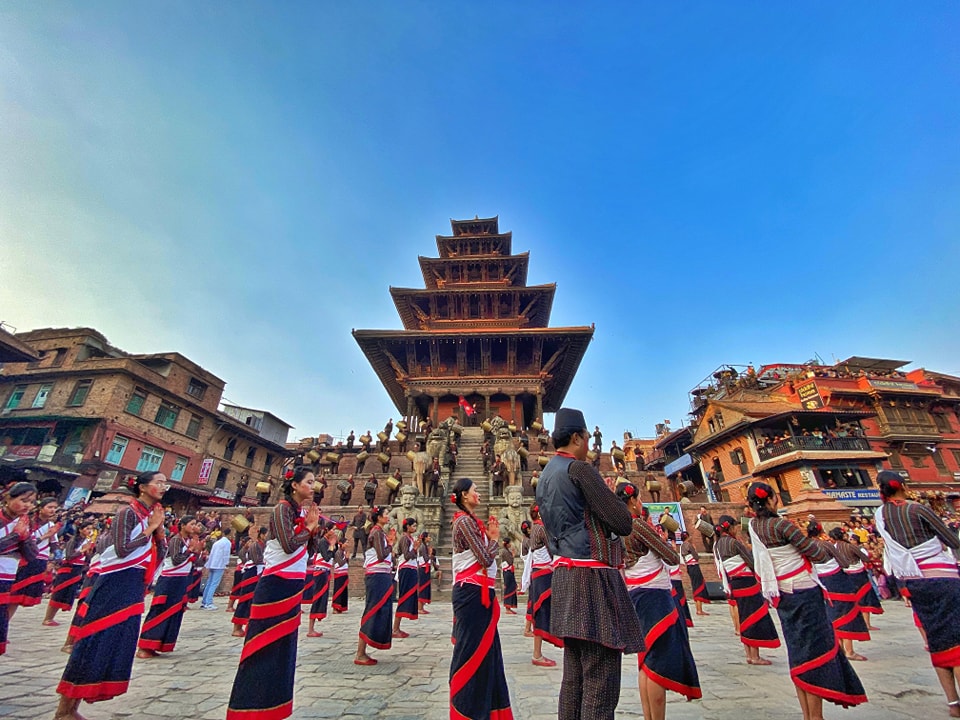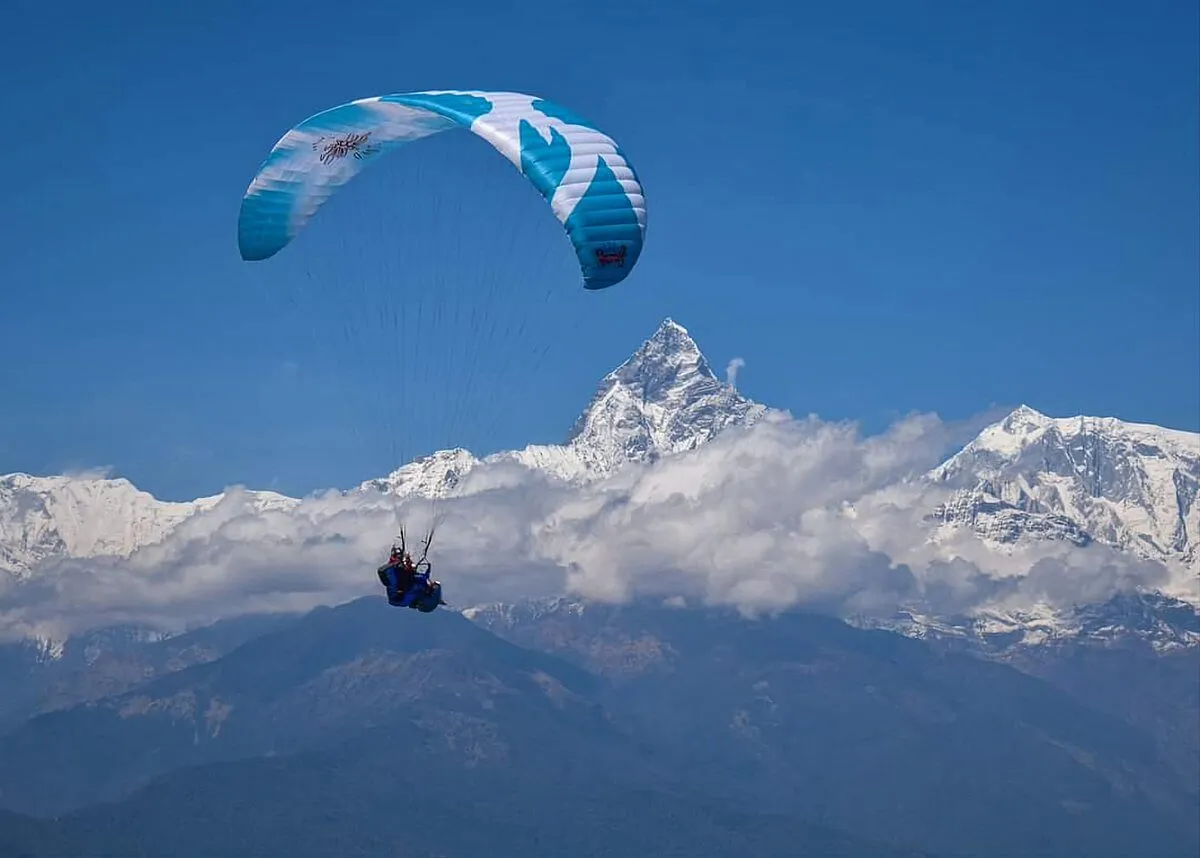
Documentary filming in Dolpo means bringing professional camera crews, specialized gear, and government-approved paperwork into Nepal’s remote northwestern region to record real-life stories. We handle extreme altitudes, complex logistics, and strict national park rules to legally capture the region’s ancient culture and rare wildlife.
Legal framework for documentary filming in Dolpo
When planning documentary filming in Dolpo, we start by dealing with massive amounts of paperwork before anyone even buys a plane ticket. We spend weeks at government offices in Kathmandu making sure every single document is perfect so the police at the mountain checkpoints let us pass.
- The crew list needs to match the exact spelling on everyone’s passport.
- Gear inventories must list the serial number of every lens, drone, and audio recorder.
- Visas have to cover the entire length of the shoot plus buffer days for bad weather.
Upper Dolpo film permits
Getting permission to shoot in this restricted area means we must apply at the Ministry of Information and Communications in Kathmandu. We hand in a full script, a daily schedule, and a list of everyone working on the project so the review board understands the story. Along with this, every foreign crew member needs a special restricted area permit from the Department of Immigration. Without these papers, police at the Dunai checkpoint will turn the crew back instantly. Our local fixer translates the project details into Nepali so the officials understand exactly what we plan to shoot. Verify before publishing: Current filming royalty rates per foreign crew member.
Hiring a Nepal film liaison officer
Shooting a documentary in the Nepal Himalayas requires us to travel with a government liaison officer every single day. We pay for their domestic flights, meals, tent, daily salary, and high-altitude insurance out of the production budget. This person acts as the official eyes and ears of the government while we work in the field. They make sure the director sticks to the approved script and does not film inside forbidden village temples. If locals get upset about where we set up camp, the officer steps in to calm things down. We cannot legally turn on a camera until this officer arrives at the location.
Shey Phoksundo National Park rules
As the area lies within Shey Phoksundo National Park, we need to obtain a separate license from the wildlife department. “It is home to rare animals like snow leopards, so we can’t make loud noises or leave designated trails while working in the park. It is very difficult to fly a drone here. We will require a special clearance from the Civil Aviation Authority of Nepal to prove we will not bother the wildlife or the local flight paths. We can’t chop wood for fires, so we have to cook on kerosene or camping gas brought up from the lowlands. The park rangers inspect our camps to ensure we don’t leave any trash behind.
Logistics planning for documentary filming in Dolpo
Moving heavy gear through the mountains completely changes how we approach documentary filming in Dolpo. There are no roads in the upper valleys, so we rely on tiny airplanes, rough jeep tracks, and long trains of pack animals to move our base.
- Small mountain flights limit passengers to just 15 kilograms of total luggage.
- A single mule can safely carry about 60 kilograms of equipment on the steep trails.
- All sensitive electronics go into heavy-duty waterproof dry bags.
High-altitude camera gear
It’s a hard environment, and the gear we choose can make or break a shoot. We don’t bring the fancy cinema cameras, but we do bring weather-sealed bodies. The wind up there is full of sharp dust that grinds away any exposed gears, and the freezing cold snaps cheap plastic parts. Our camera operators tape the holes in their lens rings to keep the dirt out. Cameras with tactile buttons are vital, as using a touchscreen is basically impossible when we are wearing thick winter gloves. The metal tripods freeze real fast. So we wrap the legs in foam so our hands don’t get too cold.
Power supply management
The biggest headache is keeping the gear running. The remote villages have no electricity. We have mules with foldable solar panels strapped to them and giant lithium battery banks. Cold weather kills batteries really fast in the mountains. A battery that lasts 4 hours in Kathmandu can last only 40 minutes at 4,000 meters. We tell our camera operators to keep spare batteries inside their base layers, where the body heat keeps the cells warm. At night we sleep with our most vital electronics stuffed inside our sleeping bags. We also have someone just to turn the solar panels every hour to chase the sun.
Crew health and safety
Altitude sickness is a very real threat to anyone carrying heavy loads above 3,500 meters. We build rest days into the schedule just so the crew can get used to the thin air. Our team medic carries emergency oxygen tanks, pulse oximeters, and drugs to treat mountain sickness. If someone gets really sick, the only way out is an expensive helicopter rescue back to a hospital in Kathmandu. Every night at dinner, we check our blood oxygen levels. Dehydration happens fast in the dry air, so the camp cook boils gallons of river water, and we force everyone to drink at least four liters a day.
Seasonal timeline for documentary filming in Dolpo
Picking the right month decides the safety and success of documentary filming in Dolpo. We plan our schedules around the monsoon rains and the deep winter snow because the weather here changes without warning.
- Spring brings blooming valleys and active wildlife to the lower elevations.
- Autumn offers the clearest skies and safest walking paths for the mules.
- Winter brings heavy snow that blocks the mountain passes entirely.
Spring shooting conditions
In April and May the lower valleys warm up, melting the snow and bringing the landscape back to life. We believe this is a good time to film animals because they come down from the high peaks looking for fresh grass. The spring light is a little hazy, and that actually helps to soften the strong sun during day interviews. The rivers run fast and deep from the melting ice, and sometimes the temporary wooden bridges we need to cross get washed away. We bring heavy rain gear because thunderstorms often hit the camps in the afternoon. There are high passes to walk over, which still requires ice cleats, and extreme caution from the whole team.
The autumn lighting window
Most of our directors aim for the window between late September and November. The summer monsoon washes all the dust out of the sky, leaving massive and clear views of the mountains. This stable weather makes it much safer to fly drones and guarantees our solar panels will get strong sunlight all day. It gets bitterly cold as soon as the sun goes down, but daytime walking is comfortable. Local farmers harvest their crops during these months, giving us amazing background activity to film. The trails fill up with yak caravans heading down to trade, which looks incredible on camera.
Winter accessibility limits
Trying to shoot a film between December and March is an extreme undertaking that we generally avoid. The temperature drops way below freezing, and massive snowstorms bury the trails. Most local families lock up their stone houses and move down to lower elevations to survive the winter. Mules cannot cross the snowy passes, meaning we have to carry everything ourselves. Finding liquid water turns into a daily chore of hacking at ice and melting snow over a hot stove. Only very small wildlife teams try to shoot in winter, mostly looking for snow leopards. The risk of frostbite for camera operators is simply too high for standard productions.
Cost breakdown for documentary filming in Dolpo
Figuring out the money for documentary filming in Dolpo takes a lot of spreadsheets and backup plans. We split our costs between expensive government fees paid in dollars and daily wages paid in local cash.
- Major permit fees and flight tickets are paid in US dollars.
- Nepalese rupees are used to buy meals, rent land, and pay porters on the trail.
- A backup cash fund stays in a Kathmandu bank for emergencies.
Government royalty fees
Paying the government makes up a huge part of the overall budget before we even start. The fees depend on what kind of film we are making. A large TV network pays much more than a small independent team. The restricted area permit for Upper Dolpo costs a flat fee per person for the first ten days, and then a daily rate kicks in after that. The national park also takes a fee for the crew and another fee specifically for flying drones. We have to leave a large cash deposit in a government bank account before leaving. If we break any environmental rules, we do not get that deposit back.
Paying local support staff
A good local crew is the backbone of the entire film project. We pay daily wages to the guides, the cooks, and the people driving the mules. The law says we must also buy proper mountain clothing and high-altitude health insurance for every local worker on the team. A local fixer is vital because they know the unwritten rules of the villages and help us negotiate fair prices for camping space. Paying the team well means they will work hard to protect the gear when a storm hits. Skipping out on good wages or cheaping out on their insurance is both illegal and incredibly dangerous.
Cargo and transport expenses
Just getting the gear to the starting point costs a lot of cash quickly. The small planes flying into the Juphal airstrip charge high rates for heavy cargo. Once you are on the ground, the rental of a train of mules or yaks costs money for each and every day they walk on the trail. Bad weather leaves us hanging around villages for extra days, so we pay the transport team but no one moves anywhere. Valley fog rolls in and flights are canceled for days at a time. We always carry around a fat wad of extra money to cover these sure weather delays.
On-the-ground field tactics for documentary filming in Dolpo
Once we hit the trail, surviving the harsh environment is the hardest part of Documentary filming in Dolpo. We use strict daily habits to protect our data and keep the expensive equipment working.
- Lenses are only changed inside completely zipped-up tents.
- Audio gear stays inside padded and insulated bags at all times.
- Data is backed up to multiple drives before anyone goes to sleep.
Unconventional data storage
Most modern film crews bring massive and heavy rugged hard drives to store their footage. We rely entirely on hundreds of low-capacity SD cards and hand them out among different porters on the trail. If a mule slips into a river, we only lose a fraction of the footage rather than the entire documentary going down with one master hard drive.
Dust and weather protection
The high valleys are deserts at high altitudes, and the wind whips fine sand into everything we own. Camera bag zippers without waxing get clogged with dirt in a few days. Even when we shoot in stone houses, our sound operators keep their mics wrapped in thick wind muffs. If a camera operator needs to change lenses on the trail, they do it inside their heavy down jacket to shield from the wind. The camera assistants clean the sensors by headlamp every night with manual rubber air blowers. The thin air screws up the can pressure, making compressed air cans useless.
Navigating village relations
Having the best camera in the world does not matter if the local people do not want to talk to us. We spend our first day in a new village just drinking butter tea and talking with the elders. We explain exactly what the film is about before anyone pulls out a microphone. Walking clockwise around the prayer wheels and respecting the temples shows the village that we care about their home. This slow and patient approach makes the final interviews feel real and honest. Our fixer helps translate the specific local dialect, ensuring nothing is lost in translation during the interviews.
Frequently asked question
What language do people speak in the high valleys?
Most residents in the upper valleys speak specific Tibetan dialects rather than standard Nepali. We hire guides from the exact villages we film in to ensure clear communication during our interviews.
Is there mobile phone service on the trekking trail?
Mobile network coverage is completely non-existent past the lower villages. We rely entirely on expensive satellite phones for emergency communication and daily check-ins with our Kathmandu office.
Can we buy food supplies along the way?
You cannot buy fresh food or large amounts of supplies once you enter the remote national park areas. We plan and carry every single meal from the starting point in Juphal.
Are there medical clinics in the region?
The area has very few basic health posts, and they do not carry specialized medicines or oxygen equipment. Any serious injury or sickness requires an immediate helicopter evacuation to a hospital in Kathmandu.
conclusion
Successfully wrapping up documentary filming in Dolpo requires stubborn patience, physical toughness, and total respect for the high-altitude environment. We really focus on correct government paperwork and developing deep trust in the remote village communities. We pay local crews fairly and battle the freezing dust to protect our gear and tell incredible stories that most people will never see in person.