Documentary filming in Manaslu is the process of shooting non-fiction video inside a protected, high-altitude mountain region in northern Nepal. We organize specialized permits, hire local staff, and carry lightweight camera gear to work safely in this remote area. The project requires physical fitness and careful planning because the villages have no roads and very limited electricity.
Legal permits for documentary filming in Manaslu
Before we begin documentary filming in Manaslu, we gather several government papers. The local police check these papers at small wooden check posts along the mountain trail. We do this to follow the strict rules of the restricted zone near the Tibet border.
Securing the Manaslu restricted area permit
We get the Manaslu restricted area permit for every foreign person on the crew. The Department of Immigration gives this paper only to a registered local trekking agency. We hand over our original passports and physical photos to the agency office in Kathmandu. They fill out the forms and pay the government on our behalf. [Verify before publishing: current autumn season permit fee per week]. The final price always changes based on the exact month we decide to walk.
Passing the Ministry of Information review
Our detailed script and shooting schedule will be reviewed by the Ministry of Information and Communications. We write a simple document about the story we want to tell and a list of all the names of everyone with a camera. This is for the government to check; we don’t film army bases or offend the religious practices of the locals. We pay a national filming tax, and we get a printed license. We have this paper folded in a waterproof bag in our top pocket.
Hiring a government liaison officer
The state assigns a local liaison officer to walk with our team. This officer watches our daily work to make sure we do not film things outside of our approved script. We pay their daily wage, buy their hot meals, pay for their bed at night, and buy their high-altitude medical insurance. This person talks to the local police for us so we do not have language problems at the check posts.
Paying national park and conservation fees
The long walking path crosses through the Manaslu Conservation Area and then into the Annapurna Conservation Area. We buy two different entry tickets for these parks in the city before we start driving to the mountains. The money from these tickets goes directly into local projects like planting trees and fixing broken walking paths. If we forget to buy these tickets in the city, the park rangers on the trail will make us pay a huge penalty fee.
Equipment limits for documentary filming in Manaslu
We work under very tight weight rules during documentary filming in Manaslu. Human porters and farm animals carry all the bags, so we leave big studio lights and heavy metal tracks in our home country.
Packing camera gear for high altitude
We shoot with small mirrorless cameras that slip right into normal hiking backpacks. The freezing mountain air drains normal batteries very quickly. We store our spare batteries in our thick down jackets so that our body heat doesn’t kill them. We also ditch our heavy fluid-head tripods and pack in the thin carbon fiber legs instead. This option drops a lot of weight and helps us walk up the steep rock steps much quicker.
Checking filming drone laws in Nepal
We read the filming drone laws in Nepal before we pack any aerial cameras. The Civil Aviation Authority of Nepal issues a special flight paper for drones. We also get a printed letter from the local rural office in the Gorkha district. The mountain police will take the drone away on the first day if we do not show them these exact letters. We never fly near army posts or crowded local markets.
Carrying solar power and battery packs
The mountain villages run on very small solar panels to make a tiny bit of electricity. The tea house owners get angry if we plug in big camera battery chargers because it kills the power for the whole building. We carry our own portable solar panels and heavy power banks. We tie the solar panels to the outside of our bags. They collect energy from the sun while we walk all day long.
Managing hard drives in cold weather
Standard computer hard drives with spinning disks break easily when the air pressure drops high in the mountains. We only pack solid-state drives to save our video files. These drives have no moving parts inside them. We back up all our new video clips to two different solid-state drives every night after dinner. We wrap the drives in our thick woolen socks to keep them warm and dry while we sleep.
Travel steps for documentary filming in Manaslu
Moving our crew around for documentary filming in Manaslu takes long days of slow travel. We drive far away from the capital city and walk for two solid weeks to cross the high mountain passes safely.
Driving off-road from Kathmandu
The journey starts with a very bumpy car ride from Kathmandu to a river town called Soti Khola or Machha Khola. The dirt road is full of deep holes and big rocks. We hire heavy four-wheel-drive jeeps to move our crew and our expensive gear without breaking anything. We hold the camera bags on our laps for eight hours so the bad road does not shake the lenses.
Working with local porters and mules
Local porters carry our heavy bags up the steep hills. We pay them a fair daily wage, buy them thick jackets, and pay for their mountain medical insurance. One porter carries a maximum of 25 kilograms of our equipment. [Verify before publishing: minimum wage rules for high-altitude porters. We pack our gear inside soft cloth duffel bags because hard plastic cases hurt the porters’ backs and easily slide off the side of the mules.
Crossing narrow suspension bridges
The walking path crosses back and forth over a very fast river using long metal bridges that swing in the wind. Local farmers use these same narrow bridges to move long trains of mules carrying heavy sacks of rice. We wait until all the animals finish crossing before we step onto the bridge. A scared mule can kick hard and push a person holding a camera straight into the water.
Planning daily trekking distances
We build our walking schedule around the slowest person on our team. We walk for about five to six hours each day. We stop at a tea house by three o’clock in the afternoon before the freezing wind starts blowing up the valley. This early stop gives us enough time to set up our cameras, film the local village life, and clean the dust off our gear before the sun goes down.
Managing health during documentary filming in Manaslu
Keeping our team healthy is our biggest job during documentary filming in Manaslu. The hospitals are very far away, so we watch everyone closely for any signs of sickness or body pain.
Dealing with acute mountain sickness
The air gets very thin once we walk higher than 3,000 meters. This thin air causes acute mountain sickness. A sick person gets a bad headache, feels like throwing up, and cannot sleep at night. The only real fix is to walk back down the mountain right away. We carry a small medical kit and a finger tool to check the oxygen levels in everyone’s blood every morning and night.
Planning rest days for the film crew
We add two full rest days to our schedule right when we reach the village of Samagaun at 3,500 meters. Forcing a camera crew to walk and film on the same day at this specific altitude causes a 50 percent drop in usable footage. Teams that rest completely here end up moving faster and shooting better video during the final high pass crossing. We use these rest days to drink warm water and let our lungs adjust.
Buying helicopter rescue insurance
Every foreign person working on our project needs travel insurance that pays for a helicopter rescue above 5,000 meters. A standard travel insurance policy stops working at 3,000 meters. A rescue flight from the high camp costs thousands of dollars if we have to pay with our own bank cards. We print out everyone’s emergency phone numbers before we leave the city.
Purifying drinking water on the trail
We cannot buy plastic water bottles in most parts of this conservation area. We drink the tap water from the local village hoses, but we clean it first to avoid stomach bugs. We drop water purification tablets into our bottles or push the water through small hand filters. Getting a bad stomach stops the whole production from moving forward, so we watch exactly what our crew drinks.
Weather conditions for documentary filming in Manaslu
Picking the correct month for documentary filming in Manaslu changes the entire look of the video. The mountain weather decides what we can see, how far we walk, and how fast we freeze.
Checking Manaslu circuit weather for autumn
We check the Manaslu circuit weather closely for the autumn season. The sky is very clear during October and November, which gives us sharp video clips of the tall snow peaks. The days feel warm in the direct sun, but the nights drop below freezing. We bring thick down sleeping bags and heavy jackets to stay warm when we sit in the cold dining rooms at night.
Filming landscapes during spring
The spring season happens from March to May. The winter snow melts and makes the rivers run very fast, which looks great on camera. The local forests turn bright red when the rhododendron trees bloom. The big problem is that thick white clouds usually roll in right after lunchtime and hide the mountains completely. We wake up in the dark so we can shoot our wide angles right when the sun comes up.
Avoiding the summer monsoon season
We do not plan any shoots from June to August. Heavy rain falls almost every day and turns the dirt paths into deep mud. Big landslides often break the walking trail and trap teams in small villages for days. The wet ground also brings out thousands of leeches. It is very hard to stand still and operate a video camera when bugs are trying to bite your legs.
Protecting gear from winter snow
Shooting video in December and January is possible but very cold. The heavy snow often blocks the highest point of the trail completely. We wrap our camera bodies in thick neoprene covers to stop the snow from freezing the small buttons. Most of the local tea house owners lock their doors and move to the lower towns to escape the cold, making it hard for us to find a warm place to sleep.
Respecting culture during documentary filming in Manaslu
The way we act during documentary filming in Manaslu is just as important as the video we record. The local people follow old Buddhist traditions, and we follow their local rules every single day.
Asking local people for camera consent
We always ask for permission before pointing a lens at any local person. Many older farmers in these high villages do not want their faces on the internet. Our local guide talks to them first in their own language to explain what we are making. If a person shakes their head or covers their face, we put the camera down right away and walk away quietly.
Walking past Buddhist monuments
The walking paths have long walls made of carved stones and big metal prayer wheels. We always walk so that the monument stays on our right side. This is a basic rule of respect in the local Buddhist religion. We teach our camera operators never to rest their heavy bags on these holy stones or sit on them when they get tired from walking.
Shooting inside dark monasteries
We ask the head monk for direct permission to bring a camera inside the village monastery. We usually give a cash donation to the building fund to thank them for letting us inside. We never use bright video lights or flash photography because it damages the old wall paintings and bothers the people praying. We open our camera lenses very wide to capture video in these dark rooms.
Participating in village life respectfully
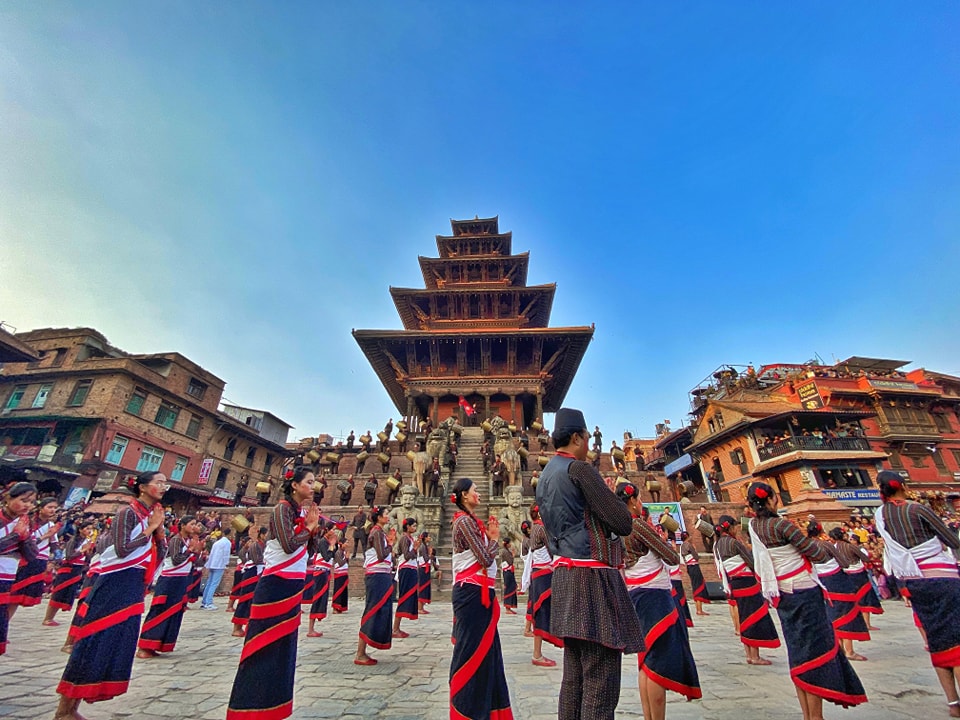
We try to blend in and stay out of the way. When we film local village festivals, we stand at the very back of the crowd. We never block the view of the local people just to get a better camera angle. Showing respect builds real trust with the community, and this trust gives us much better, more honest video footage of their daily lives.
Cash budget for documentary filming in Manaslu
Handling money for documentary filming in Manaslu takes a lot of counting and planning. There are no banks, no card machines, and no phone payment apps anywhere up in these mountains.
Paying for tea house rooms
Our crew sleeps in basic stone houses known as tea houses. We pay a small fee for the beds, but we have to buy our dinner and breakfast at the same house. The price of a simple plate of rice goes up every single day as we walk higher up the mountain. We pay the house owner in physical cash before we pack our bags the next morning.
Buying meals and hot water
Food takes up the biggest part of our daily cash budget. The team eats simple meals like Dal Bhat, which is rice and lentil soup. We also pay extra money if we want a thermos of hot drinking water or a bucket of hot water to wash our faces. We calculate exactly how many meals our team will eat and carry enough cash to cover every plate.
Giving tips to your local crew
It is a strict rule to give a cash tip to the porters and guides on the last day of the walking trip. They work very hard to keep our crew safe and our heavy gear dry in bad weather. We put the tip money in small paper envelopes. We hand this directly to the workers to thank them for their physical help.
Carrying Nepalese Rupees safely
We carry all our budget in local Nepalese Rupees. We bring small paper notes like 100s and 500s. The small village shops do not have enough change if we try to pay for a cup of tea with a big 1,000 Rupee note. We split the thick stacks of cash between three different crew members so we do not lose our entire budget if someone drops a bag in the river.
Common questions about documentary filming in Manaslu
Reviewing these common questions helps teams plan properly for documentary filming in Manaslu. We share these basic facts to keep new film crews safe on the mountain trail.
How many days does the Manaslu film shoot take?
A standard film project needs at least 21 days to finish the mountain route safely. This time allows your body to adjust to the high altitude and gives you enough days to gather good footage.
Can we buy camera batteries on the mountain?
No, you cannot buy professional camera batteries once you leave the capital city of Kathmandu. You have to carry all the power supplies and solar chargers you need in your own bags.
Is internet available to upload video files?
The internet connection is very slow and only works in a few lower villages. It is not fast enough to send large video files to the cloud, so you must carry physical hard drives.
Do we need a local guide to film in Manaslu?
The government makes all foreign visitors travel with a registered local guide at all times. You cannot walk into this restricted border area alone under any circumstances.
Conclusion
Doing documentary filming in Manaslu is a hard but very rewarding job. We prepare all the government papers, pack light camera gear, and carry enough cash to pay for our food and rooms. By walking slowly and respecting the local Buddhist culture, teams can safely record the amazing stories of this remote mountain area.