Choosing the wrong place kills a shoot before it begins. What appears to be a beautiful place on Google Maps may turn out to be a disaster when you stand there with a camera. This is why documentary location scouting in Nepal is more important here than in most countries. The landscape is harsh, the permits are place-based, the weather is unpredictable, and some of the most desirable locations require days to access. This guide divides the entire process into simple steps that can be followed by any filmmaker..
What Documentary Location Scouting in Nepal Actually Means
Location scouting is not sightseeing. You are not just looking for pretty views. You are investigating the possibility of a documentary shoot being supported in a place.
Documentary location scouting in Nepal refers to evaluating the story fit, the access route, the light, the sound, the permit requirement, and the attitude of the community of each location you intend to shoot. Miss any one of those and you will find out the problem on shoot day instead of during pre-production.
Nepal introduces the layers that filmmakers of other nations are not accustomed to working with. During the monsoon, roads are closed. Altitude affects crew performance above 3,500 meters. Each heritage site and national park requires a permit. Remote villages can be friendly or not, based on the relationships established in advance. All this must be sorted out in the scout, not afterwards.
Step-by-Step Guide to Documentary Location Scouting in Nepal
Step 1: Start with Your Story, Not the Location
Sit with your documentary brief before you go anywhere. What does the scene really require? What is the type of environment, community, light, and physical space to the story?
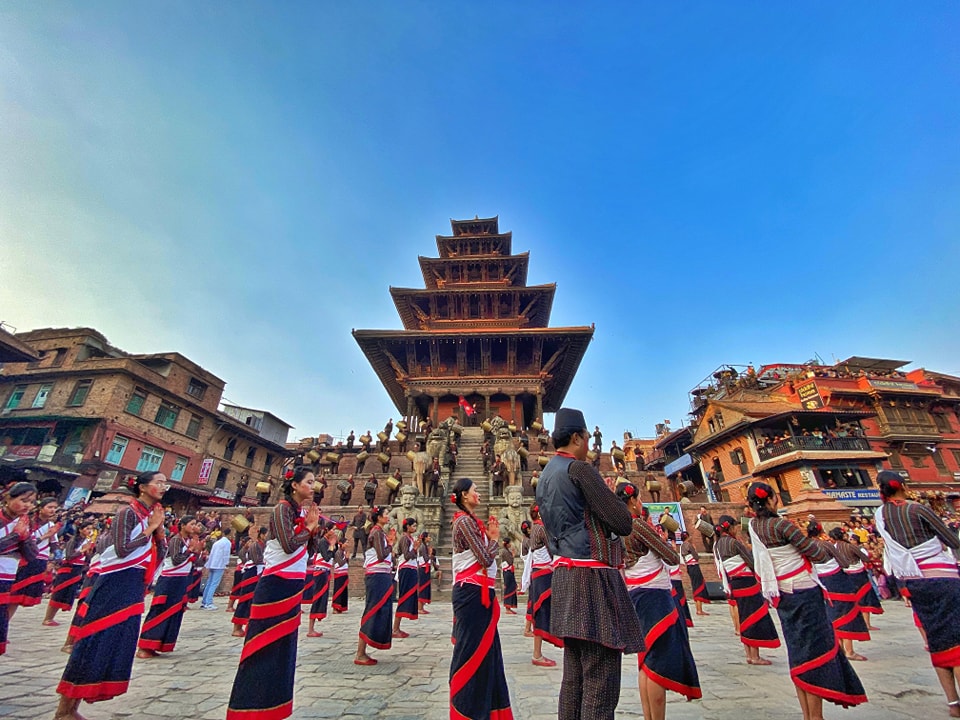
A documentary on mountain communities requires villages that have not been over commercialized by trekking tourism but those that still practice traditional life. A wildlife film requires an environment where the animals are in motion, not park benches with tourist cars. A cultural movie on Newar traditions requires the ancient city areas of Kathmandu, Patan, or Bhaktapur where the traditions are still being followed.
Note down the requirements of each scene prior to proposing any location. That is your scouting brief.
Step 2: Research Before You Travel
In Nepal, good documentary location scouting begins at a desk. Know the terrain and road access with satellite imagery. Watch some of the existing documentaries shot in Nepal and notice where they were shot and why. Find production notes of films that utilized particular areas.
In each possible location, study:
- Access route and realistic travel time with a full crew and equipment
- Type of permit needed to film professionally at that particular location.
- Weather conditions in your intended shoot season.
- Known community sensitivities or restrictions around filming
- Closest accommodation and logistics.
Step 3: Hire a Local Coordinator Before the Scout
This is not a choice. In Nepal, documentary location scouting without a local coordinator implies making decisions based on incomplete information.
Your local coordinator is aware of the roads that can be used after it rains. They understand which village headmen are receptive to documentary crews and which have had negative experiences in the past. They are aware that a specific monastery needs an independent community authorization in addition to the national filming permit. They are aware that there is no reliable mobile signal in a particular mountain valley three weeks in October.
All this is not on a map. It is based on years of on-ground work in Nepal. Recruit your local coordinator. All the other things are based on that decision.
Step 4: The Physical Scout Visit
Once you have your shortlist and your local coordinator, go to the locations. These are what to look at on the ground during documentary location scouting in Nepal.
Light
Go at the very moment of the day you are going to shoot. The light in the morning and midday in Nepal is totally different. Mountain scenes in particular vary with the movement of clouds and the position of the sun. Never rely on the appearance of a location in a travel photograph shot during golden hour when you are planning to shoot there during the middle of the day.
Sound
Listen carefully. Prayer speakers in the local temples, traffic on mountain roads, wind on open passes, noise of rivers in glacial streams, generators in remote lodges. All these influence your audio. Check sound conditions during the same time of day as you are planning to shoot.
Access with equipment
Walk the actual route your crew and kit will take. If your kit includes cinema cameras, sound equipment, and lighting, assess the access path for what that realistically involves. Some locations in Nepal require crossing suspension bridges with weight limits or climbing steep stone stairways with no vehicle access anywhere nearby.
Community attitude
Talk to local people through your coordinator or guide. Some communities are very welcoming to documentary crews. Others have seen productions behave badly in the past and are cautious. Understanding this before your shoot day changes what you can capture and how.
Backup location
Always find a secondary location near each primary choice during documentary location scouting in Nepal. Weather changes fast here. If your mountain location is fogged in on shoot day, you need a confirmed backup you have already assessed, not a guess.
Step 5: Check Permit Status for Every Location
Each location in Nepal carries its own permit situation.
- General public areas need only the national filming permit from the Ministry of Communication and Information Technology
- Heritage sites in the Kathmandu Valley need Department of Archaeology approval
- National parks need separate park filming permits
- Restricted areas like Upper Mustang and Dolpo need special permits through the Ministry of Home Affairs
- Drone filming at any location needs CAAN clearance
When you are scouting the location of a documentary in Nepal, your coordinator will verify the permit status of each of the shortlisted locations and inform you of the schedule and cost before you put it on your schedule. An aesthetically ideal place may extend your pre-production by three to four weeks in case the permit is complicated. Be aware of this in the scout.
Step 6: Document Your Scout Properly
Your scout visit produces a location report, not just a photo album. For each location your report should include:
- Sample photos in various angles at the scheduled shoot time.
- Observations of the quality of light at that hour.
- Sound environment assessment
- Access route information such as time, difficulty, and equipment.
- Status and processing schedule.
- Community contact notes
- Nearest accommodation options
- Any problems identified and the way to resolve them.
Common Mistakes to Avoid while Location Scouting
Documentary location scouting in Nepal trips up many production teams on the same issues.
- Surveying a shoot to be made in the monsoon in a dry season. Seasonal changes in access routes, road conditions, and visual environment are total.
- Choosing sites without verifying permit status. A place where there is no checked permit can slow down your entire schedule.
- Underestimating altitude effects. Above 3,500 meters your crew works slower, eats less, and needs more rest. Make this part of your schedule.
- Ignoring sound. Nepal is not a quiet country in most areas. Unattended audio issues during the scout translate into costly post-production issues.
- Assuming community access. Always come with cameras with permission. Always use your local coordinator to have this conversation.
Frequently Asked Questions
How long does documentary location scouting in Nepal take?
A Kathmandu-focused scout takes a few days. Mountain and remote region scouting needs two to three weeks minimum. Start early.
Do I need a permit just to scout a location in Nepal?
No. Scout visits for research and reference photography do not require a filming permit. The permit is needed when you start professional production filming.
When should documentary location scouting in Nepal begin?
Start at least two to three months before your planned shoot date. Some permit processes take four weeks or more and must begin during pre-production.
Can I scout remotely without visiting Nepal?
Your local coordinator can send reference material for initial shortlisting. But every location on your final schedule should be confirmed with a physical visit before the shoot.
Does Documentary Film Nepal provide location scouting services?
Yes. Documentary Film Nepal handles the full scouting process across all regions of Nepal, from initial research and permit assessment to physical visits, community liaison, and production-ready location reports.
Conclusion
The difference between a production that runs on schedule and one that runs into problems that no one anticipated is documentary location scouting in Nepal. There is incredible story material in all directions of the country. However, to get it right, it takes preparation, local understanding, and a true evaluation of what each place really needs. This guide will help you follow the steps, collaborate with a local coordinator whom you can trust, and your scout will provide you with a production plan that you can actually implement on the day.