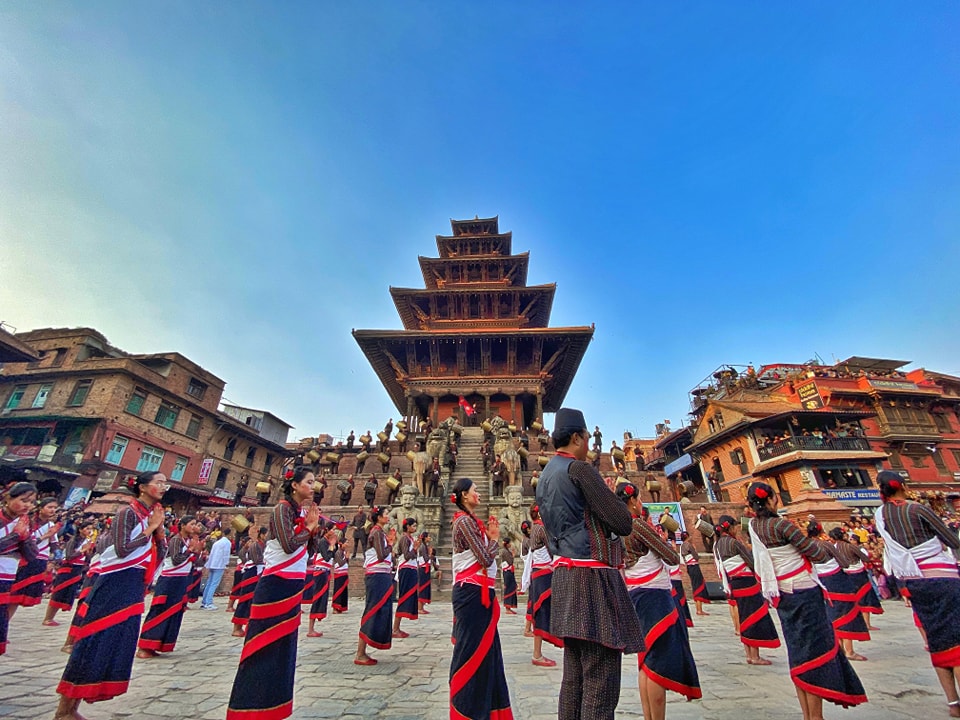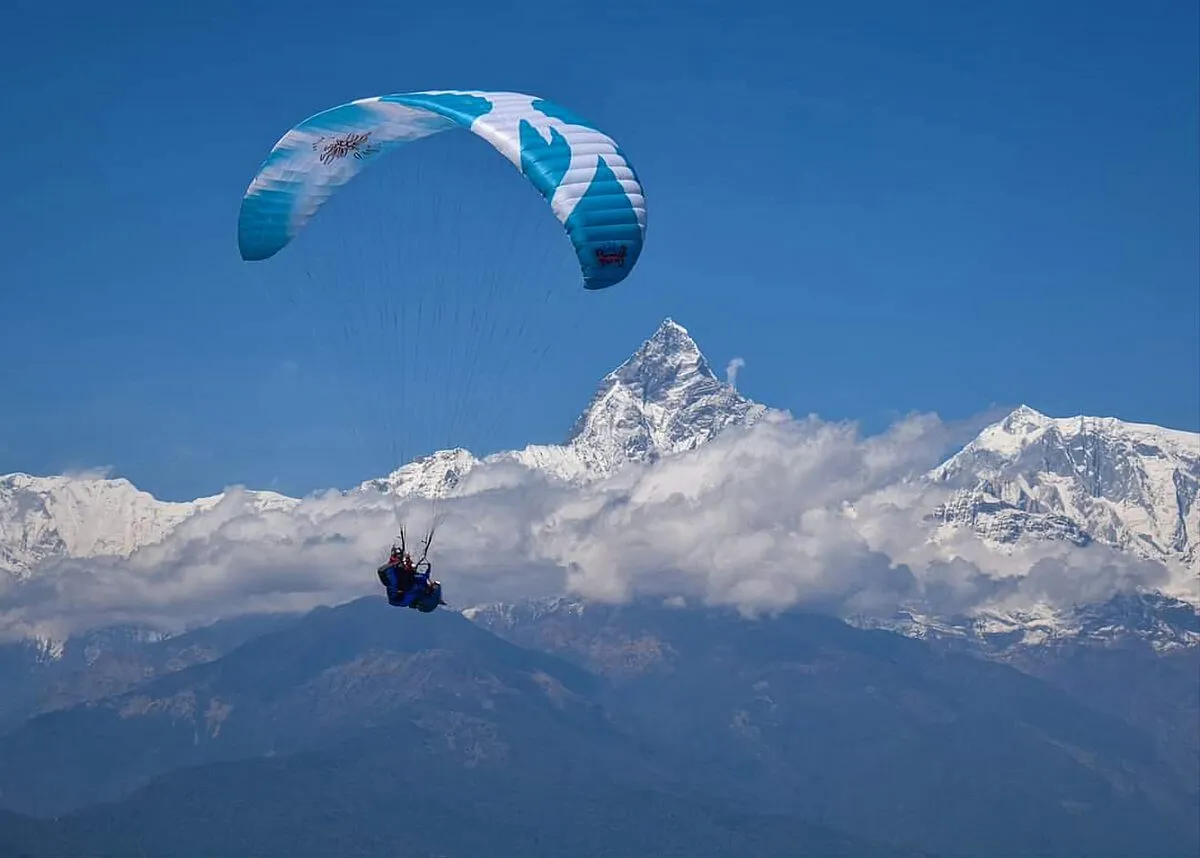
Documentary production services in Nepal provide the necessary legal paperwork, camera equipment, and daily travel plans for foreign film crews. We offer these exact services to help international teams work safely in the high Himalayan mountains and busy city streets. Proper documentary production services in Nepal make sure film directors follow all government rules while getting the video footage they need.
Documentary production services in Nepal
When we run documentary production services in Nepal, we focus on matching international filming habits with the reality of local working conditions. We take care of everything from the early planning stages to solving sudden problems during the actual video shoot.
Documentary film Nepal
Working on a documentary film Nepal requires a deep understanding of the local geography and the people who live there. We handle the daily tasks so foreign directors can pay full attention to the main subject of their video. We hire local people who can translate different Nepali languages into English for the visiting crew. We also schedule early meetings with the people who will appear in the video. Our team plans the exact driving times between different towns so the crew never misses a planned camera shot.
Nepal film production
The daily work of Nepal film production happens in very different physical environments across the country. A crew might film in the flat and hot southern plains one week and the freezing northern mountains the next week. We organize different types of cars and safety gear for each specific region. This careful planning keeps the camera operators safe from bad weather. Moving between these hot and cold zones means the crew needs different clothing and different local guides for each place.
Local fixer roles and ground support
A local fixer acts as the main link between the visiting camera crew and the local Nepali communities. We supply experienced fixers who know exactly how a film set works. These local workers keep the daily schedule moving fast. They pay for all local food and travel costs using cash in Nepalese Rupees. They know the fastest small roads to skip the heavy traffic in Kathmandu. This gives the director much more time to actually record video.
Government permits for documentary production services in Nepal
Securing legal paperwork from the government is a major part of documentary production services in Nepal. We send all the required forms to the Ministry of Information and Communications before the foreign film crew arrives in the country.
National filming permits
Foreign film crews must hold a national filming permit before they can turn on their cameras in public. We help teams fill out this long application. The government needs to read the full script and see a complete list of every single camera and microphone the crew plans to use. Verify before publishing: Current film permit processing fees from the Nepal Film Development Board. Getting these official papers approved early stops the airport police from holding the equipment at customs.
Drone regulations and aerial filming
Flying cameras in the sky requires extra permission from the Civil Aviation Authority of Nepal and the local police stations. We handle this long process so the police do not take the drone away and give the director a large fine. The rules strictly control how high the drone can fly. The government completely bans drone flights over military camps, airports, and old religious temples. A local police officer will often stand next to the drone pilot to watch the flight screen.
National park fees and conservation rules
Recording video inside protected forests like the Sagarmatha National Park or the Annapurna Conservation Area requires extra entry tickets. We add these exact government fees to the early budget plan. This stops the visiting production team from getting surprise bills when they reach the mountain checkpoints. Every single person on the crew needs their own printed ticket to walk past the gates.
Equipment and crew for documentary production services in Nepal
Renting heavy gear and hiring local workers is a central part of documentary production services in Nepal. We partner with reliable equipment rental shops and trained film workers who live in Kathmandu.
Camera and lighting gear availability
Kathmandu has many rental shops that supply heavy metal tripods, large lights, and basic video cameras. We advise foreign teams to rent heavy items locally. This saves a lot of money on airline baggage fees. However, visiting crews need to pack their own custom microphones and rare camera lenses. All local equipment plugs into standard 220V power outlets. We supply the right physical wall adapters so the crew can charge their large batteries every night.
Hiring local sound operators and technicians
Adding local Nepali technicians to the main crew speeds up the daily work. We find trained sound recordists and data managers who have worked on large international television shows. These local workers know how to record clean audio in very loud city markets. They also help translate directions to local people standing near the camera. Paying standard daily wages to these skilled local workers directly helps the local film economy grow.
Transport logistics for film crews
Moving expensive camera boxes across rough roads requires very careful daily planning. We rent strong four-wheel-drive trucks to drive on dirt roads full of deep mud. For distant mountain towns like Lukla, we buy tickets on small domestic airplanes. These small airplanes have a strict weight limit of 15 kilograms per person. We weigh every single camera bag to make sure the airline accepts the boxes. When the dirt roads finally end, we hire local porters to carry the heavy cases on their backs.
Weather conditions affecting documentary production services in Nepal
Planning around the local weather is highly important for documentary production services in Nepal. We study the local seasons to find the safest time of year to shoot outdoor videos.
High altitude filming considerations
Filming in mountain towns above 3,000 meters causes altitude sickness for humans and very fast battery drain for cameras. We force the film crew to follow a slow climbing schedule. The human body needs several days to adjust to the thin air. We always carry large medical kits and portable oxygen bottles when working up high. The freezing air also forces the camera operators to keep spare batteries inside their warm jackets until the exact moment they start filming.
Seasonal climate impacts on production
The heavy monsoon rain falls from June to August. This rain turns mountain roads into thick mud and blocks the sunlight. We tell foreign directors to plan their travel during the dry months of October, November, March, or April. These dry months offer clear blue skies and safe walking trails. Working in the deep winter months of December and January is possible. However, the crew will need to buy very heavy sleeping bags and thick winter coats to survive the freezing nights.
Dealing with mountain dust and equipment protection
Foreign crews usually pack too many heavy winter coats for the mountains but forget about the thick dust on the lower dirt trails. We notice that breathing problems and jammed camera focus rings caused by trail dust ruin more film shoots than cold weather. Buying thick face masks for the crew and wrapping camera bodies in plastic tape will save many hours of lost filming time.
Data management for documentary production services in Nepal
Keeping video files safe is a silent requirement for documentary production services in Nepal. We build strict rules for saving data because mountain villages often lose their electricity.
Secure data backup on location
Losing raw video footage is the worst thing that can happen on a shoot. We force the data manager to copy the video files to three separate hard drives every single night. We pack these three hard drives into three different bags during the day. If a porter drops one bag in a river, the team still has the other two copies. The team only deletes the original camera memory cards after they check all three backup drives on a computer screen.
Power stability and internet access
Many high mountain tea houses use small solar panels. These small panels do not produce enough electricity to charge large video camera batteries. We carry large portable power blocks to keep the gear running for days. Internet speed in these remote villages is too slow to send large video files to other countries. If the director needs to send footage quickly, we hire a local runner to physically carry the hard drives down the mountain to a faster internet connection.
Local editing and post-production spaces
Many directors want to watch their video footage on a large screen before they fly home. We rent quiet office rooms in Kathmandu that have fast fiber internet and large backup power generators. The director can sit in these rooms and start cutting the story together. If they notice a missing piece of the story, they still have time to go outside and film one more interview. Using fast local computers means the team does not have to carry heavy editing laptops on the airplanes.
Cultural rules for documentary production services in Nepal
Respecting local religious habits is a strict part of documentary production services in Nepal. We teach the foreign film crews exactly how to act so they do not upset the local people.
Navigating religious sites and temples
If you’re filming in active Hindu temples or Buddhist spaces, get clear permission and be polite. We tell the crew to remove their leather shoes and wear shirts that cover the shoulders. If a local priest says no, they must never aim a camera at holy objects. These simple steps will keep the local community happy, and the police will not ask the crew to leave. We also ensure that the camera tripods do not obstruct the paths that the locals walk on to pray.
Obtaining informed consent from local subjects
We make sure local people completely understand the video project before the camera starts recording. We use our translators to tell them exactly where the video will play on television. We then ask them to say yes on camera or sign a simple paper form. This honest method makes the local subjects feel safe. They usually speak much more freely during the interview when they know the truth. We never push a person to talk if they want to stay quiet.
Minimizing environmental impact during shoots
Large film crews create a lot of trash. We force the crew to carry all their empty plastic water bottles and dead batteries back to the city. Leaving the dirt trail exactly as clean as we found it is a strict rule. This guarantees that local villages will welcome other film crews in the future. We also ask our local camp cooks to buy fresh vegetables from the nearby farms. This reduces the amount of plastic packaging the crew brings into the forest.
Frequently asked questions
How long does a national filming permit take to process?
The government takes about two to three weeks to print a national filming permit. If you want to fly a drone, you must wait another two weeks for the extra police paperwork.
Do we have to pay a government officer to travel with us?
Yes, the rules require a government liaison officer to follow foreign film crews. The film budget pays for this officer’s daily food, travel tickets, and sleeping rooms.
Can we bring our own cameras into the local airport?
Foreign crews can carry their own cameras, but they must show a customs carnet document. We wait at the airport to help the crew show this paper and skip paying large import taxes.
What money should we use for daily food and travel?
All daily items like local food, truck fuel, and porter wages use Nepalese Rupees. We manage this local cash so the foreign crew does not have to carry thick stacks of paper money.
Conclusion
Good documentary production services in Nepal remove the stress of heavy government rules, hard travel, and broken equipment. We handle the strict paperwork and the daily local payments so foreign film crews can just focus on recording real stories. By respecting local people and planning for bad mountain weather, we make sure every documentary film finishes safely and legally.