Nepal is one of those places where every single corner looks like it was made for the camera. Ancient temples, high mountain passes, rice terraces, jungle borders, old brick cities, all of it sits inside one small country. That is exactly why film location scouting in Nepal has become serious work over the last decade. Production teams from all over the world are coming here now. They need the right locations, the right permits, and the right local knowledge before they can shoot a single frame. This article explains how film location scouting in Nepal works and why it matters so much.
What Is Film Location Scouting and Why Does Nepal Need It
Film location scouting is the process of finding and preparing the right places before a film crew arrives. It sounds simple but it is not. A location scout visits dozens of spots before recommending even one. They check lighting at different times of day. They check access roads. They check permit requirements. They check whether local communities are comfortable with filming nearby.
Nepal makes this work both exciting and complicated. The country has extreme variety in a very small area. You can film a jungle scene in Chitwan and a high-altitude monastery scene in Mustang and both locations are inside the same country. That variety is rare. But it also means the logistical challenges are real.
Why Location Scouts Work Months Before the Crew Arrives
A production team cannot just land in Kathmandu and start filming. Things don’t work that way here. Location scouts come months before the shoot for very specific reasons.
- It takes time to process permits in Nepal. Some areas that are off-limits, like Upper Mustang, need special government permits that can take weeks to get.
- Weather windows are very important. From June to September, the monsoon season is in full swing. At this time of year, many places in the mountains are hard to get to.
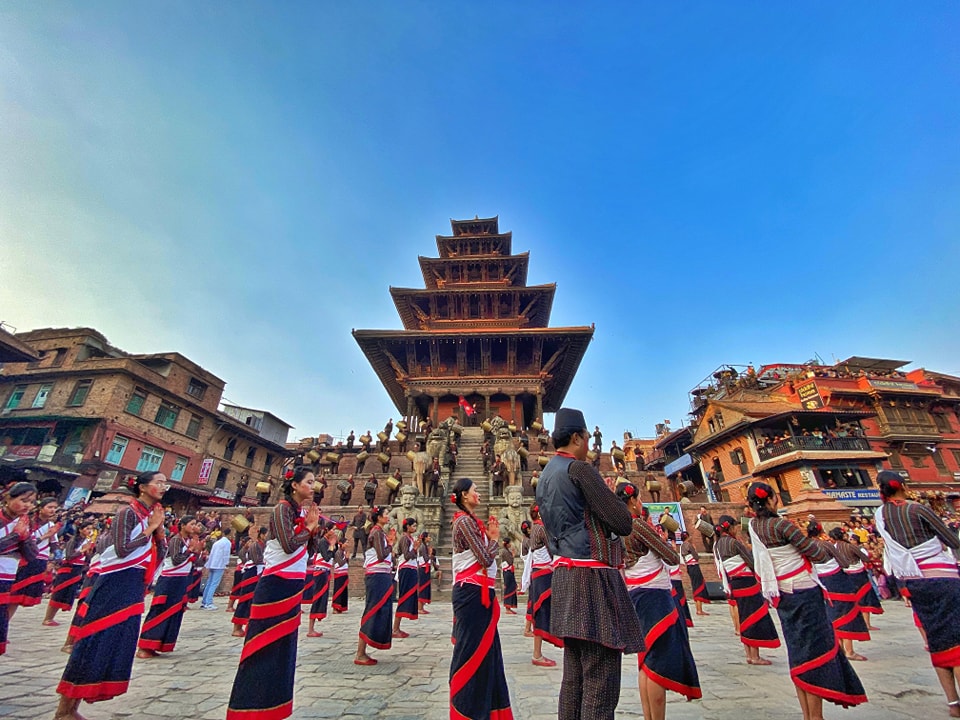
- The dates of local festivals affect availability.The dates of local festivals affect availability. It looks amazing to film inside Bhaktapur during Bisket Jatra, but it also means big crowds and closed roads.It looks amazing to film inside Bhaktapur during Bisket Jatra, but it also means big crowds and closed roads.
- Some locations need community permission on top of government permits. Villages in remote areas have their own rules about outsiders filming there.
What a Location Scout Actually Does on the Ground
When a scout arrives in Nepal, the work starts immediately. They do not sit in an office looking at Google Maps. They go out.
- They drive to locations and walk the actual ground
- They photograph the same spot at sunrise, midday, and sunset
- They talk to local people and ask about seasonal changes
- They check mobile signal and power availability for the crew
- They note distances between locations to plan shooting schedules
- They identify backup locations in case the first choice falls through
This groundwork is what makes or breaks a production schedule later.
The Best Film Locations in Nepal and What Makes Them Work on Camera
Nepal has dozens of locations that work well on film. The challenge is knowing which one fits which kind of production. Film location scouting in Nepal is really about matching the location to the story.
Kathmandu Valley for Historical and Cultural Productions
Most location scouts who work on heritage or historical productions start their search in the three old cities of Kathmandu, Patan, and Bhaktapur.
Of the three, Bhaktapur is the most visually intact. The streets made of bricks are narrow. The wooden architecture has a lot of detail. In the older parts of the city, there are no modern buildings that break up the frame. This city saves a lot of money on production costs for period films and cultural documentaries because the set is already there.
The monastery courtyards and metalwork districts in Patan are very pretty. Once cinematographers have seen it, they talk about the morning light in Patan’s back lanes. Kathmandu has a lot of great things to see and do, like the Pashupatinath Temple, the Bagmati River ghats, and the Boudhanath Stupa, which are all close to each other.
The Himalayan Regions for High Altitude and Adventure Productions
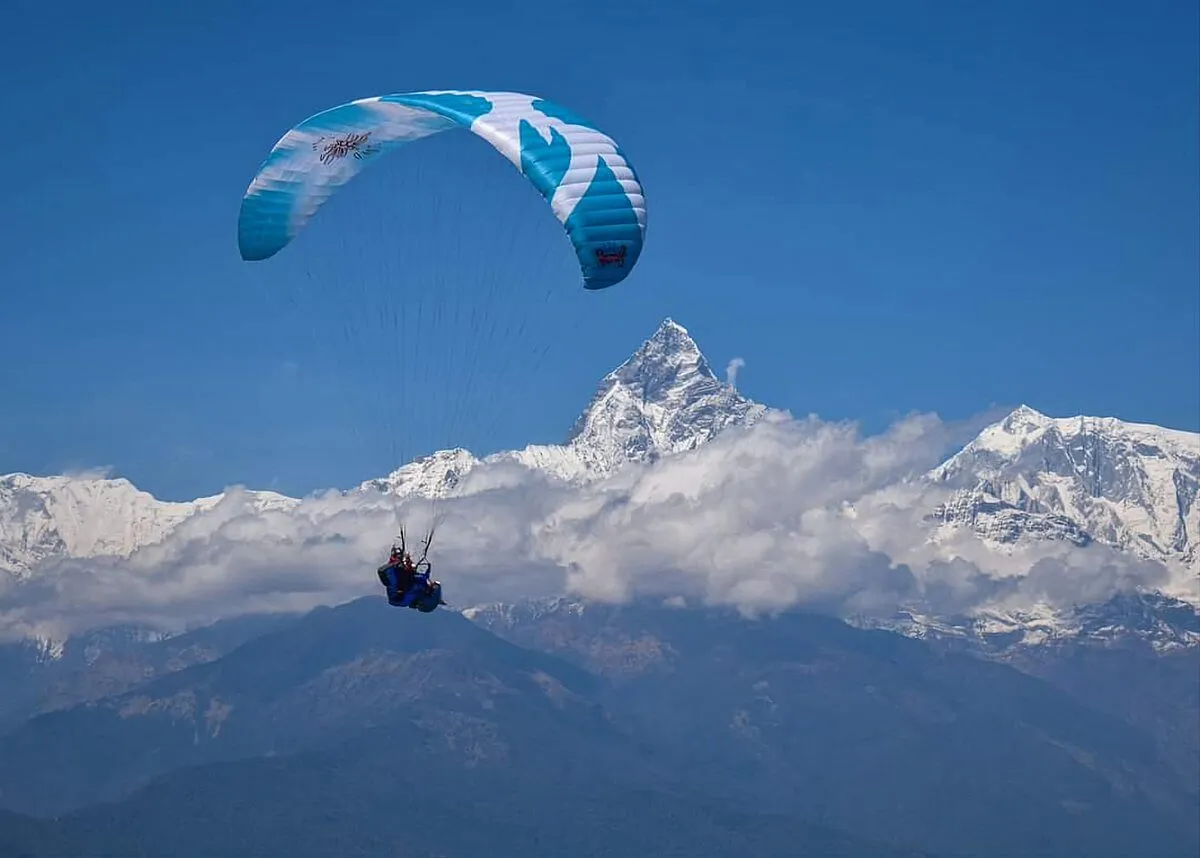
Productions that need dramatic mountain landscapes come to the Khumbu region, the Annapurna Circuit, or the Langtang Valley. Each area offers something different.
- Khumbu gives you Everest in the background and Sherpa village life in the foreground
- Annapurna Circuit has varied terrain, from subtropical forests to alpine meadows to barren high passes
- Langtang is closer to Kathmandu and easier to reach, which helps with production budgets
The challenge with all mountain locations is altitude and weather. Location scouts in these areas spend extra time checking helicopter landing options in case a crew member needs evacuation. That is not pessimism. It is standard practice.
Chitwan and Bardia for Jungle and Wildlife Scenes
Southern Nepal sits on the edge of the Terai plains. Chitwan National Park and Bardia National Park both offer genuine jungle environments with rhinos, elephants, tigers, and dense forest.
Productions that need South Asian jungle footage often come here instead of going to India or Sri Lanka because costs are lower and permits are easier to arrange. The landscape looks wild because it actually is wild.
Mustang and Dolpo for Remote Himalayan Kingdom Scenes
Upper Mustang and the Dolpo region look unlike anywhere else in Nepal. The landscape is dry, high altitude, and almost otherworldly. Lo Manthang, the walled city of Upper Mustang, has been used as a filming location for documentary productions covering Tibetan Buddhist culture and ancient Himalayan kingdoms.
Dolpo is even more remote. It sits in western Nepal and borders Tibet. The people there follow a Bon Buddhist tradition that predates Tibetan Buddhism. Very few productions make it this far, but the ones that do come back with footage that no other location in the world can provide.
Why Choose Documentary Film Nepal for Film Location Scouting
Documentary Film Nepal is a production company based in Kathmandu that specializes in film location scouting across Nepal. They have been working with international and local production teams for years and they know this country in a way that visiting scouts simply cannot match.
Here is what they actually bring to a production:
- Local knowledge that saves time. Their team knows which locations work in which season, which villages require separate community permissions, and which roads are passable after rain. This is not knowledge you can get from a map.
- Permit handling from start to finish. Government permits, restricted area permits, national park filming permits, and community approvals are all handled by their team. This alone removes weeks of uncertainty from a production schedule.
- Pre-scouted location libraries. They have already photographed and documented hundreds of locations across Nepal. A production team can review options before even arriving in the country.
- On-ground support during the shoot. Their team stays with the production during filming. If a location becomes unavailable at the last minute, they already have a backup ready.
- Connections with local communities. Years of working in the same regions means they have genuine relationships with village leaders, temple priests, and local authorities. This makes access smoother and keeps productions respectful of the places they film in.
For any production doing film location scouting in Nepal, working with a company that already has deep roots here is not a luxury. It is a practical decision that affects the entire shoot.
Conclusion
Film location scouting in Nepal is serious, skilled work. Nepal offers more visual variety per square kilometer than almost any other country in the world. But that variety comes with real logistical challenges that need local knowledge to navigate properly. The right scout, the right permits, and the right local partners make the difference between a smooth production and a costly mess. Whether you are making a heritage documentary, a feature film, a commercial, or a travel series, Nepal has locations that will make your production stand out. Start the scouting process early, work with people who know the country well, and Nepal will give you exactly what you came for.