If you are searching for a filming location in Pokhara, you already know Pokhara is beautiful city. But beauty isn’t enough when you have a crew, heavy cameras, and a schedule to keep. You need to know where and how to get there, and what makes a spot worth your time as a filming location in Pokhara.
Pokhara is a huge natural movie set. You have huge mountains, quiet lakes, and busy streets all within a 20-minute drive. Here is everything you need to know about shooting here in a simple, no-nonsense way.
Why Pokhara is a Great Place to Film
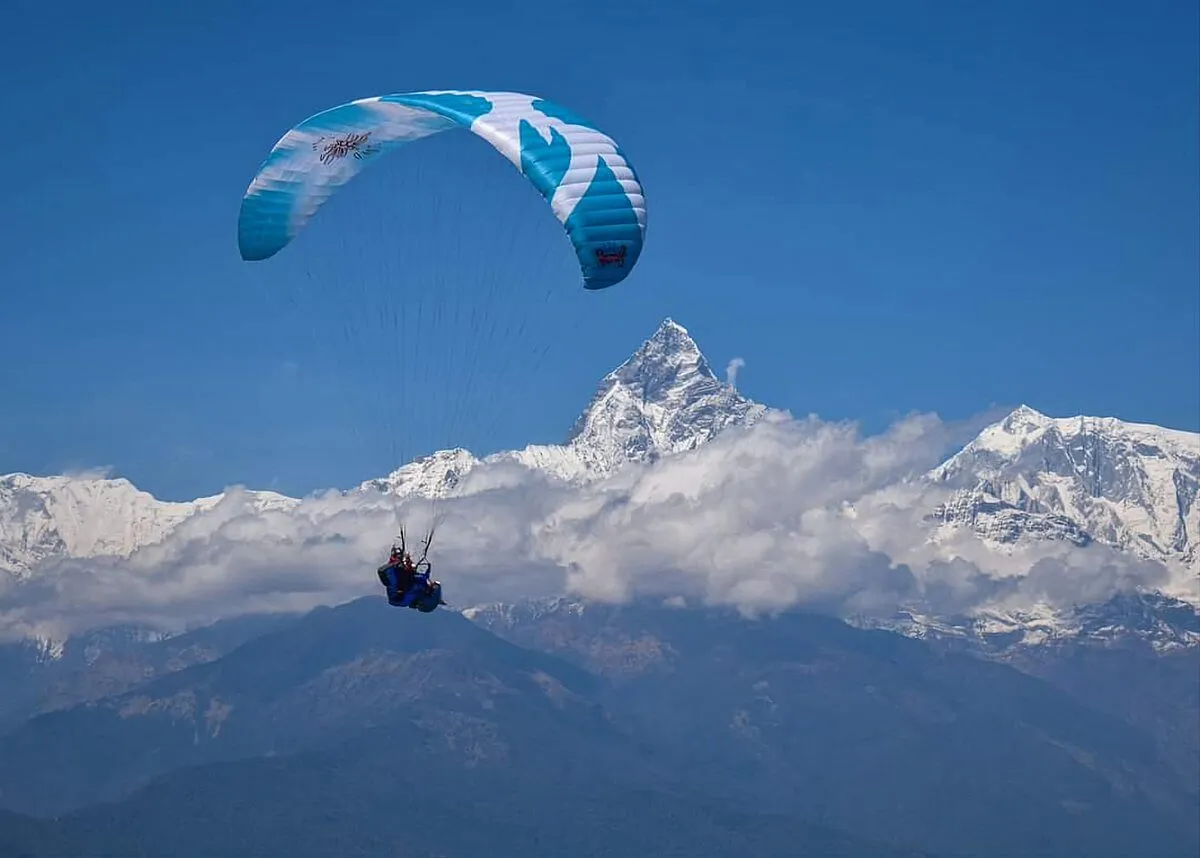
Many filmmakers prefer Pokhara because it’s straightforward and convenient. In Kathmandu, you have to contend with heavy traffic and dust everywhere. Up in the high mountains, altitude sickness becomes a real issue. Pokhara strikes the perfect balance. It offers stunning Himalayan vistas (Annapurna and Machhapuchhre) while still providing comfortable hotels and well-paved roads.
The light here is exceptionally clear too. With its fresh, clean air, colors appear vibrant and true on camera, requiring far less correction during post-production.
Best Filming Locations in Pokhara
You don’t need a hundred spots. You just need the right ones. Here are the top filming location in Pokhara options:
1. Phewa Lake
Phewa Lake is the most famous filming location in Pokhara. The water is calm, and you can get great shots of the mountains reflecting in the lake.
- Best for: Cinematic reflections, romantic, wide vistas.
- Timing: Go at 6:00 AM. The water is like a mirror, and there are fewer tourists.
2. Sarangkot Hill
If you want a big shot that shows the whole valley and the snowy peaks, Sarangkot is the spot. It’s the best Sarangkot filming spot for sunrise..
3. Pame (Upper Lakeside)
If your script needs a rural look-like green rice fields, buffaloes, and dirt roads-drive 15 minutes past the main Lakeside area to Pame. It looks like the deep countryside but is very close to your hotel.
4. The Old City (Purano Bazar)
Most people stay in the tourist area, but the Old Pokhara has red-brick houses and old temple architecture. It feels more real and less like a vacation spot. It’s perfect for documentaries or cultural films.
5. Davis Falls and Caves
If you need a darker, more dramatic look, the caves and waterfalls are great. Just be careful with your gear-it gets very damp and misty inside, which can be tough on electronics.
Rules and Permits for Filming in Pokhara
You can’t just start filming with a big crew without permission. If you are a small vlogger with a phone, you’re usually fine. But for professional shoots, keep these three things in mind:
- National Permit: You need a permit from the Ministry in Kathmandu first.
- Drones: Nepal has strict drone laws. You need a permit from the Civil Aviation Authority. Don’t fly near the airport!
- Local Fees: Some spots, like the World Peace Pagoda, might ask for a small local entrance fee for commercial cameras.
The Best Time to Plan Your Shoot
Avoid scheduling your production between June and August. The monsoon season brings heavy cloud cover and persistent downpours, which effectively erases the mountain skyline from your frame.
The best time for a film shooting in Pokhara is from October to December. The sky is deep blue, the mountains are white, and the weather is perfect for standing outside all day with a camera.
Conclusion
Pokhara is a friendly city. If you treat the locals with respect and ask before filming someone’s house or shop, people are usually very happy to help you out. It’s a relaxed place, so don’t rush-the best shots happen when you take your time.
In conclusion, Pokhara wins out because it offers a rare mix of variety and convenience. You have these massive, cinematic views that are surprisingly easy to reach, meaning you can spend less time on logistics and more time capturing the perfect shot.