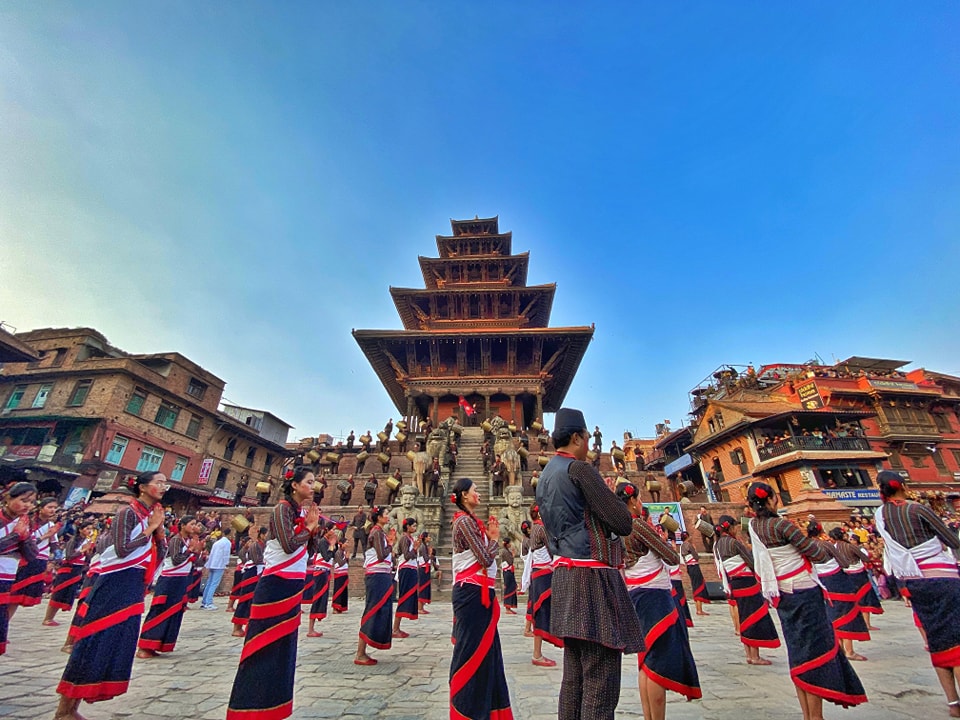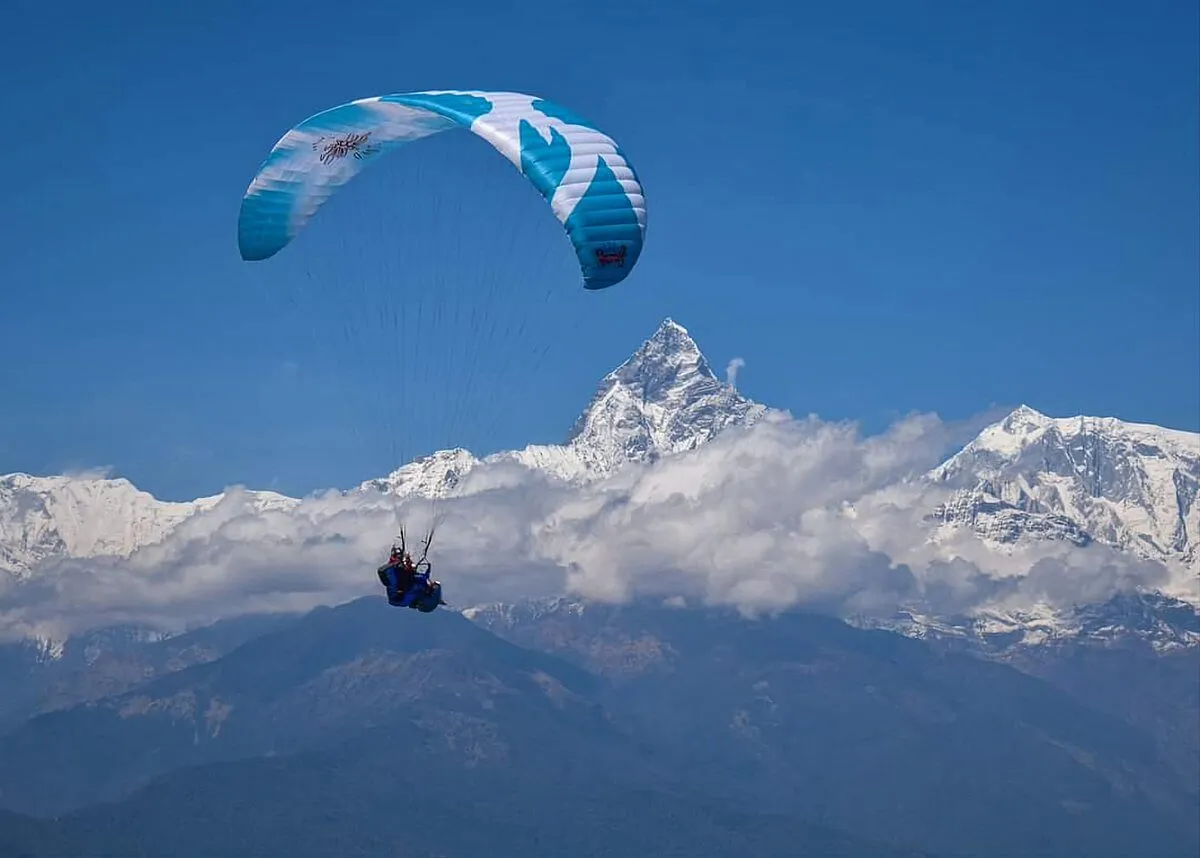
Nepal is a land of stories that truly matter. Every year more people come here to capture the intersection of mountain life and human resilience. Visual storytelling has the power to change how the world sees a community. In our fast moving world people want to see real faces and real struggles. This makes Nepal a perfect place for meaningful media projects. Filming for social impact documentary in Nepal allows you to highlight local issues for a global audience. This guide explains how to plan your shoot and find the best local partners for success.
Defining Social Impact Documentaries in the Nepali Context
Social impact filmmaking is about much more than just taking pictures. It is about using a camera to advocate for change and help people in need. These films often focus on big goals like the UN Sustainable Development Goals.
What is Social Impact Filmmaking
This style of film moves away from just observing a situation. It focuses on finding solutions and giving a voice to the people who are often ignored. It is an active way to tell a story that helps a specific cause or community.
Key Themes for Filming for Social Impact Documentary in Nepal
There are many important stories waiting to be told in these mountains. You can focus on several key areas that need international attention.
- Climate Change: You can document how melting glaciers affect the daily lives of Sherpa communities.
- Education and Gender Equality: Many projects look at how rural schools are helping girls in the hills.
- Heritage Conservation: This involves filming the slow work of restoring ancient sites after the earthquake.
- Healthcare Access: Stories of remote clinics and flying doctors show how people survive in difficult places.
Top Locations for Filming for Social Impact Documentary in Nepal
Finding the right spot is the key to successful location scouting in Nepal. Your location will define the look and feel of your entire story. These are the top 4 locations for Filming for social impact documentary in Nepal:
1. The Kathmandu Valley
This urban area shows the contrast between old traditions and new growth. It is where you can find many NGOs and government experts for your interviews. It is also the main hub for managing filming logistics in Kathmandu.
2. The Solu Khumbu Region
This is the heart of the high mountains where climate change is most visible. It shows the human cost of environmental shifts at very high altitudes.
3. The Terai Plains
The flat lands of the south offer stories about human and wildlife conflict. You can also document the lives of migrant laborers and how their work affects their families back home.
4. Remote Western Nepal
Areas like Upper Mustang and Dolpa are perfect for humanitarian filmmaking. These places hold vanishing cultures that few people have ever seen on a screen.
Why Your Project Needs Documentary Film Nepal
Documentary Film Nepal is the top local agency for international film teams. Trying to film on your own in a foreign country is a big risk. Professional fixing services for filmmakers make the whole process much safer and faster. The documentary Film Nepal can helps in the Filming for social impact documentary in Nepal.
Comprehensive Fixing and Scouting Services
The team at Documentary Film Nepal finds story rich spots that are not on any map. They also make sure your characters are treated fairly and that your story stays ethical. This helps you build trust with the people you are filming.
Navigating the Red Tape
This agency handles all the difficult permits for the government and national parks. They also manage the gear documents like the Carnet de Passages for your cameras. This means you do not have to worry about your equipment being held at the airport.
Navigating Legalities: Film Permits and Regulations in Nepal
Getting the right Nepal film permits is a legal requirement for every project. You cannot just arrive and start shooting without the proper papers.
The National Film Permit
You must get permission from the Ministry of Communication and Information Technology. The government will also assign a liaison officer to your crew. This person stays with you to make sure you follow all the local laws.
Special Area Permits for Filming for Social Impact Documentary in Nepal
National parks like Sagarmatha and Annapurna need their own special access papers. Restricted areas like Upper Mustang have much higher fees and take longer to process. Drone filming is also very strict and requires a three tier approval from the civil aviation authority.
Logistics: Moving Gear and Crew Across Difficult Terrain
Managing documentary production services Nepal involves a lot of movement. The mountains make it very hard to move heavy gear from one place to another.
Transportation Challenges in the Himalayas
You might need to take small flights to dangerous airports like Lukla. For the middle hills you will often use 4×4 Jeeps to cross muddy roads. In the high mountains you may even need porters or yaks to carry your cinema cameras and tripods.
Equipment Management
High humidity in the plains and heavy dust in the mountains can ruin a camera. You must bring proper cleaning kits and protective covers for every lens. Power is also a problem so you should use solar chargers or portable generators in small villages.
Crew Health and Safety
High altitude sickness is a real danger for anyone filming in the Himalayas. You must have a clear plan for medical emergencies and altitude protocols. Carrying a satellite phone is a smart move when you are far from a cell tower.
Ethical Considerations When Filming for Social Impact Documentary in Nepal
Ethics are the foundation of good NGO storytelling. You must treat every subject as a person and not just a character in your film.
Informed Consent and Cultural Sensitivity
Always use a translator who speaks the local dialect like Maithili or Newari. You must explain exactly what your film is about before you start rolling. Avoiding the savior narrative is the best way to keep your story honest and respectful.
Giving Back to the Community
Documentary Film Nepal ensures that local people benefit from your production. This includes hiring local staff and paying everyone a fair wage for their work. Using sustainable practices also helps protect the beautiful environment where you are working.
Streamlining Production with Documentary Film Nepal
Using a local partner helps you stay on budget and on schedule. They understand the local pace of life better than anyone else.
Tailored Logistics for Social Impact Teams
They can help you plan a budget whether you have a small two person crew or a large team. They also find local food and places to stay that help the local economy.
Post Production Support and Local Insights
They can find authentic music or old footage to make your film feel real. They also provide translation services for many different languages and dialects. This ensures your final product is accurate for a global audience.
Challenges You Will Face
The weather is your biggest challenge because the monsoon can stop your work for weeks. Language is also difficult because there are over 120 different dialects spoken in Nepal. Some remote areas do not have internet which makes it hard to back up your files. Documentary Film Nepal helps you solve these problems before they even happen.
Conclusion
Filming for social impact documentary in Nepal is a chance to tell a story that changes lives. These films help bring international aid and better rules to people who need them. Media is a powerful tool for driving real policy change and global awareness. Working in the mountains is never easy but it is always worth the effort. You should always work with a trusted local partner to ensure your project succeeds. Partner with Documentary Film Nepal to turn your important vision into a professional reality that leaves a lasting impact.