A documentary interview is when real people are filmed telling their true stories for a non-fiction film. We had to get official government filming permits and really gain real trust with local villagers to get these honest moments. Knowing exactly how to conduct documentary interviews in Nepal helps filmmakers record professional audio and video while strictly following local laws.
Legal rules for filming in Nepal
Foreign filmmakers face strict government rules before they can even turn on their cameras. We have to understand how to conduct documentary interviews in Nepal legally so the local police do not cancel our project or take our tools. We finish filling out all our legal paperwork many weeks before we buy our airplane tickets to Kathmandu.
Getting the national film permit
We read the documentary filming guidelines in Nepal to prepare the correct papers for the Ministry of Information and Communications. We give them a clear story summary, a daily travel schedule, and printed passport copies of every person on our crew. The government charges a set fee for foreign media teams to work inside the country. We also pay for a local government liaison officer to travel with us if our crew is very large.
Applying for drone flight permissions
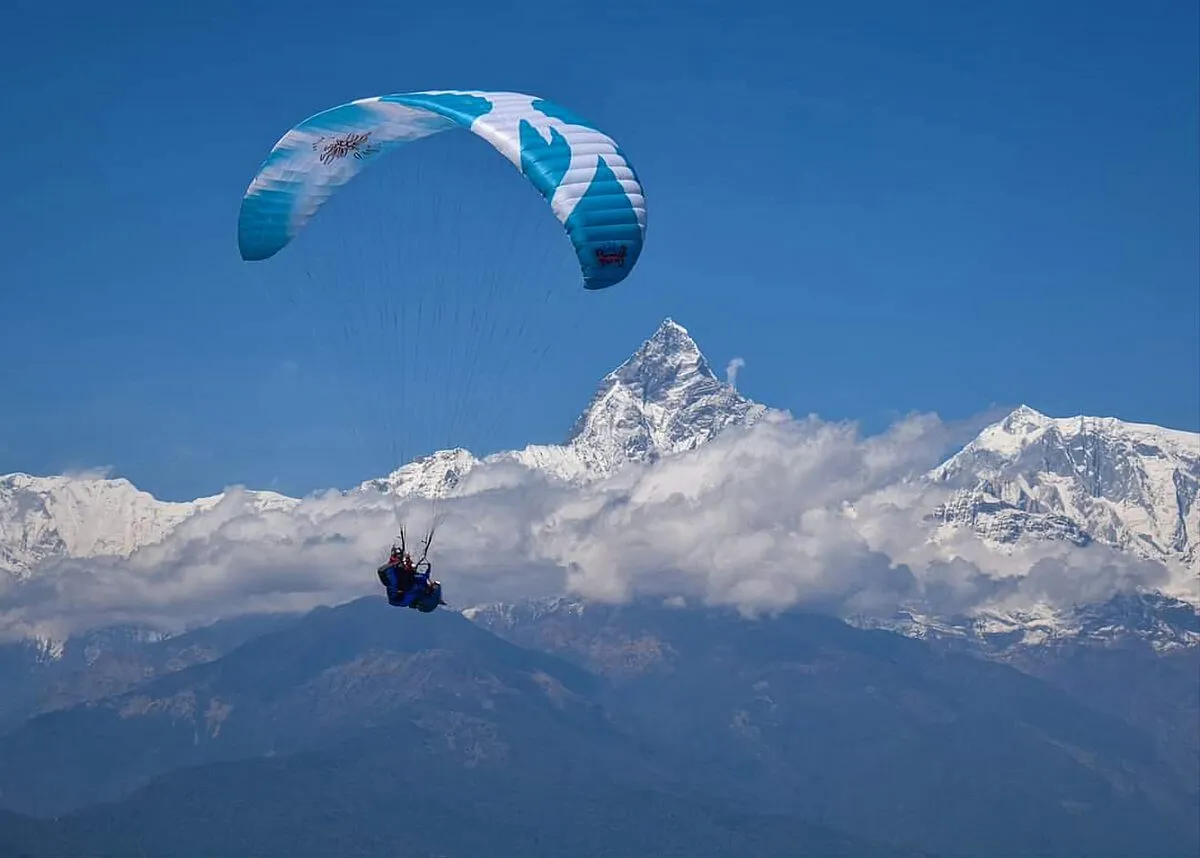
We like to record video from the sky to show the big mountains and village landscapes. Flying a camera drone needs written approval from the Civil Aviation Authority of Nepal, the local district police, and the town ward office. We share our exact flight dates and GPS maps with all these offices early in the morning. The local police will take our drone away immediately if we fly it without holding these printed papers in our hands.
Paying location fees for heritage sites
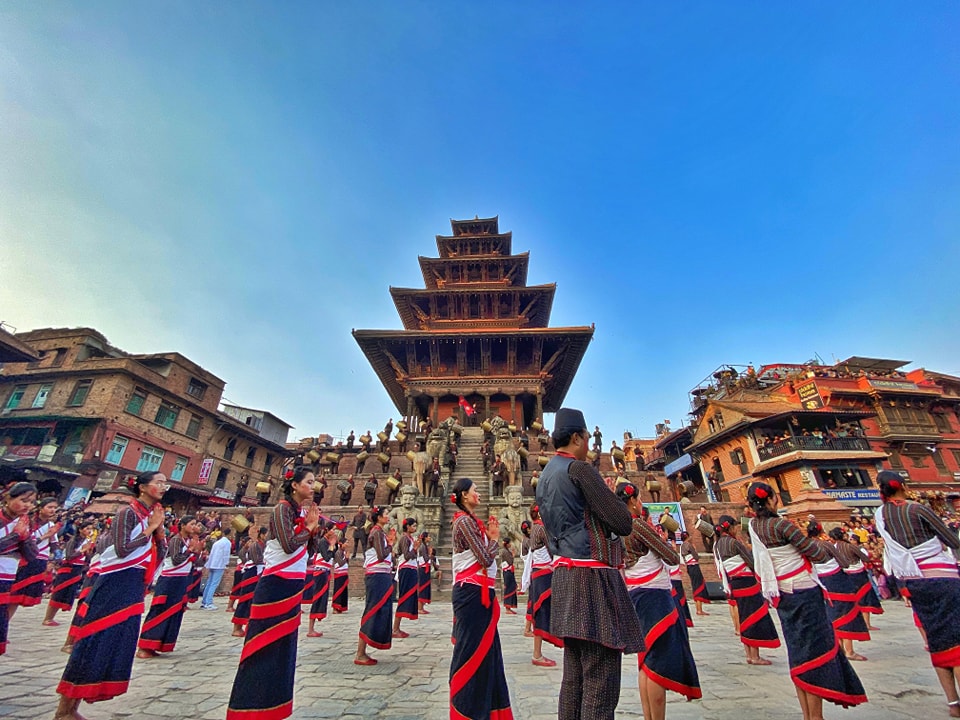
Many movie directors want to record inside the old temple squares in the Kathmandu Valley. Local ward offices and the national Department of Archaeology control these beautiful historic places. We pay a daily cash fee to the local ward office and keep the paper receipt in our pockets all day long. We always make sure our big cameras and heavy light stands do not block local people who are walking or praying.
Pre-production steps for documentary projects
We save a lot of money and time when we plan exactly how to conduct documentary interviews in Nepal before we meet the actual subjects. Good planning stops us from making simple mistakes on the dirty mountain roads. We figure out our travel maps and interview topics before leaving our office.
Hiring local fixers and translators
We need a local expert who speaks the regional language and knows the deep village culture. We hire local fixers to book our safe hotels, rent our strong jeeps, and translate our interview questions. They help us ask sensitive things in a way that makes complete sense to the local people. This keeps the true meaning of our story safe and makes the guests feel very respected.
Researching the topic and subjects
We read old local news reports and history books about our topic for many weeks before we travel. We talk to our local friends on the phone to learn about the daily lives and hard work of our interview guests. This deep research helps us ask much better questions instead of basic facts we can just find online. The guests feel very happy and talk more openly when they see we really care about their personal lives.
Setting the daily filming schedule
Driving up into the mountain villages takes a very long time because the dirt roads are rough and narrow. We plan only two big interviews each day so we have enough time to set up our lights and cameras perfectly. We add extra hours to our daily schedule just in case heavy rain falls or a car tire goes flat. We always start filming very early in the morning to catch the soft sunlight.
Camera and interview techniques
Our team uses basic camera skills and very good manners to make local people feel highly comfortable. Learning how to conduct documentary interviews in Nepal properly gives us clear voice audio and beautiful video colors. We want the person to feel like they are just talking to an old friend.
Breaking the ice with guests
We never point a big camera at someone as soon as we walk into their house. We sit down on the floor, drink hot milk tea, and talk about normal things like the weather or farming first. This slow start helps the person relax and completely forget about the scary video equipment in the room. We tell them exactly what television channel will play the video so they feel totally safe talking to us.
Asking open questions
We want the person to tell long, detailed stories instead of just saying a simple yes or no to our faces. We ask them to talk about their childhood memories or explain how they cook their daily food. If they say something very interesting, we stop and ask them to tell us more about that exact thing. We politely remind them to use our question in their answer so the video makes complete sense to the viewers later.
Framing the video shot
We put the main camera in a spot that places the person’s eyes near the top line of the screen. We leave empty space on the side of the screen where they are looking with their eyes. Sometimes we use a second small camera to record their dirty hands moving or their feet walking. This standard camera trick makes the video look very clean and helps the movie editor cut the film easily.
Equipment planning for remote villages
We carry strong and light gear because the mountain weather changes from hot sun to cold rain very fast. The big secret to How to conduct documentary interviews in Nepal is packing simple tools that survive heavy dirt, high wind, and muddy water. We leave our heaviest tools at home.
Picking the right camera bodies
We use small mirrorless cameras that fit easily inside normal hiking backpacks. Big television cameras are way too heavy for steep walking paths, and they attract too many people in the busy market areas. We put metal cages on our cameras to keep them totally safe if they hit a hard rock or drop on the floor. We bring very fast memory cards so the video records smoothly without any freezing.
Lighting the indoor rooms
Village houses made of mud and brick usually have very small windows that block the sun. We bring small light panels that run on batteries because we cannot always find a working wall plug in the room. We point the light at the ceiling to bounce it down and make it look soft on the person’s tired face. We make sure our battery lights match the exact color of the natural sun outside.
Keeping batteries charged
We charge every single battery late at night because the village power can turn off at any time without warning. We carry fold-out solar panels to get power from the sun when we walk far away from the main towns. We sleep with our spare batteries inside our warm sleeping bags because cold, freezing weather makes them die very quickly. We never want to stop a great story just because a camera battery runs out of juice.
Storing data and handling media safely
We protect our raw video files and respect the legal rights of our local guests long after we finish filming. Knowing How to conduct documentary interviews in Nepal means finishing the data backup correctly every single night. We do not go to sleep until every file is safe.
Signing the legal release papers
We bring paper forms printed in the Nepali language for everyone who speaks on our camera lens. We read the paper out loud if the older person cannot read it themselves. The person signs the paper with a pen or uses an ink thumbprint to say we can legally show their face on television. We keep these flat papers in dry plastic bags because movie networks will demand to read them later.
Backing up the video files
We copy our video files to three different hard drives when the shooting day finally ends. We hide one hard drive in the local fixer’s car instead of keeping it in our own bags. The police check local cars less often at road stops, so our files stay much safer. We give the other hard drives to different team members so we do not lose everything if someone drops a bag down a hill.
Translating the audio to text
We pay local village workers to type out the English translation of the interview on the exact same day. They type every single word and write down the exact time it happens in the raw video file. We ask them to clearly explain any local jokes so foreign people can understand the real meaning of the laugh. The video editor uses this typed paper to build the final movie story.
Frequently asked questions
some questions about how to conduct documentary interviews in Nepal
Do foreign crews need a special visa?
Yes, foreign media teams need a proper filmmaking visa from the national Department of Immigration. A normal tourist visa does not legally allow you to record commercial videos in the country.
Can we fly drones anywhere in Kathmandu?
No, you can’t fly drones near religious heritage sites or near busy airports. You must have printed permission papers from the Civil Aviation Authority of Nepal to fly legally.
How do we pay for location permits?
You must pay for local village permits using physical Nepalese Rupees. Rural government offices mostly accept physical cash instead of foreign bank cards.
How do you fix language problems?
We hire a local fixer to translate our exact questions during the interview. We then use their live translations to write perfect English subtitles for the final video.
Conclusion
Knowing how to conduct documentary interviews in Nepal helps us create authentic videos that share real stories with the world. Making a great video takes time, patience, and very good manners. We follow all the local government rules and treat every person we meet with deep respect. Understanding how to conduct documentary interviews in Nepal lets us capture amazing human stories while keeping our video equipment and film crew totally safe from start to finish.