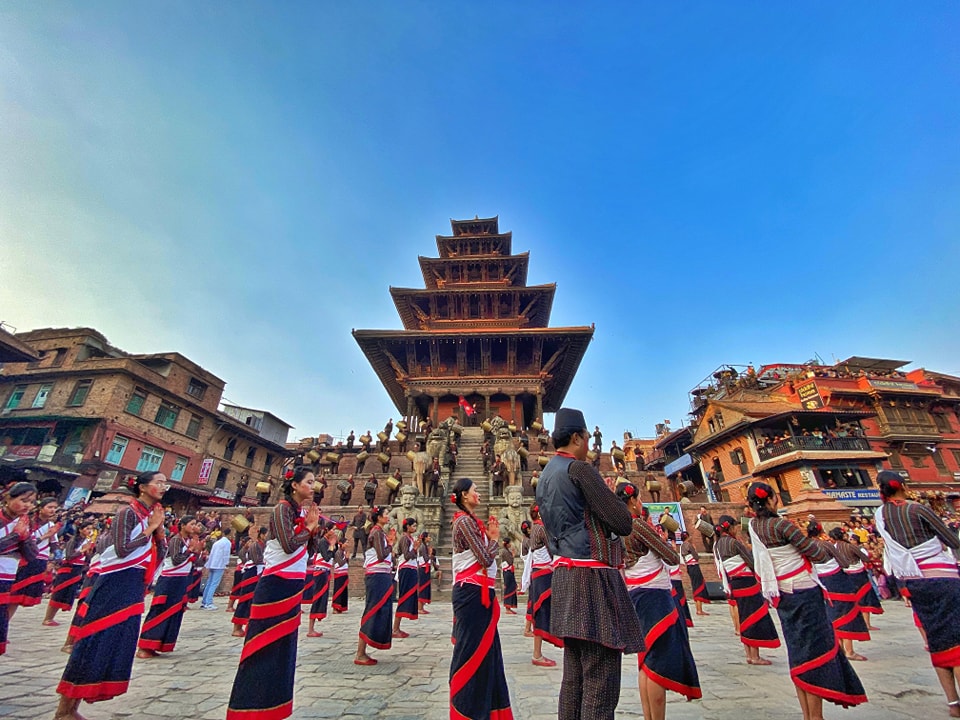
Kathmandu heritage site film permits are official papers given by the government of Nepal that allow professional camera crews to record at historic locations. These documents are needed for any documentary or movie project that takes place in protected areas like the old palace squares or ancient temples. Having these permits shows that your team is working legally and that you have promised to keep the old buildings safe while you work.
How to get Kathmandu heritage site film permits
We find that getting Kathmandu heritage site film permits involves a step-by-step process where we visit a few different government offices in the city. It is important to follow the correct order so that each office can see the approval from the one before it. We must have all our personal information and our film plan ready before we start so that the officers can understand our project clearly.
Starting with the Department of Archaeology
The Department of Archaeology is the first office we go to because they are the guardians of all ancient monuments in Nepal. They will look at your filming plan to make sure your cameras or lights will not hurt the fragile wood and stone of the old temples. This department cares a lot about keeping the buildings exactly as they were hundreds of years ago. Once they see that your project is safe for the monuments, they will give you a recommendation letter that acts as the key to getting the rest of your papers.
Visiting the Ministry of Information and Communication
After we have the letter from archaeology, we take our documents to the Ministry of Information and Communication to get the main national film permit. This is the most important paper that the police or site guards will ask to see when you are working on the street. This office will also verify that you are working with a local partner who can help you if there are any problems. They want to make sure that the story you are telling is fair and that you are following the media laws of the country.
Working with local city offices
The final part of getting Kathmandu heritage site film permits is talking to the local city managers in places like Bhaktapur or Patan. These local offices are in charge of the daily cleaning and the guards who work in the squares every day. They will ask for a small fee to help with the costs of looking after the area while your crew is there. Once you pay this fee, they will give you a final receipt or a badge that you must keep with you at all times. This makes sure that the local guards know you have permission to be there with your professional gear.
Calculating the Kathmandu Valley filming cost
Planning the Kathmandu Valley filming cost is a big part of the work for any documentary team using Kathmandu heritage site film permits. We see that the total price includes several different fees that are paid to both the central government and the local cities. It is a good idea to set aside extra money in your budget for things like the government worker who has to travel with your team.
Government permit and administrative fees
The first part of the Kathmandu Valley filming cost is the money we pay to the main government offices for the application. This fee covers the cost of checking your papers and printing your official filming badges. These prices are usually the same for every filmmaker and are paid at a bank in Kathmandu before you get your permit. It is helpful to keep these bank receipts in a safe place because you might need to show them later.
Site access and municipality charges
Every famous square or temple has its own daily fee that is part of the overall Kathmandu Valley filming cost. These charges are used by the local community to fix the old brick paths and keep the temples looking beautiful for the future. The cost can change depending on how many days you stay and how many people are in your crew. Some sites are more famous and might cost a bit more than the smaller temples hidden in the city.
Liaison officer and insurance expenses
The law says that we must pay for a government liaison officer to stay with our team and we must also buy insurance for everyone. The salary and the daily costs for this officer are a mandatory part of the Kathmandu Valley filming cost. This officer is there to help us follow the rules and to act as a bridge between the crew and the local people. We also have to show the government that our crew has health insurance so that the local hospitals are paid if anyone gets sick or hurt during the shoot.
Rules for using Kathmandu heritage site film permits
There are many strict rules we must follow once we have our Kathmandu heritage site film permits to make sure we do not upset the local culture or hurt the old buildings. These rules are in place because the heritage sites are very special to the people who live in Kathmandu. We must act as respectful guests while we are working with our cameras and microphones.
Protecting the old and fragile buildings
The temples and palaces in the heritage sites are hundreds of years old and they can break very easily if we are not careful. Our heritage site film permits say that we cannot lean our heavy equipment against the walls or move any of the ancient stones. We must also use lights that do not get too hot because high heat can damage the old wooden carvings or the paintings inside the temples. The site guards will watch our crew very closely to make sure we are being gentle with the monuments.
Respecting the local religious activities
Many of the heritage sites are active holy places where people go to pray every single day. We must be very quiet and respectful whenever a religious ceremony is happening near our filming spot. Our permits tell us that we should not film people while they are praying unless we have asked them first and they said it was okay. Some parts of the temples are so holy that cameras are never allowed inside, and we must respect these boundaries at all times.
Managing crowds and public safety
The heritage sites are always full of people who are walking to work or visiting with their families. We must make sure that our cameras and cables do not block the paths or make it hard for people to get to their homes. Our Kathmandu heritage site film permits do not give us the right to tell people to move or to stop them from walking through the square. We have to be patient and wait for the right moment to get our shots so that we do not bother the local community.
Technical details for documentary crews
Using heritage site film permits requires a good plan for how to handle your equipment and your local team. We have found that being organized before you arrive in Nepal makes the filming much easier and faster. It is important to know exactly what you are bringing so that the customs officers at the airport can help you correctly.
Working with a local production fixer
The law in Nepal says that foreign documentary makers must work with a local fixer or a registered agency to get their Kathmandu heritage site film permits. This person is a professional who knows how the government offices work and can help you fill out the forms in the local language. They are very helpful because they can talk to the site guards and explain what your crew is doing. Having a local partner makes sure that you do not have any misunderstandings with the local authorities.
Dealing with camera gear and customs
When we bring professional cameras and lenses into the city, we have to show our list of equipment to the officers at the airport. We must have the serial number for every piece of gear so that the government knows we are taking it back home with us. This is a very important rule that prevents people from selling expensive cameras inside the country without paying taxes.
Understanding drone and aerial rules
If we want to film from the sky, we have to follow extra rules that are not part of the basic Kathmandu heritage site film permits. Drones are mostly restricted in the city because they can be a safety risk or fly too close to private houses. We have to get special permission from the police and the aviation office before we can take a drone into a heritage site. This process takes more time and usually costs more money, so we must plan for this early in our project.
Frequently Asked Questions
How long does it take to get a permit?
It usually takes about 10 to 15 working days to get all the papers signed in Kathmandu. We suggest starting your application at least one month before you plan to start filming.
Do I need a separate permit for every square?
Yes, while the main government gives a general permit, you must pay a separate fee to each local city office like Patan or Bhaktapur. Each city has its own rules and its own managers.
Can I film on a tourist visa?
No, you cannot film professional documentaries on a tourist visa. You must apply for a filming visa after your government permit is approved.
What happens if I film without a permit?
The police or site guards will stop you and they might take away your camera or your memory cards. You will also have to pay a very large fine to get your equipment back.
Conclusion
Getting the Kathmandu heritage site film permits is the most important part of planning a successful documentary project in Nepal. By following the government’s rules and working with local experts, we can ensure that our filming is legal and respectful. This process helps protect the ancient history of the Kathmandu Valley while allowing us to share its beauty with the rest of the world. Ultimately, these permits make sure that the heritage sites stay safe for many more years to come.