I have watched a few Nepal heritage documentaries myself, and honestly, none of them fully show what Nepal really is. Nepal is not just Everest. It has old cities, ancient temples, real festivals, and communities that have lived the same way for 500 years. If you want to understand Nepal beyond the mountains, watching a Nepal heritage documentary is the best way to start. This article covers what these documentaries show, where they take you, and why they matter so much right now.
What Do Nepal Heritage Documentaries Actually Cover?
Most people expect mountain footage. But a Nepal heritage documentary covers much more than that. It covers old kingdoms, temple rituals, living traditions, and people whose families have been doing the same thing for hundreds of years.
The Three Old Cities Inside Kathmandu Valley
The Kathmandu Valley has three old cities. Each one is different from the other.
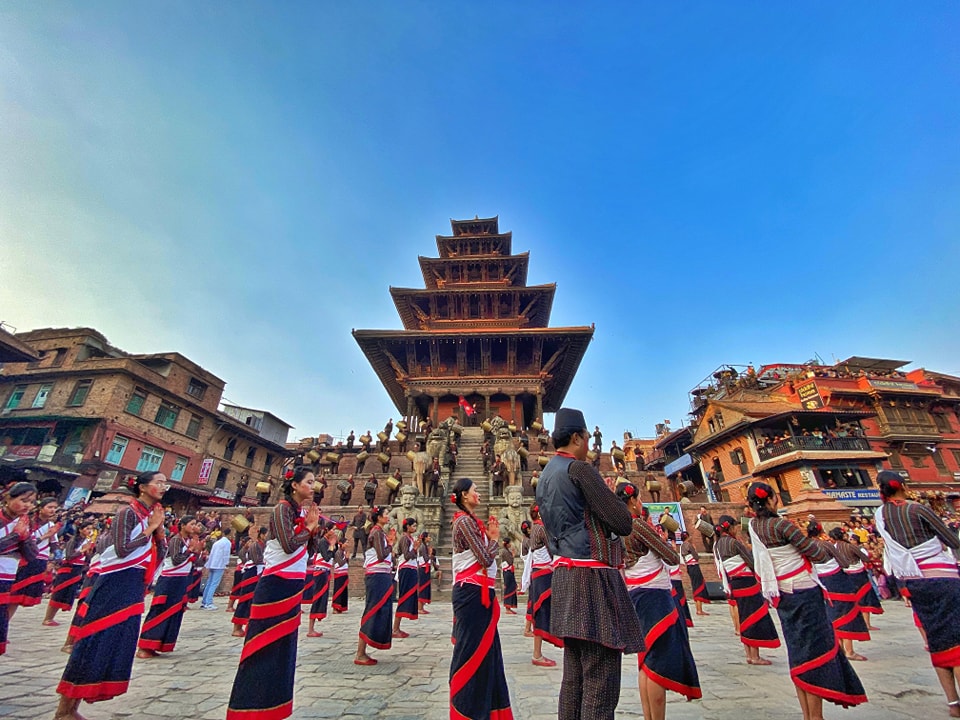
- Bhaktapur is the most preserved of the three. The streets are brick. The doorways are hand-carved wood. Potters still work in the same square their grandparents worked in. You walk in and it genuinely feels like the 15th century.
- Patan is where metalwork came from. Craftsmen here still make bronze statues the same old way. Small workshops run from family homes. You can hear the hammering from the street.
- Kathmandu has Pashupatinath Temple on the Bagmati River. Priests perform morning rituals there every single day. These rituals have not changed in centuries. Filming this one spot alone gives any documentary real depth.
These three cities together hold more history per square kilometer than almost anywhere else in Asia.
Why Festivals Are a Big Part of These Films
Nepal has festivals that happen nowhere else on earth. Any good Nepal heritage documentary will spend real time on them.
- Indra Jatra happens in Kathmandu every September. A big wooden pole goes up in Durbar Square. Masked dancers perform old stories in the street. The living goddess Kumari rides through the city in a chariot.
- Bisket Jatra in Bhaktapur marks the Nepali New Year. Two groups from opposite ends of the city pull a chariot in opposite directions. This tradition goes back hundreds of years.
- Gai Jatra is the festival where grieving families walk a cow through city streets to honor someone they lost that year. It is quiet, emotional, and deeply personal.
These are not tourist shows. These families do this every year. They did it last year. They will do it next year. That is what makes them worth filming.
The Living Goddess Kumari Tradition
This is one of the most unique traditions in the world. A young girl from the Newari community is selected to be the living goddess. She lives in a special palace in Kathmandu. She is worshipped by both Hindus and Buddhists. When she reaches puberty, a new Kumari is chosen.
This tradition has continued for centuries without stopping. No other country has anything like it. Every Nepal heritage documentary that covers Kathmandu mentions it, and rightfully so.
Where Do Nepal Heritage Documentaries Take You Outside Kathmandu?
The Kathmandu Valley is only one part of the story. A complete Nepal heritage documentary also travels to places most visitors never reach.
Upper Mustang, the Last Forbidden Kingdom
Upper Mustang was closed to outsiders until 1992. Even now, you need a special permit to enter. When documentary crews started going in, they found something extraordinary.
Lo Manthang is the walled capital of Upper Mustang. It sits at high altitude in a dry, windswept landscape that looks more like Tibet than Nepal. Inside the walls:
- The king of Mustang still lives there
- Ancient cave monasteries hold 500-year-old murals
- Tibetan Buddhist manuscripts are stored in monastery libraries
- Old men still wear traditional clothing from the Tibetan-influenced culture
A Nepal heritage documentary that includes Mustang is covering a place that very few people will ever see in person. That alone makes it worth watching.
Sherpa Culture in the Khumbu Region
People know Sherpas because of Everest. But Sherpa culture is much older and deeper than mountaineering.
Tengboche Monastery stands at 3,800 meters with Ama Dablam directly behind it. The Mani Rimdu festival here brings monks together for three days of masked dancing and Buddhist prayer rituals. This has happened every year for generations.
Small villages like Thame and Khumjung still have:
- Their own language spoken daily
- Monasteries that are hundreds of years old
- Traditional food, music, and community practices
- A form of Buddhism unique to this specific region
A documentary crew that walks into these villages captures something that Kathmandu cannot give them.
The Old Salt Trade Routes of Northern Nepal
Before any roads existed, traders carried Tibetan salt down through Nepal and into India on foot. These mountain routes passed through remote villages, river valleys, and high passes.
Some of these routes are still used today. Yak herders still move between highland pastures. Small trading towns that grew up along these paths centuries ago are still standing. A Nepal heritage documentary that follows even a part of one of these routes gives viewers a real sense of how this country was connected to the wider world long before tourism ever existed.
Why Making and Watching These Documentaries Matters Right Now
The 2015 earthquake hit Nepal hard. Dharahara tower fell completely. Parts of Bhaktapur and Patan that had stood for 500 years came down in seconds. Some of what was destroyed cannot be rebuilt.
That changed the way filmmakers think about Nepal. You cannot wait. If you do not film it now, it might be gone.
There are also traditions that are quietly fading out. The number of people who still carve traditional Newari peacock windows is very small now. Thangka painters who use only natural pigments are getting harder to find. Some ritual music forms are kept alive by just a few families.
A Nepal heritage documentary made today is not just entertainment. It is a record of things that exist right now but may not exist the same way 20 years from now. That is a real and serious reason to support this kind of filmmaking.
Frequently Asked Questions
What exactly is a Nepal heritage documentary?
It is a documentary film or series that covers Nepal’s historical sites, old traditions, living festivals, ancient architecture, and ethnic communities. It goes beyond travel footage and focuses on the culture and history that make Nepal different from anywhere else.
Where can I watch a Nepal heritage documentary?
YouTube has many free options. Netflix and Amazon Prime carry some international productions on Nepal. Searching for Nepal culture film or Kathmandu heritage documentary will also bring up results on both platforms.
Why does Bhaktapur appear in almost every Nepal heritage film?
Bhaktapur has the best-preserved medieval architecture in Nepal. The streets, temples, and squares still look close to how they looked during the Malla period. The living culture inside that architecture is still very active, which makes it ideal for documentary filmmaking.
Is Upper Mustang hard to film in?
Yes. A special restricted area permit is required and it costs more than a regular trekking permit. The altitude is high and the terrain is remote. But the footage that comes out of Mustang looks unlike anything filmed anywhere else in Nepal.
How long does it take to film a proper Nepal heritage documentary?
Covering just the Kathmandu Valley properly takes at least four to six weeks. Adding regions like Mustang, Khumbu, or Dolpo can stretch the production to six months or more. Some areas are only reachable during specific seasons, which adds to the timeline.
What languages do Nepal heritage documentaries use?
International productions are usually narrated in English. Local Nepali productions use Nepali. Some specialized films also use community languages like Newari, Tibetan, or Sherpa dialects when they focus on specific ethnic groups.
Conclusion
Nepal has more history in one valley than most countries have across their entire territory. A Nepal heritage documentary gives you access to that history in a way that reading about it never does. You see the temples. You hear the festivals. You watch craftsmen do work their families have done for generations. Whether you want to make a documentary or just watch one, Nepal gives you more material than you can cover in a lifetime. Start with the Kathmandu Valley., then go to Mustang. Then follow the old salt routes north. Every Nepal heritage documentary you watch will show you a different piece of the same extraordinary country.