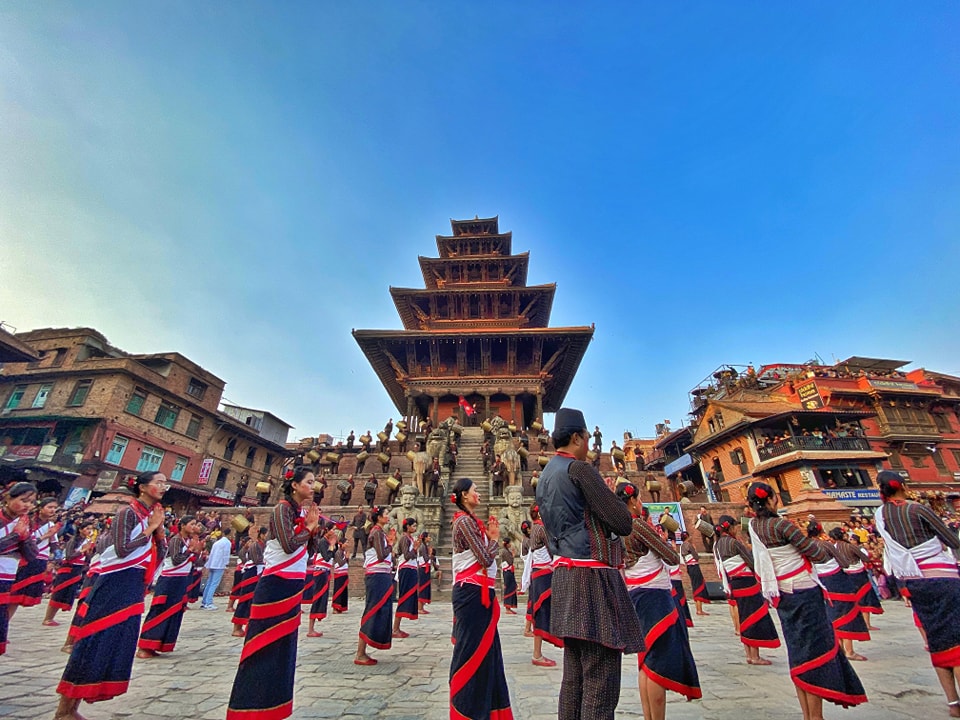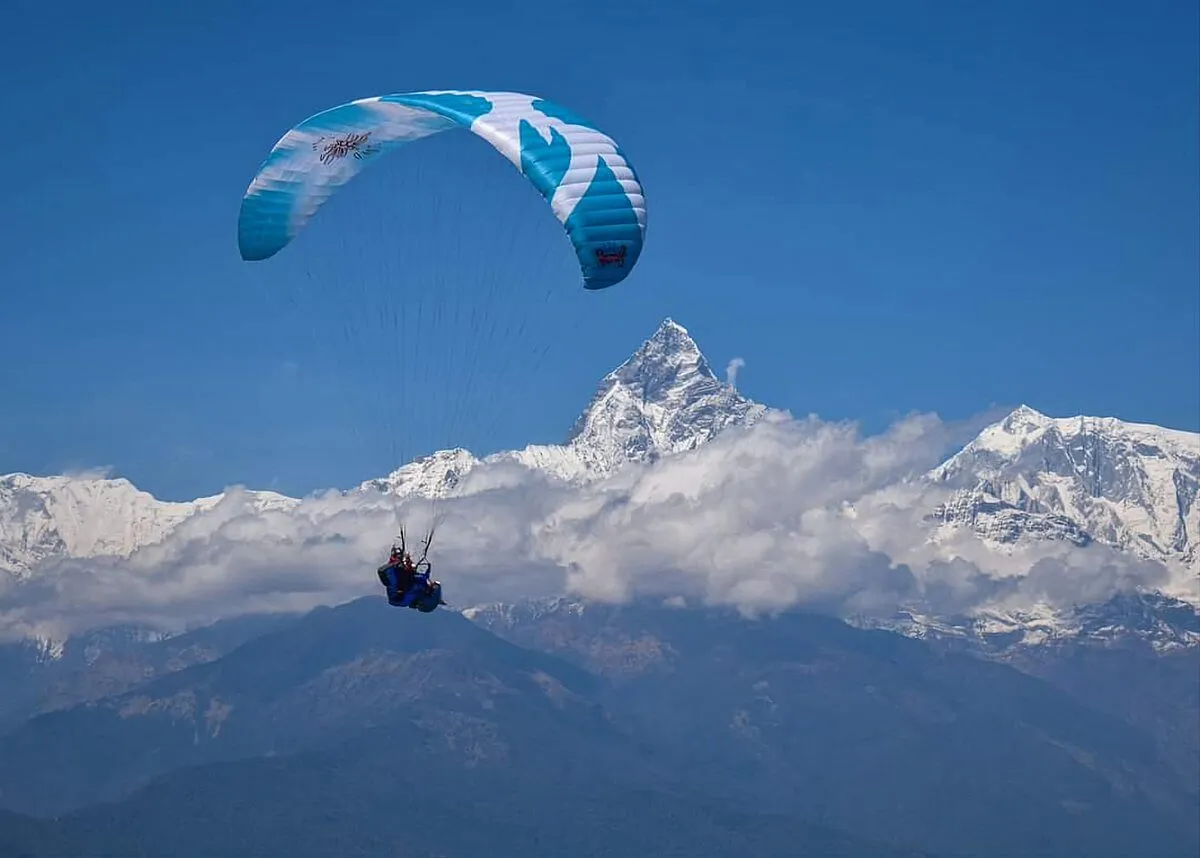
Nepal is a place where stories never end. There is always something deep and real going on, from the quiet villages in the hills to the busy streets of Kathmandu. People from other countries have been coming here for a long time to film our mountains. But things are different now. Filmmakers in the area are picking up cameras to tell their own stories. The rise of the Nepali short documentary is giving people who live these stories every day a chance to speak out. This shift helps the world see the true heart of the Himalayas through local eyes.
Why the Nepali short documentary is growing so fast
The Nepali short documentary is growing because it’s easier to tell stories. Making a movie used to cost a lot of money and take a lot of people. A person with a good camera and a strong idea can make something beautiful today. This has made it possible for independent artists to share their opinions without having to work in a big studio.
Several factors have helped this growth:
- Digital cameras and drones are now much cheaper for local artists.
- YouTube and Vimeo are examples of online platforms that let movies reach a global audience right away.
- Nepal’s film festivals now show more short films made by local filmmakers.
- People really want real stories that show real life instead of just postcards.
Key themes found in a Nepali short documentary
Every Nepali short documentary usually focuses on themes that are close to our culture and environment. These films do not just show the beauty of the landscape. They also show the struggles and the joy of the people. Filmmakers often pick topics that highlight the unique parts of living in a country with such diverse geography and traditions.
1. Mountain life and Sherpa culture
A lot of movies show what it’s really like to live in high-altitude areas. These stories often go beyond the climbing aspect. They show how families live every day, how kids learn in remote areas, and how people feel spiritually connected to the peaks. This kind of Nepali documentary shows how strong you have to be to live in the mountains.
2. Vanishing traditions and heritage
Nepal has a lot of culture, but some of its old ways are slowly disappearing. Filmmakers use short documentaries to record these things before they go away. This could be anything from old songs to traditional pottery to unique ways of farming. Filming these moments helps keep our history alive for future generations.
3. Social issues and modern changes
As Nepal changes, new stories emerge. Some films focus on how technology is reaching far away villages. Others look at social issues like migration or the role of women in society. These films are important because they start conversations about the future of our country. A well made short documentary of Nepal can be a tool for positive change.
How to create a powerful Nepali short documentary
Creating a documentary in Nepal requires a mix of passion and careful planning. Because the terrain can be difficult, you need to be ready for anything. The best films are usually the ones where the filmmaker spent a lot of time with the subject. Trust is the most important part of the process.
To make a great film, consider these steps:
- Look for a character or story that is different from the ones you have heard before.
- If you’re filming in high-altitude areas, make sure to plan your logistics well.
- Use good sound equipment because clear voices are important for telling stories.
- Pay attention to the little things that make a person or place seem real to the viewer.
- Don’t make the editing too complicated, and give the story room to breathe.
The role of film festivals in supporting local films
Film festivals are a big part of what makes the Nepali short documentary scene work. The Kathmandu International Mountain Film Festival and other events give artists a chance to show their work on a big screen. This lets filmmakers meet other artists and learn from what they’ve been through.
These festivals are more than just movie screenings. They also hold workshops on making movies and documentaries in the mountains. For a young filmmaker, winning an award or getting a standing ovation for their short documentary can be the start of a great career. It gives them the courage to keep telling important stories.
Frequently Asked Questions
What is the typical length of a Nepali short documentary?
Most short documentaries from Nepal are between 10 and 30 minutes long. This length is perfect for sharing on social media or showing at festivals. It allows the filmmaker to focus on one specific topic without losing the attention of the audience.
Do I need a permit to film a documentary in Nepal?
Yes, you usually need permission to film in national parks, historic sites, or some remote areas. If you’re making a short documentary for work, it’s always a good idea to check with the local government or the film development board first.
Where can I watch a Nepali short documentary for free?
Many independent filmmakers share their work on platforms like YouTube. You can search for local production houses or specific film festival channels. This is a great way to support local artists and see the amazing work being done in the country.
What gear is best for high altitude filming in Nepal?
Lightweight gear is the best choice because you often have to carry it on long treks. Many professionals use mirrorless cameras with good stabilization. For a Nepali short documentary shot in the mountains, extra batteries and weather proof bags are also essential.
Conclusion
The world of the Nepali short documentary is full of potential and heart. These films are more than just entertainment. They are a mirror of our society and a bridge to the rest of the world. By telling our own stories, we ensure that our culture and our struggles are seen accurately. Whether it is a story about a mountain guide or a city artist, each Nepali short documentary adds a new layer to our national identity. Supporting local filmmakers means supporting the truth of our land.