Introduction
Nepal’s breathtaking landscapes, rich cultural heritage, and compelling human stories make it a premier destination for documentary filmmakers to showcase and portray art and talent. However, Nepal is the best destination to shoot any documentary, depending on heritage sites and natural beauty. Ensuring physical, logistical, and ethical safety cast is paramount for a successful production.
Overview of General Safety for Foreign Filmmakers
Crime and Individual Safety Cast
For most foreigners, Nepal is safe also violent crime is rare. However, small-time offenses like pickpocketing and scams aimed at tourists can happen, especially in packed areas like the Kathmandu Valley or Pokhara.
- Low Violent Crime: Although Nepal has a rather low violent crime rate directed against foreigners, situational awareness is still absolutely essential for documentary filmmakers. The Buddhist and Hindu cultures of Nepal mostly non-violence, which helps to create generally safe conditions. In crowded or metropolitan areas, criminals could target and divert foreigners. So, Foreign crews should be careful in the dark in poorly lit areas. Filmmakers should register with their embassy upon arrival and keep local contacts on speed dial. Basic precautions like traveling in pairs at night and using safe hotels can reduce many threats. The welcoming nature of Nepali people generally ensures a safe filming environment when common sense precautions are followed.
- Petty Theft: Petty theft is the primary security concern for documentary crews in Nepal. It depends upon the place and the incident can take place anytime anywhere. Filmmakers should always lock equipment, steer clear of flashy gear displays, and use anti-theft bags. Though rare, most incidents involve opportunistic snatching related to violent theft. Always keep visual contact with tools; also, think about hiring local security for valuable equipment.
Scams aimed at visitors still cause constant problems for Nepal. Among the common schemes are tour operators providing unrealistically priced trekking packages, fake government officials demanding permit fees, and taxi drivers refusing to use meters. Documentary teams should always confirm guide credentials, book travel through hotel-recommended services, and cross-reference permit requirements with official tourism offices. Establishing relationships with confirmed agencies before arrival and following advice from other filmmakers helps crews completely avoid these typical annoyances.
Political Stability and Civil Unrest
Nepal’s political situation is very unstable. There can be many situations where political situations could badly affect the shoot. Occasional strikes, political demonstrations, and protests can disrupt filmmakers on the idea they are trying to execute. This occasionally happens in major places in Kathmandu.
Avoid Demonstrations: Political demonstrations in Nepal, while typically peaceful, can unexpectedly escalate and should be avoided by foreign film crews. Usually, during political anniversaries or controversial legislative periods, these meetings take place around government buildings, colleges, and main crossings in Kathmandu. Production teams should track local English-language news sources to help to reduce risks. Maintaining contact with trustworthy local fixers offers real-time updates on protest sites and safe substitutes. Film crews can safely negotiate Nepal’s political terrain by keeping informed through several channels and maintaining flexible shooting schedules, so safeguarding their team and equipment.
Transport disruptions in Nepal, especially during political strikes, can greatly affect road travel while usually leaving domestic flights unharmed. With protestors blocking main highways and urban thoroughfares using burning tires and physical barriers, these strikes sometimes cause total road closures. Given that airlines usually keep normal operations, film crews should prioritize domestic air travel between main hubs like Kathmandu, Pokhara, and Lukla. Keeping in touch with local fixers becomes essential since they can offer real-time information on several travel paths and choices.
Natural Disaster Preparedness: Though an abundance of tourists are attracted to Nepal everyday with its beauty and cultural sites. There are high chances of uncertainty in various parts of Nepal. Nepal is prone to earthquakes, landslides, and seasonal floods that require contingency planning.
Earthquake Risk: Nepal sits in a high seismic zone, making earthquake preparedness essential for film crews. Kathmandu Valley’s dense urban infrastructure remains particularly vulnerable to seismic activity. Filmmakers are required to maintain a stocked emergency kit with water, first aid supplies, and portable chargers and Familiarize themselves with hotel or accommodation safety protocols. Simple precautions like avoiding heavy equipment placement near windows can prevent injuries during tremors.
Particularly along mountainous highways and rural roads, Nepal’s monsoon season, June-September, brings torrential rain that causes dangerous landslides. These natural disasters can quickly isolate whole areas, cutting off day’s worth of emergency access and transportation. Film crews should avoid remote area shoots during peak rainfall periods, as landslides frequently block vital routes like the Prithvi Highway and Annapurna circuit roads. Even in urban areas, heavy downpours cause severe flooding that disrupts local infrastructure. Essential precautions include hiring experienced drivers familiar with monsoon road conditions, carrying satellite communication devices when traveling to rural locations, and building flexible schedules that account for weather delays.
Health and Altitude Safety Cast
High-Altitude Filming Risks
Filming at high-altitude locations above 3,000 meters, including Everest, Annapurna, and Mustang regions, requires a lot of safety and carefulness to prevent acute mountain sickness. Symptoms typically begin with headaches, nausea, and fatigue. To mitigate these risks, crews should follow a gradual profile, gaining no more than 300 meters in elevation per day once above 3,000 meters. Maintaining strict hydration of at least 4 liters of water daily and carrying portable oxygen cans for emergencies are among the basic preventive steps. Teams should monitor every member for indications of altitude sickness; knowledge of this helps one to understand that symptoms usually show six to twelve hours after changing elevation. Pre-trip fitness training helps but does not prevent AMS, only proper ascent rates and awareness can ensure safe high-altitude filmmaking in Nepal’s majestic but demanding mountain environments.
Food, Water, and Disease Risks
Maintaining proper food and water safety is crucial for documentary crews working in Nepal to avoid preventable illnesses that could disturb their production schedules. Only consume bottled or properly filtered water. When dining out, look for the restaurants where food is freshly prepared. Filmmakers should be particularly cautious with raw foods. Before traveling, ensure your vaccinations are up-to-date, including essential immunizations like Hepatitis A and Typhoid for nationwide protection. Crews filming and working in rural areas during monsoon season should consider this. These basic precautions significantly reduce the risk of waterborne diseases and food poisoning. By following these guidelines while being mindful of local food preparation practices, film crews can maintain their health and keep production on track in Nepal’s challenging environments.
Remote Filming Safety Protocols
Assential Precautions
Taking necessary care while filming in isolated areas of Nepal might make all the difference between a smooth operation and a logistical disaster. Not only is hiring seasoned local guides or fixers beneficial, but it also helps negotiate permit requirements, overcome language barriers, and manage unanticipated crises. These professionals serve as cultural liaisons. Since cellular networks disappear in mountainous areas, crews must carry satellite communication devices like Garmin in Reach to maintain emergency contact capabilities. Verify that your production insurance includes high-altitude medical evacuation before departure, as specialized rescue coverage is essential when working above 3,000 meters. These precautions form the foundation of responsible remote filming in Nepal’s challenging terrain. And professional support systems and proper equipment can prevent minor issues from becoming major emergencies.
Transportation Risks
Managing Nepal’s difficult terrain calls for careful travel planning to guarantee crew safety and production effectiveness. Particularly on Nepal’s twisting mountain roads, where poorly maintained vehicles and dangerous driving conditions cause regular accidents, road travel carries more hazards. Steer clear of overnight bus travel in poor vision and tiredness. Always think about vehicles with seasoned local drivers when heading into rural regions. Budget for professional drivers; consider frequent weather-related delays; keep in mind that what looks like a small distance on a map could need a difficult 8-hour trip across Nepal’s mountainous terrain. These logistical expenditures pay off in crew safety, equipment protection, and, finally, the success of your documentary project in these stunning but challenging locations.
Ethical and Cultural Filming Safety Cast
Respecting Local Norms and value the Indigenous culture
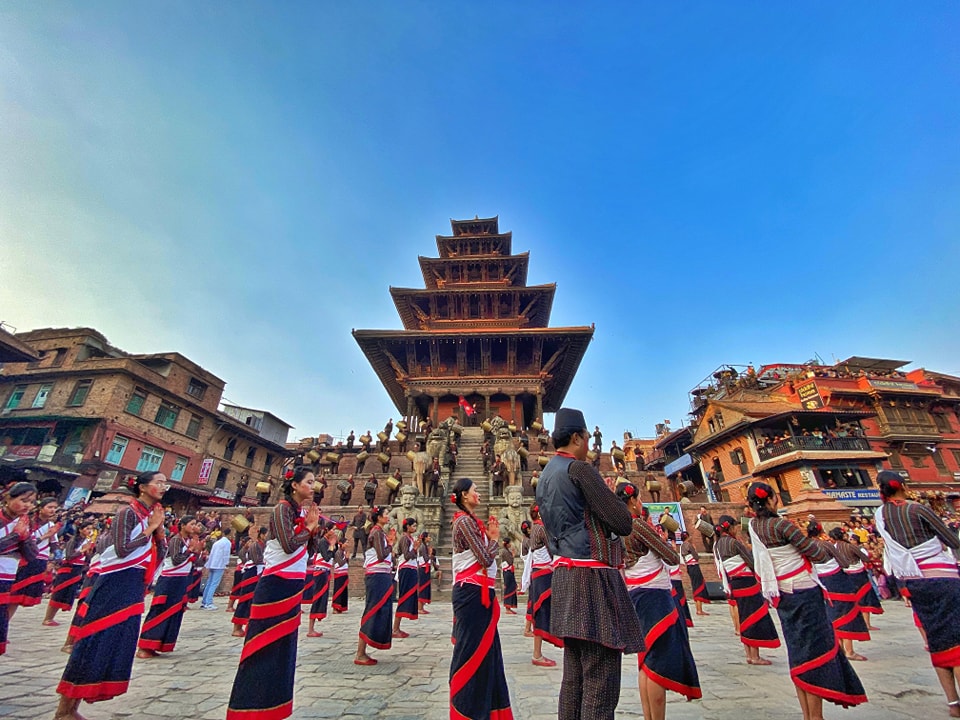
When filming in Nepal, respecting local cultural and religious norms is essential for both ethical filmmaking and maintaining positive community relations. Sacred sites always seek explicit permission from authorities before filming. There are many places where filmmakers should wear appropriate attire which demonstrates respect and connectivity. Certain shrines may prohibit menstruating women or non-Hindus from entering, so research each location’s specific protocols in advance. When filming religious ceremonies, maintain a discreet distance unless invited to participate, and never disrupt rituals for the sake of a shot. By honoring these traditions, filmmakers not only avoid causing offense but often gain greater access and more authentic storytelling opportunities through demonstrated cultural sensitivity.
Sensitive Storytelling
When addressing delicate human rights subjects like trafficking or LGBTQ+ concerns in Nepal, ethical filmmaking methods take the front stage. Filmmakers should form alliances with respected local NGOs who can provide vital background and enable moral access. These groups guarantee subjects fully understand how their stories will be used and help negotiate difficult power relations. Filmmakers should concentrate on creating craft stories that highlight systematic problems while yet maintaining dignity. Pay particular attention to safety protocols. By prioritizing various ethical considerations, filmmakers protect vulnerable subjects and produce more authentic work that fosters lasting trust with Nepali communities. The foundation for any meaningful documentary collaboration in this complex cultural landscape.
Final Safety Guide for Filmmakers
Final Professional Checklist for Nepalese Documentary Filmmakers
1. Legal Compliance
- To prevent delays, secure all necessary permits, NFDB general filming clearance, tourism department approvals for protected areas, and CAAN authorization for drone operations.
2. Medical Readiness
- Get all advised vaccinations and carry altitude meds.
- Check travel insurance for coverage in high altitude crises and helicopter evacuation.
3. Policies for Equipment
- Full-value coverage guarantees all equipment against theft and damage.
- Use covert, anti-theft camera bags, and never leave tools unattended in cars.
4. Local Experience
- Handle permit navigation, translations, and crisis management with licensed fixers.
- For remote shots, hire mountain guides.
5. Emergency Get Readyness
- Create duplicate communication systems, including satellite phones.
- Program contingency contacts