Cultural documentary production in Nepal is the complete process of planning, recording, and editing factual videos about the historical groups and traditions living in this specific country. We approach this difficult work by securing official government filming papers and cooperating with native mountain communities to show their real, everyday habits. Our teams handle harsh weather, steep travel routes, and language differences to create an accurate visual record of ancient ways of life.
Core Logistics for Cultural Documentary Production in Nepal
Careful organization is the most important step for cultural documentary production. We must arrange reliable cars, safe sleeping spots, and flexible schedules to reach isolated farming towns across very steep hills.
Organizing Travel and Local Transport
Moving people and heavy boxes across this country takes a lot of time and patience. We use small airplanes to fly from the main city to mountain towns, but heavy clouds often cancel these flights without any warning. When flights stop, we rent strong local jeeps with drivers who know how to drive safely on rocky dirt roads. When the dirt roads finally end, we hire local farm workers to carry our heavy camera bags on their backs. Planning all these different types of travel requires our team to check maps and talk to drivers every single morning.
Finding Safe Places to Sleep
We sleep in simple village guest houses instead of building large outdoor camps. Staying inside these small local homes helps us build fast and honest trust with the specific families we want to film. We carry our own thick winter sleeping bags to stay warm because mountain houses do not have heating systems. We also bring strong water filters to clean the river water so our team does not get sick during the trip. Eating meals at the same table with our host families gives us a great chance to learn about their daily work before we turn on our cameras.
Dealing with Changing Mountain Weather
The weather in the mountains changes very fast from sunny to freezing cold in just one hour. We plan our main filming trips during the clear spring and autumn months to avoid the heavy summer rains. Summer rain turns the dirt mountain roads into deep mud, which stops all our jeeps from moving forward. Freezing winter months require us to wear special warm clothing and keep our camera batteries close to our bodies to stop them from dying. We check satellite weather maps on our computers every night so we are ready to cover our electronics with plastic if a sudden snowstorm starts.
Securing Permits for Cultural Documentary Production in Nepal
Handling official legal papers correctly is required for any cultural documentary production in Nepal. We visit several different government offices in the capital city to make sure we follow every single local law before we start working.
Applying for National Government Papers
Securing Nepal film permits is the very first legal step we take when we land in the country. The Ministry of Information and Communications gives the main legal paper that allows foreign teams to record video. We must hand them a detailed travel plan, a list of all our expensive tools, and a short summary of the video story. The government also requires us to pay a local official to travel with our team for the entire trip to watch our daily work.
Buying National Park Nature Passes
We must purchase extra entry tickets to record video inside protected forests and national nature parks. The nature department charges different amounts of money depending on how many workers we bring and what size cameras we use. We visit the Department of National Parks office in the capital city to buy these tickets before we drive to the mountains. If we try to record trees or wild animals without these specific nature tickets, the park police will stop us and take away our digital memory cards. We add these high park fees into our money plan many months before we arrive in the country.
Bringing Camera Gear Through Customs
We must sign a special temporary paper at the airport border control office when we bring expensive lenses into the country. This official paper proves to the government that we will take all our equipment back home when our project finishes. Doing this paperwork correctly stops the airport workers from charging us very high import taxes on our tools. We create a printed list that shows the exact serial number for every single camera, microphone, and battery in our bags. Missing just one small number on this official paper can trap our important gear inside the airport for an entire week.
Building a Team for Cultural Documentary Production in Nepal
Finding smart regional helpers guarantees the success of our cultural documentary production in Nepal. We hire experienced local fixers to solve sudden problems, translate languages, and keep our main camera crew safe in remote areas.
Hiring Good Local Translators
People living in different mountain valleys speak dozens of completely different languages and local dialects. We pay smart translators who were born in the exact same village we are visiting to make sure we understand every spoken word. This exact translation helps us record the true meaning behind old farming songs, religious stories, and long family interviews. Many older grandparents living in deep valleys cannot speak the main national language at all. Having a local person ask our questions makes the families feel calm and happy while they sit in front of the large glass lenses.
Following Honest Filming Rules
Good documentary filmmaking in Nepal requires us to show human subjects fairly without making anything look fake. We always ask the local village leaders for clear permission before we set up tripods to record private dances or daily cooking routines. Respecting small local rules, like taking our dirty shoes off before walking inside a temple, builds deep respect with the entire community. We never ask normal people to act like actors or repeat their religious prayers just so we can get a better video shot. We simply sit quietly in the corner and record the true facts of their normal daily lives.
Keeping the Camera Crew Healthy
We watch all our team members very closely for dangerous altitude sickness when we walk higher than three thousand meters. We carry large medical bags and emergency oxygen bottles and keep a direct radio link to call rescue helicopters if someone gets badly hurt. Eating only well-cooked local food and drinking properly boiled water prevents bad stomach illnesses that can stop our entire work schedule. We require every single worker to pass a doctor check before they fly to the mountains. Being very healthy and strong is necessary because carrying heavy metal tripods up steep stone steps is physically exhausting.
Selecting Gear for Cultural Documentary Production in Nepal
Picking the correct recording tools makes cultural documentary production in Nepal much easier. We bring strong cameras, wind microphones, and extra storage drives because small farm towns do not have computer repair shops.
Using Strong Cameras and Lenses
We select tough camera bodies that completely block the dust, strong wind, and wet fog found high in the Himalayan mountains. Using internal zoom lenses lets us change our picture frame without taking the lens off, which keeps the inside of the camera perfectly clean. We also attach thick dark glass filters to our lenses to lower the extreme brightness of the afternoon mountain sun. Carrying light carbon fiber tripods instead of heavy metal ones makes the long walking days much easier for our carrying team. We leave massive cinema rigs at home because giant machines often scare normal people in quiet farming towns.
Recording Clear Sound Outside
We cover our long microphones with thick fake fur to record clean talking voices even when heavy winds blow through the river valleys. Small wireless microphones are carefully hidden under the clothing of the people we film to catch real working sounds while they farm. We always connect these microphones to strong audio recording boxes with giant batteries so we never miss important talking moments. Wind noise is the single biggest problem when working in high places, so our sound worker listens very carefully with large, heavy headphones. Capturing crystal-clear sound is just as important as recording a sharp and colorful video picture.
Saving Video Files Safely Every Night
We pack wide solar charging panels and huge power boxes to charge our camera batteries without needing normal wall plugs. Many isolated farming villages do not have electricity, or the power lines stop working for many hours every single day. We copy all our new digital video files every evening onto thick computer hard drives kept inside waterproof plastic cases. We assign one specific team member the single job of checking these file copies to make sure no data is missing. Losing a full day of video files because of a flat battery or a broken hard drive is a terrible and expensive mistake.
Exploring Locations for Cultural Documentary Production in Nepal
Choosing the right land area directs the story for our cultural documentary production in Nepal. We study geographical maps carefully to match our historical focus with the correct native group living in that specific region.
Filming in the Kathmandu City Area
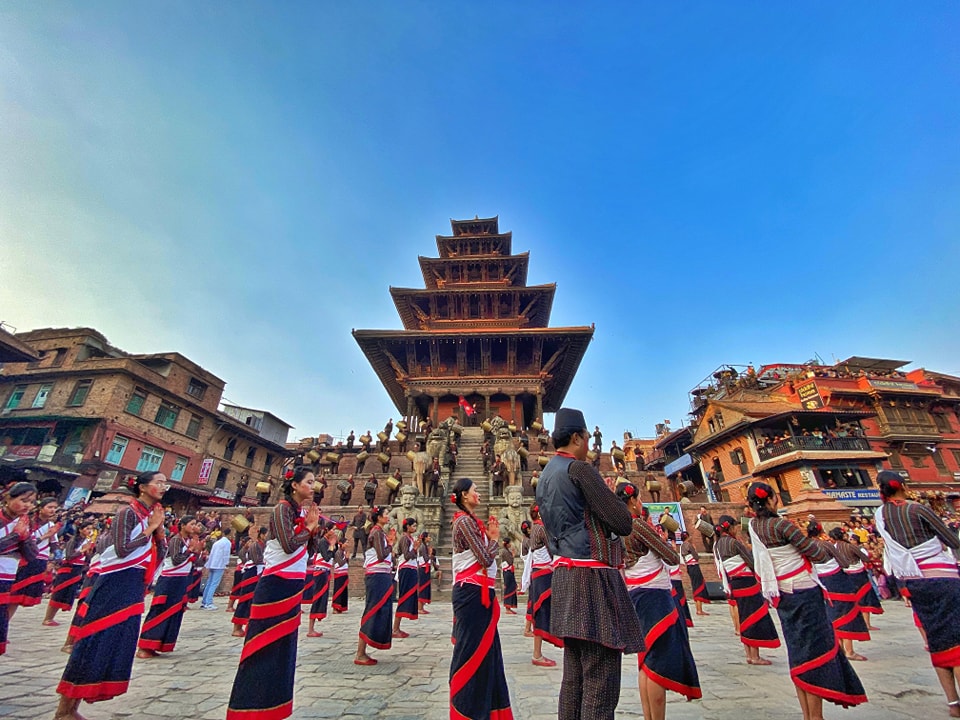
The main capital city contains deep historical brick buildings, ancient wooden temples, and very loud street festivals. We record the native Newar people and their traditional metal art, clay pot making, and complex daily temple habits. Working inside the city means managing huge crowds of people and walking through very narrow streets shared with heavy rolling carts. The loud traffic noises make recording clean voice audio very difficult during the middle of the afternoon. We choose to film very early in the morning to catch quiet temple activities before hundreds of cars fill the small roads.
Working in the High Himalayan Mountains
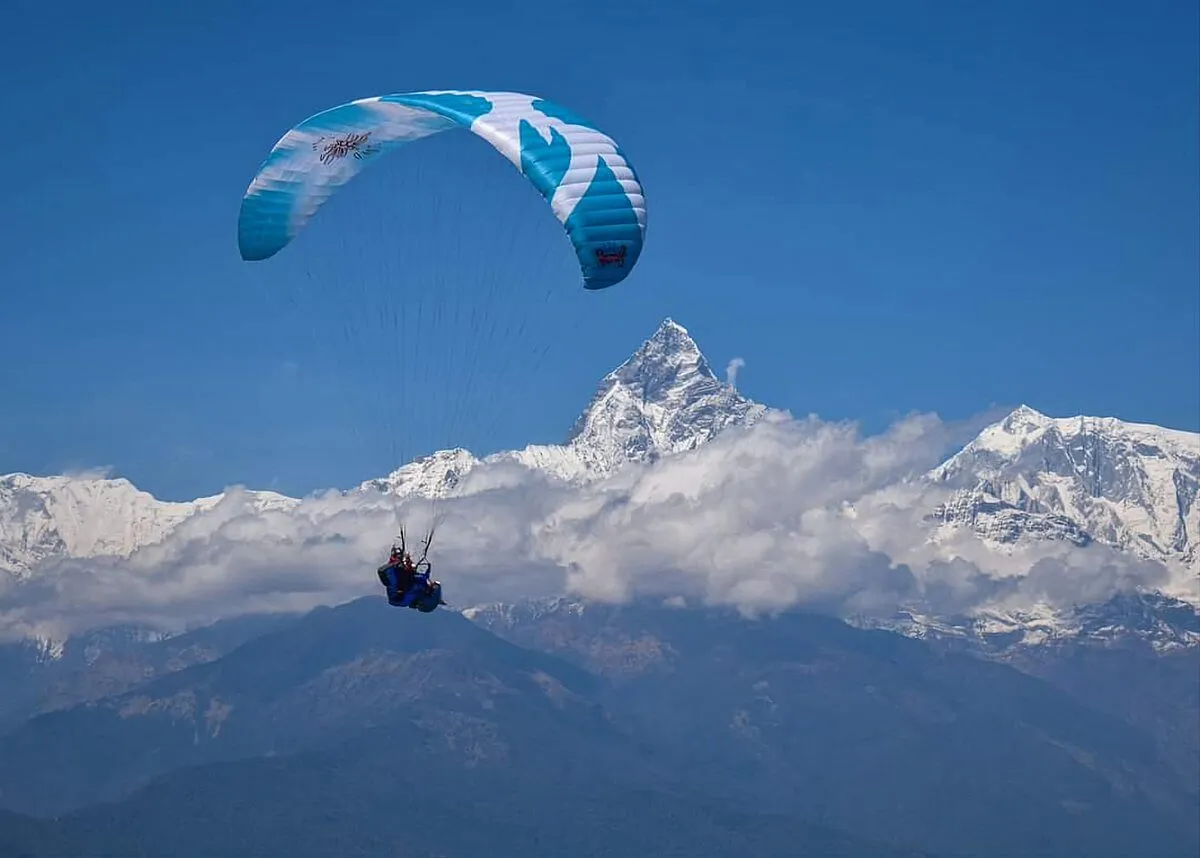
We walk for many days to reach high places like the Mustang area to record the Sherpa and Tibetan farming communities. The visual background in this region features giant white snow peaks, deep dry river beds, and lonely houses made of flat stones. The very thin air and freezing temperatures make this the most difficult physical test for our entire camera crew. We force ourselves to walk very slowly to prevent extreme body tiredness and dangerous mountain sickness. The daily life here focuses entirely on old Buddhist temple traditions and the physically hard work of growing crops in rocky dirt.
Recording in the Flat Southern Lands
The flat land in the far south has a hot and wet tropical climate that is completely different from the freezing northern mountains. We record the native Tharu people, who are famous for building unique mud houses, painting bright wall art, and catching river fish. Working here means sweating heavily in the high summer heat and walking carefully through thick green jungles near wild rhinos and tigers. We must wrap our glass lenses in dry cloths to protect them from the extreme wet air that causes water drops inside the camera. The visual story in this southern area focuses on cutting tall rice plants, driving farm animals, and loud group dancing in the evenings.
Managing the Budget for Cultural Documentary Production in Nepal
Careful financial tracking keeps our cultural documentary production in Nepal moving forward without sudden delays. We count our daily costs using the local Nepalese rupee while keeping a thick pile of emergency cash hidden for sudden bad weather problems.
Paying Local Workers Fair Wages
We pay our local guides, jeep drivers, and carrying staff a fixed daily amount based on their physical skills and experience. Workers who carry our heavy metal boxes on steep, icy paths receive extra bonus money and proper medical insurance for their dangerous work. Providing fair pay guarantees that our local crew will work extremely hard and remain happy for the entire length of the trip. We write down all the payment rules clearly on a piece of paper before we ever leave the main capital city. This honest communication prevents any bad arguments about money while we are standing together on a freezing, windy mountain pass.
Saving Money for Jeep and Flight Travel
We reserve a large amount of money for heavy mountain jeep rentals, which cost significantly more than normal city taxis because the roads destroy the cars. The prices for small airplane tickets change depending on the busy tourist season, and the airlines charge heavy fees for our heavy camera bags. We pay early for expensive rescue helicopter insurance to completely cover any major medical emergencies far away from city hospitals. Moving our heavy tools and our team members across the rough country is always the second biggest cost after paying our workers’ daily wages. We track these travel prices every single week because gas costs rise frequently.
Planning Cash for Daily Food Needs
We plan out the daily cash needed for the team to buy big plates of hot rice and secure beds in small wooden mountain teahouses. The price of very simple food like rice, dry beans, and clean bottled water jumps very high as we walk higher up into the remote mountains. Buying large heavy sacks of dry food in the capital city helps us keep our overall food costs low before we start driving. We also save extra money strictly for clean drinking water, which is highly needed by our walking team in the thin, dry mountain air. Feeding every single worker healthy food keeps the entire team smiling during fourteen-hour work days.
Frequently Asked Questions
What is the processing time for a national film permit?
The standard processing time takes two to three full weeks after handing all the correct papers to the government office. We advise starting this official paper process one full month early to handle any slow office delays.
Are drones legally allowed for filming in the mountains?
Yes, flying a drone is possible, but it requires completely separate legal papers from the Civil Aviation Authority and the local town police boss. Verify before publishing: Current drone weight restrictions and specific restricted flight zones.
How do crews communicate without cell phone service?
We rent strong satellite phones in the main city before leaving for deep mountain valleys where normal cell phones stop working. This guarantees we always have a direct voice line to call rescue helicopters during a sudden medical emergency.
Conclusion
Running a highly accurate cultural documentary production in Nepal requires following all government laws perfectly, planning rough travel carefully, and showing deep human respect to the native groups. We capture high-quality factual videos by cooperating closely with smart regional experts and keeping our daily mountain schedules very flexible to handle bad weather. By following these tested steps, professional video teams can safely record and preserve the deep historical traditions living across this beautiful country.