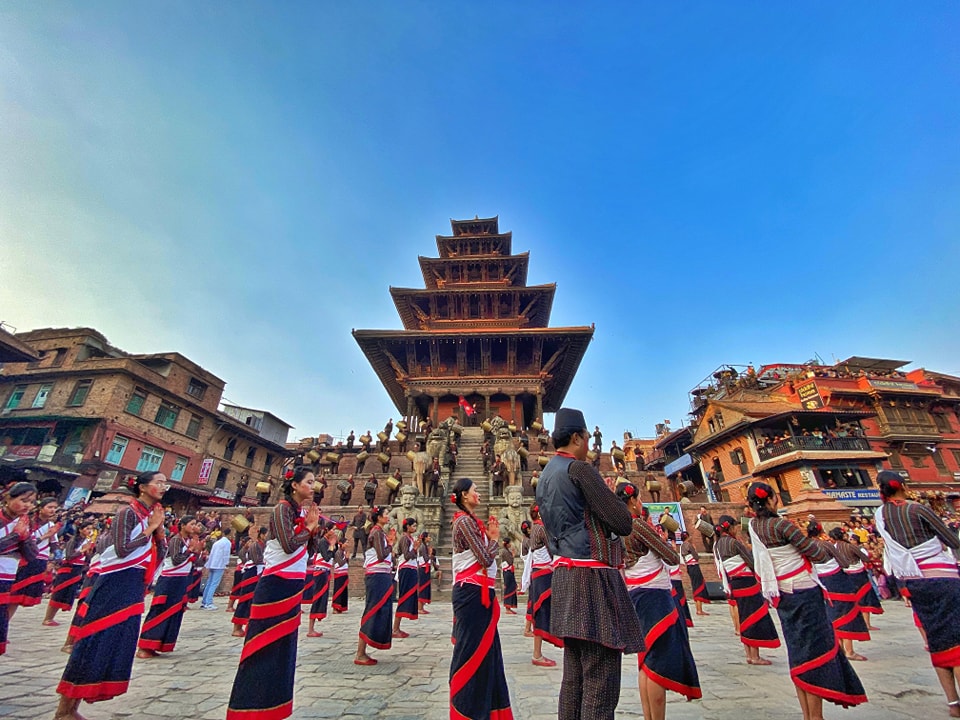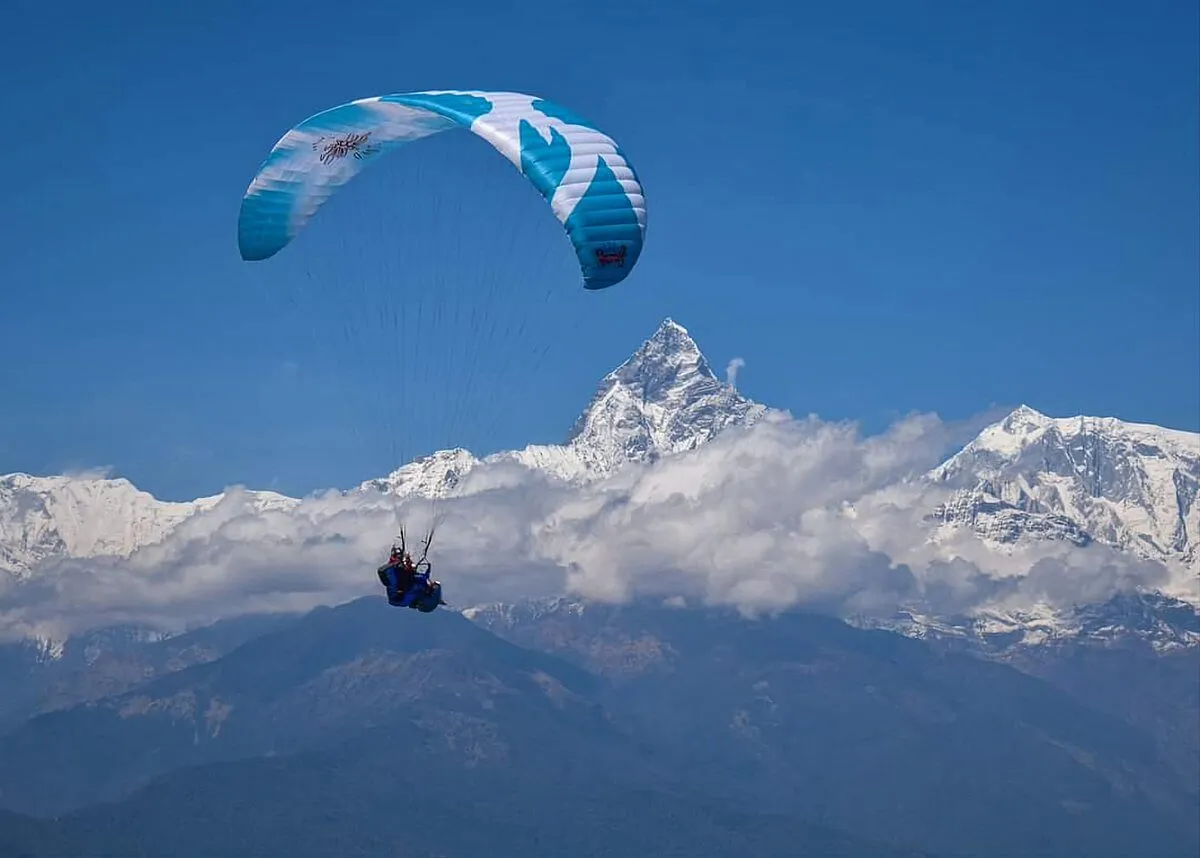
The Himalayas are more than just giant peaks of ice and snow. They are home to ancient cultures, brave people, and stories that have never been told. For many years, people only saw the mountains through a visitor’s lens. Now, a Himalayan documentary film can show the true heart of these regions. This kind of film captures the real struggle and beauty of life in high places. Whether it is about a climbing guide or a village ritual, these stories help us understand our connection to nature.
Why Himalayan Stories are now Popular
Himalayan stories move people because they show human resilience in the toughest conditions on Earth. These films explore the deep bond between the people and the land. They offer a rare look at lives that are hidden from the modern world. People today want to see authentic experiences that feel real and honest.
Watching a story from the mountains helps viewers connect with a different way of life. These films are popular because:
- They highlight the unique traditions of ethnic groups like the Sherpas and Tamangs.
- The films show how people survive and thrive in extreme cold.
- Viewers get to see the impact of climate change on glaciers first hand.
- The visuals of the high peaks provide a sense of wonder and peace.
The growth of the Himalayan documentary film industry is driven by local filmmakers. They know the culture and the language. This allows them to tell stories that a stranger might miss. When a story comes from within the community, it has a special kind of power. It is not just about the mountains but about the soul of the people living there.
How Filmmakers Capture Life at High Altitude
Capturing a Himalayan documentary film requires intense preparation and the right tools. Filmmakers must deal with freezing temperatures that can kill camera batteries in minutes. They also have to carry heavy equipment up steep trails where the air is very thin. Every step is a challenge when you are filming at five thousand meters.
Physical fitness is just as important as technical skill in this field. A small crew usually works best because they can move faster and stay in local homes. Most creators focus on building a relationship with the subjects before they even turn on the camera. This makes the final film feel much more natural and personal.
1. Using professional gear in cold weather
Filmmakers use specialized batteries and insulated bags to keep their cameras working. They often choose mirrorless systems because they are lighter to carry during long treks. Since there is often no electricity in remote areas, carrying solar chargers is a common practice. Keeping the gear dry during rain or snow is a constant struggle for the crew.
2. Managing mountain logistics with local crews
Success depends on local knowledge. Porters and guides help carry gear and find the best spots for filming. They understand the weather patterns and know which paths are safe. Without their help, reaching remote villages would be nearly impossible for a film crew. Working with a local team also helps the filmmaker connect better with the villagers.
When to plan your Himalayan documentary film project
The best time to make a Himalayan documentary film is during the spring or autumn seasons. In the spring, from March to May, the weather is warmer and the flowers are in bloom. This is great for showing life returning to the valleys. The light is soft and beautiful for interviews and nature shots.
The autumn season from September to November offers the clearest skies for big mountain shots. This is when the air is crisp and you can see the peaks for miles. Most filmmakers prefer this time for high altitude cinematography. It is the peak season for trekking, so there are many stories happening on the trails.
Winter is very difficult because many passes are closed by heavy snow. The summer monsoon brings heavy rain and clouds that hide the peaks from view. Planning your schedule around the weather is the most important part of the production process. If you miss the right window of time, you might have to wait six months to try again.
What is the main goal of a Himalayan documentary film?
The main goal is to document the reality of life in the mountains. This includes the culture, the environment, and the challenges faced by local communities. These films aim to educate the world while preserving traditions that might be changing due to modern influence.
How is a Himalayan documentary film different from a climbing movie?
A climbing movie usually focuses on the thrill of reaching the summit. A documentary film focuses more on the people, the history, and the daily life around the mountains. It looks at the spiritual and social side of the region rather than just the sport of climbing.
What is a good theme for a Himalayan documentary film?
A great theme could be the impact of tourism on a small village. Another popular topic is the life of women in remote mountain areas. You could also focus on traditional medicine or how local festivals are celebrated. Any story that shows a unique part of Himalayan life can make a strong film.
Is it expensive to make a film in the Himalayas?
It can be expensive because of the travel and logistics. You have to pay for permits, guides, and porters. However, with new technology, small teams can make high quality films on a lower budget than before. The biggest cost is usually the time and effort it takes to reach the locations.
Conclusion
The world of the Himalayan documentary film is growing every day. These films are more than just entertainment. They are a mirror of a society that is both ancient and changing. By telling these stories, filmmakers ensure that the voices of the mountains are heard far and wide. Each Himalayan documentary film adds a new layer to our understanding of human survival and spirit. Supporting local creators helps keep these stories authentic and powerful.